How to Plan Your Pakistan Packing List
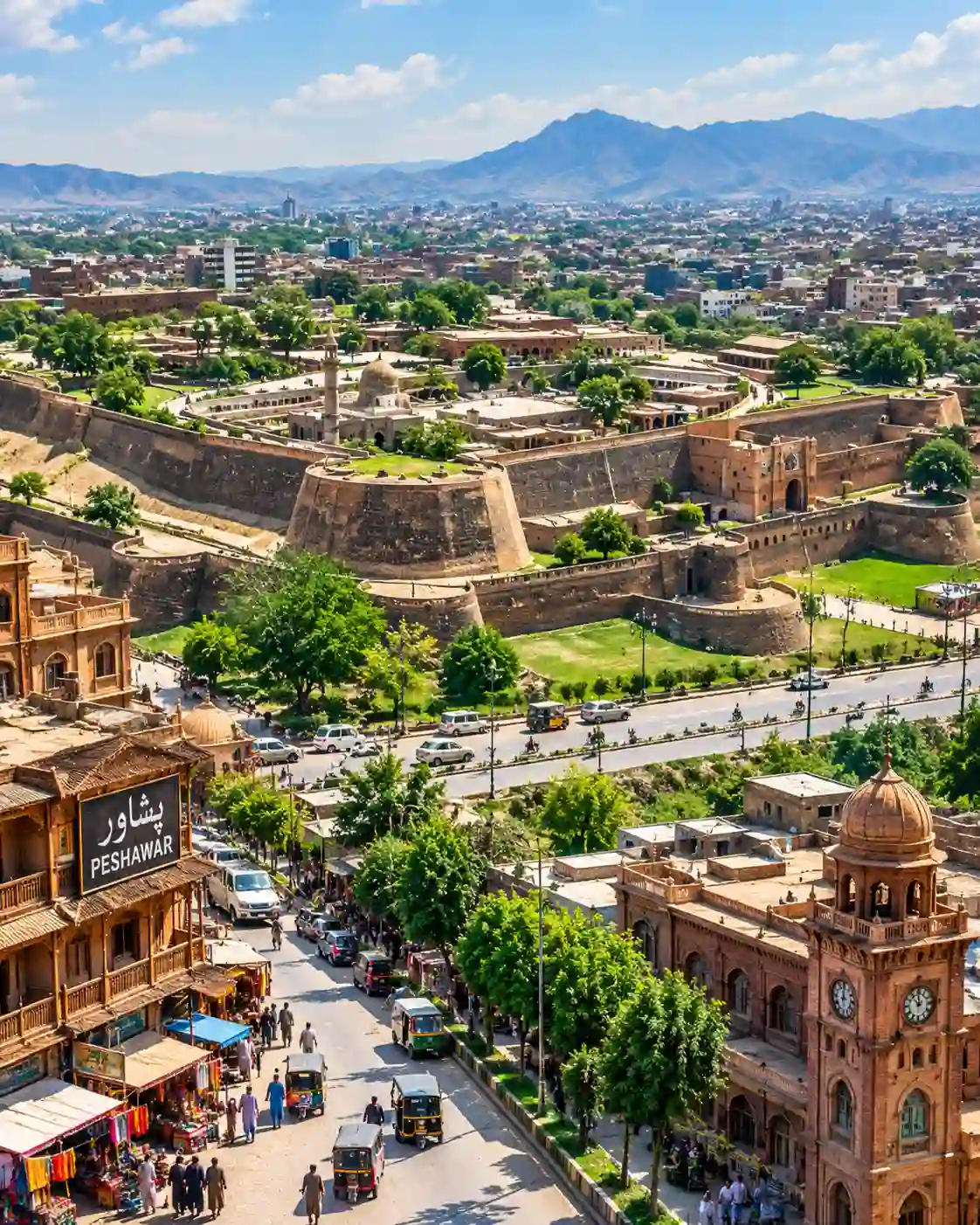
Pakistan has a wide range of climates and landscapes. A trip through Lahore or Karachi can call for breathable clothing, while northern mountain destinations may require warm layers even when the plains are hot. Your route, travel dates, elevation, trip length and planned activities should determine what goes in your bag.
Start with versatile basics, check the forecast close to departure and build your list around the activities you have planned. If you will travel between regions, use layers rather than packing a separate outfit for every possible temperature.
Before you zip your bag
Check airline baggage limits, your accommodation’s laundry options, current travel advice and weather for each stop—not only the first city on your itinerary.
Clothing and Footwear
Breathable, Modest Layers
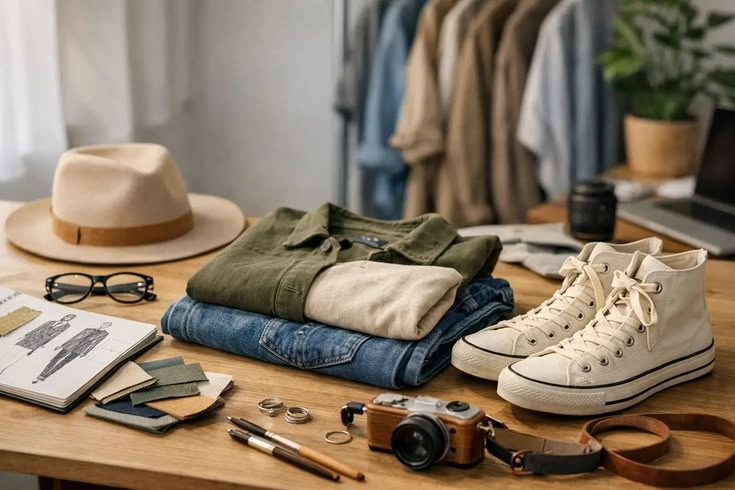
Pack comfortable shirts, trousers or long skirts, underwear, sleepwear and socks. Lightweight long sleeves can help with sun exposure and are useful for visits to religious or traditional settings. A scarf or shawl is versatile for warmth and added coverage.

Comfortable Walking Shoes
Bring broken-in walking shoes for cities and sightseeing, plus sandals or easy slip-on shoes where useful. For trekking, choose suitable hiking footwear and socks; do not rely on casual trainers for demanding mountain trails.
For mosques and heritage sites
Choose clothing that covers shoulders and knees. Some sites require shoes to be removed; easy-to-remove footwear and clean socks are practical.
For summer
Prioritise breathable fabrics, a sun hat, sunglasses and clothing that protects your skin from strong sun.
For winter
Use layers that can be added or removed and confirm whether your destination has reliable indoor heating.
Documents, Money and Important Items
Keep essential documents protected and accessible. Requirements vary by nationality, route and purpose of travel, so verify current entry and permit rules with official sources before departure.
- Passport and any required visa or entry documentation.
- Copies of important documents stored separately from the originals.
- Flight, hotel and transport confirmations, plus key contact details.
- Travel insurance details and emergency contacts.
- Driving licence and any required international permit if you plan to drive.
- Bank cards and a sensible amount of local cash in small denominations.
- Student, professional or other identification if relevant to your plans.
Carry a small document pouch
Keep originals secure, carry only what you need for the day and store digital copies in a protected account or device. Do not rely on a phone alone for every important document.
Health, Toiletries and Personal Care
Pack personal items you know work for you, especially if you have sensitive skin or specific health needs. Availability and brand names can differ between destinations and remote areas may have fewer shopping options.
- Prescription medicines in original packaging, with relevant prescriptions or supporting documentation.
- A small first-aid kit with plasters, blister care and any familiar non-prescription essentials.
- Hand sanitiser, tissues and personal hygiene products.
- Sunscreen, lip balm and insect repellent suitable for your activities.
- Toothbrush, toothpaste, deodorant and travel-size toiletries.
- Reusable water bottle, if appropriate for your route and water-treatment plan.
- Glasses, contact lenses and spare supplies if needed.
For prescription medicines, check rules for carrying them across borders and keep them in hand luggage when appropriate. Ask a qualified healthcare professional about destination-specific vaccinations, prevention and personal medical precautions.
Electronics and Useful Travel Accessories
Power and charging
Pack your phone charger, a suitable travel adapter, charging cables and a power bank that meets airline rules. Check plug compatibility and the capacity limits for batteries before flying.
Navigation and connectivity
Download offline maps, keep important bookings accessible offline and consider a local SIM or roaming plan. Network coverage can be limited in remote valleys and mountain areas.
Photos and protection
Bring camera batteries or storage cards if needed and protect electronics from dust, rain and sudden temperature changes. Ask permission before photographing people or sensitive sites.
Useful extras can include a compact daypack, reusable shopping bag, earplugs, sleep mask, luggage tag and a small lock. Choose accessories based on your itinerary rather than packing every possible gadget.
What to Pack for Northern Areas and Trekking
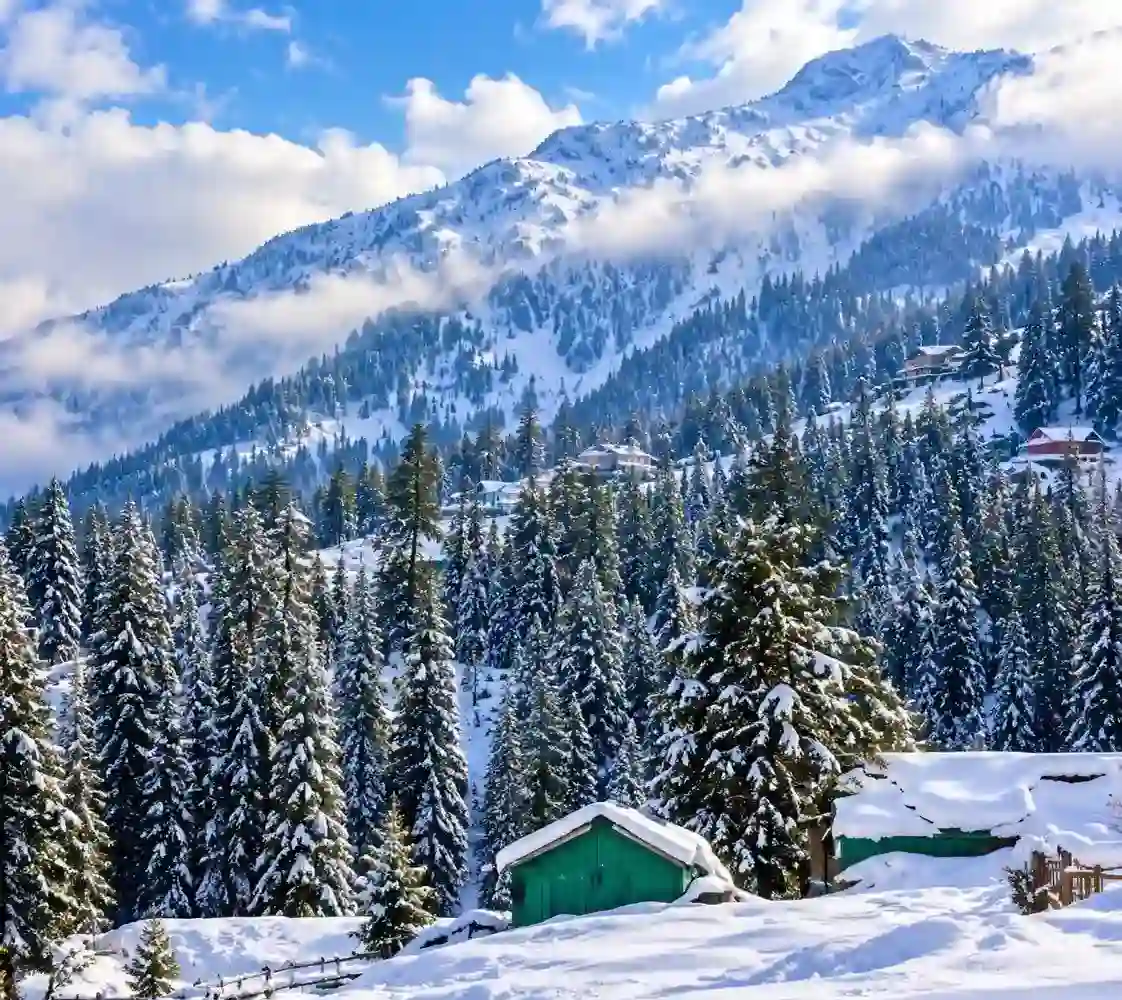
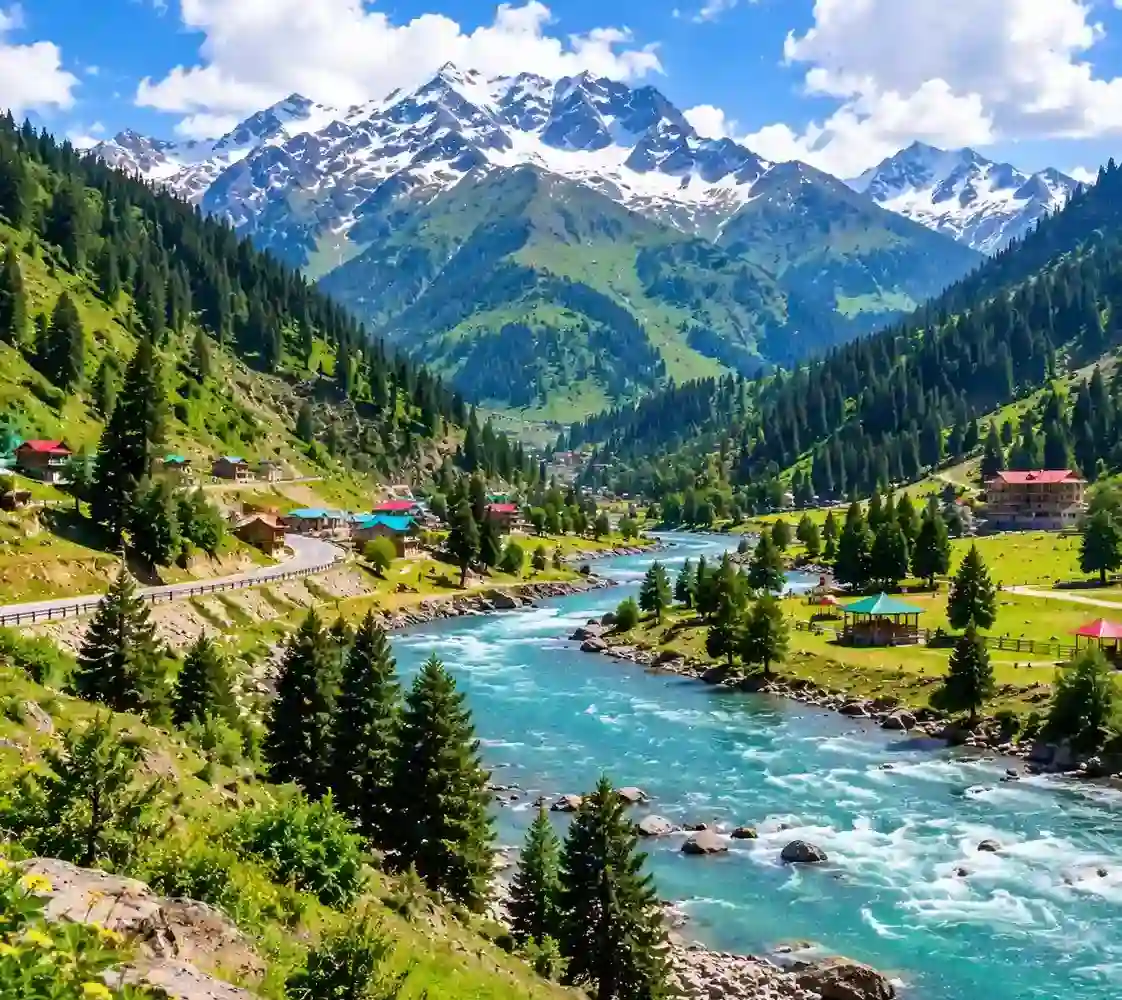
Trips to places such as Hunza, Skardu, Fairy Meadows or other mountain destinations require more careful planning than a city break. Conditions change with elevation, season and route; a sunny afternoon at one stop does not guarantee similar conditions higher up.
- Insulating mid-layer and a weather-resistant outer shell.
- Sturdy, broken-in hiking footwear suitable for the planned trail.
- Warm hat, gloves and spare socks when conditions call for them.
- Sun protection, including sunglasses and high-protection sunscreen.
- Headlamp or torch, spare power and offline navigation.
- Water and food appropriate for the route, plus a way to treat water if needed.
- Personal medication and a first-aid kit appropriate to the activity.
For remote or high-altitude routes, ask a knowledgeable local operator about required equipment, guides, permits and current conditions. Do not treat this general checklist as a substitute for route-specific preparation.
Seasonal Packing: Adjust for Weather
Hot weather
Pack breathable clothes, sun protection, a refillable bottle and a light layer for air-conditioned spaces. Plan for heat when scheduling outdoor activities.
Monsoon and rainy periods
Consider a rain jacket, quick-drying clothing, water-resistant bag cover and footwear with good grip. Check local forecasts and transport updates before setting out.
Cold weather
Bring thermal base layers, insulating clothing, warm accessories and weather-appropriate shoes. Mountain destinations can be much colder than the plains.
Seasonal conditions vary substantially by region and year. Check forecasts for each destination shortly before travel and leave room in your plan for delays caused by weather.
What to Keep in Your Day Bag
Keep the items you may need during a day out separate from your main luggage. A practical day bag can contain:
- Water and a small snack.
- Phone, power bank and offline map access.
- Copy of identification and the accommodation address or contact.
- Cash, payment card and any transport tickets.
- Sunscreen, sunglasses and a light layer or compact rain shell.
- Personal medication, tissues and hand sanitiser.
Carry only what you need, keep valuables secure and follow local guidance about restricted items or sensitive locations.
What Not to Pack
Overpacking makes transfers and uneven streets harder. Before adding an item, consider whether you will use it, whether it can be obtained locally and whether it is allowed by your airline or destination rules.
- Too many outfits that cannot be mixed and matched.
- Brand-new shoes that have not been broken in.
- Large quantities of toiletries that can be bought at your destination.
- Unnecessary valuables or expensive jewellery.
- Restricted medicines, tools or other items without checking applicable rules.
- Bulky specialist outdoor gear if you have not confirmed whether rental is available and suitable.
Pack once, then edit
Lay everything out, remove duplicates and check your bag’s weight. Leave a little room for purchases and keep essentials you cannot easily replace close at hand.
Quick Pakistan Packing Checklist
Clothing
Everyday outfits, modest layers, underwear, sleepwear, comfortable shoes and weather-appropriate outerwear.
Documents
Passport, entry documents, bookings, insurance details, emergency contacts and protected copies.
Health
Personal medicines, toiletries, sunscreen, insect repellent and a compact first-aid kit.
Electronics
Phone, chargers, adapter, power bank and offline maps or travel documents.
Day bag
Water, cash, identification copy, medication, sun protection and a light layer.
Activity gear
Only the hiking, camping, beach or specialist equipment needed for your confirmed plans.
Frequently Asked Questions
What clothes should I wear in Pakistan?
Comfortable, breathable and relatively modest clothing is useful in many settings. Add warm layers for winter and mountain destinations and dress respectfully when visiting religious or cultural sites.
Do I need warm clothes in summer?
It depends on your route. Plains and coastal cities can be hot, while evenings and higher-altitude mountain areas may be cool. Check the forecast for every destination.
Should I bring medicine from home?
Bring any essential personal medicines and check rules for carrying them internationally. Ask a healthcare professional about your specific needs before departure.
What should I pack for northern Pakistan?
Plan for changing temperatures with layers, a weather-resistant jacket, suitable footwear and activity-specific equipment. Confirm conditions and gear requirements for your route.
Can I buy essentials in Pakistan?
Many everyday items are available in larger towns and cities, but choice may be limited in remote areas. Bring essential personal items and anything difficult to replace.
Useful Resources for Trip Planning
- Pakistan tourism information for general travel planning.
- UK FCDO Pakistan travel advice for current regional safety and travel guidance.
- IATA passenger guidance for information about restricted and dangerous goods when flying.
Entry rules, airline baggage limits, weather and local conditions can change. Verify current requirements with official sources and your transport providers before departure.