Historic Old City
Explore traditional streets, established bazaars, older houses, and landmarks that reveal the city's rich past.

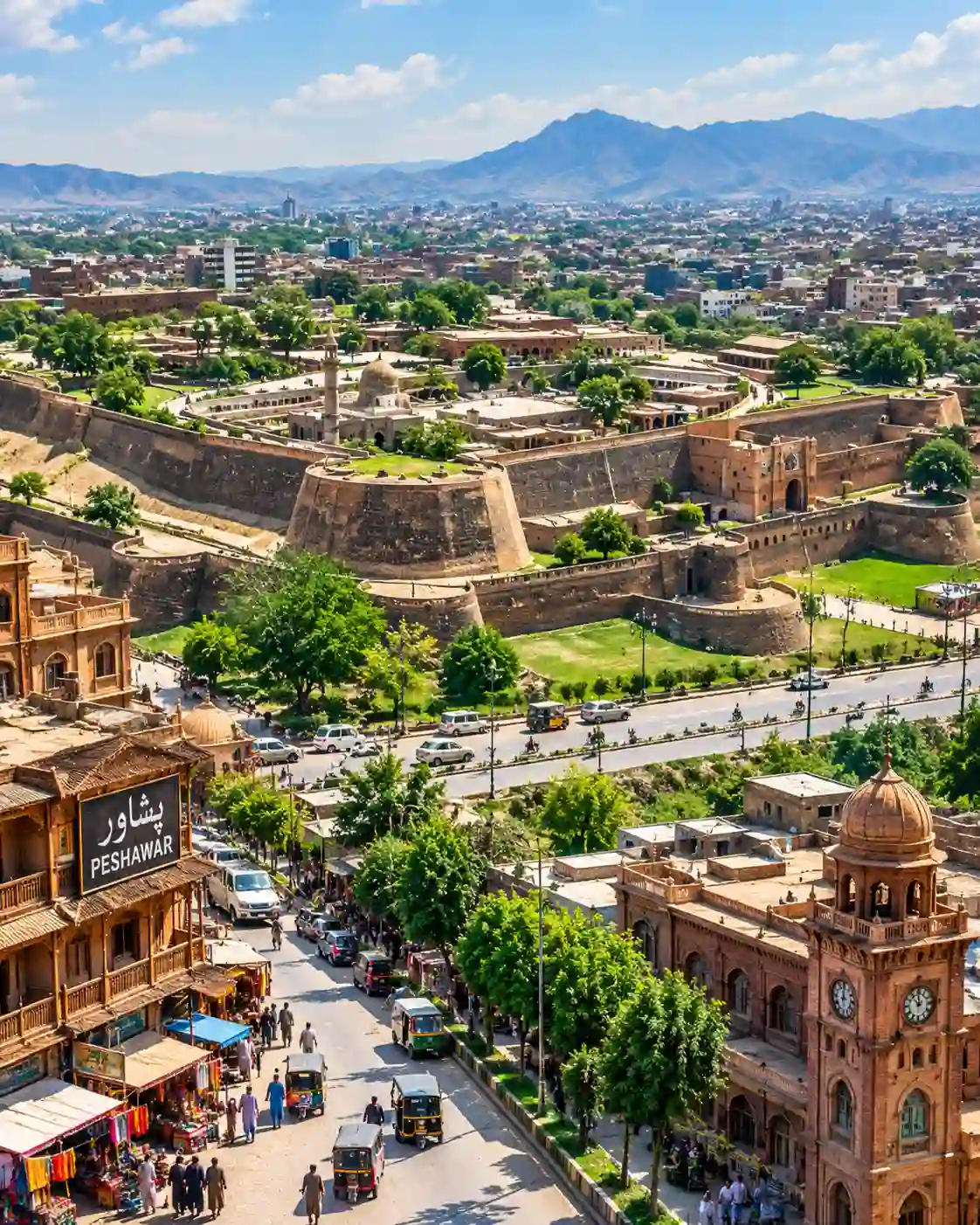
Khyber Pakhtunkhwa · Historic Frontier City
Explore centuries-old bazaars, distinctive architecture, Gandharan heritage, rich Pashtun traditions and the memorable flavours of one of Pakistan's historic cities.
A destination guide by Explore Pakistan
Get to Know Peshawar
Peshawar is the capital of Khyber Pakhtunkhwa and one of the region's best-known historic cities. Its story has been shaped by trade routes, migration, religious traditions, regional commerce and its location near important routes connecting South and Central Asia.
The old city is known for historic bazaars, traditional buildings, courtyards and important landmarks such as Mahabat Khan Mosque, Qissa Khwani Bazaar and Gor Khatri. The Peshawar Museum provides an opportunity to learn about Gandharan art and the wider region's archaeological past.
Food is another essential part of the experience. Peshawar is particularly associated with chapli kebab, traditional meat dishes, karahi, pulao and green tea. Exploring the city with curiosity and respect can reveal much more than its most famous monuments.
The Peshawar Experience
Peshawar combines historic architecture, traditional commercial streets, museum collections, regional cuisine and the living cultural traditions of Khyber Pakhtunkhwa.
Explore traditional streets, established bazaars, older houses, and landmarks that reveal the city's rich past.
Discover Mughal-era religious architecture, traditional courtyard houses and historic public buildings.
Learn about the region's archaeological past through museum collections and historical interpretation.
Experience lively markets, craft shops, traditional goods and the everyday commercial life of the old city.
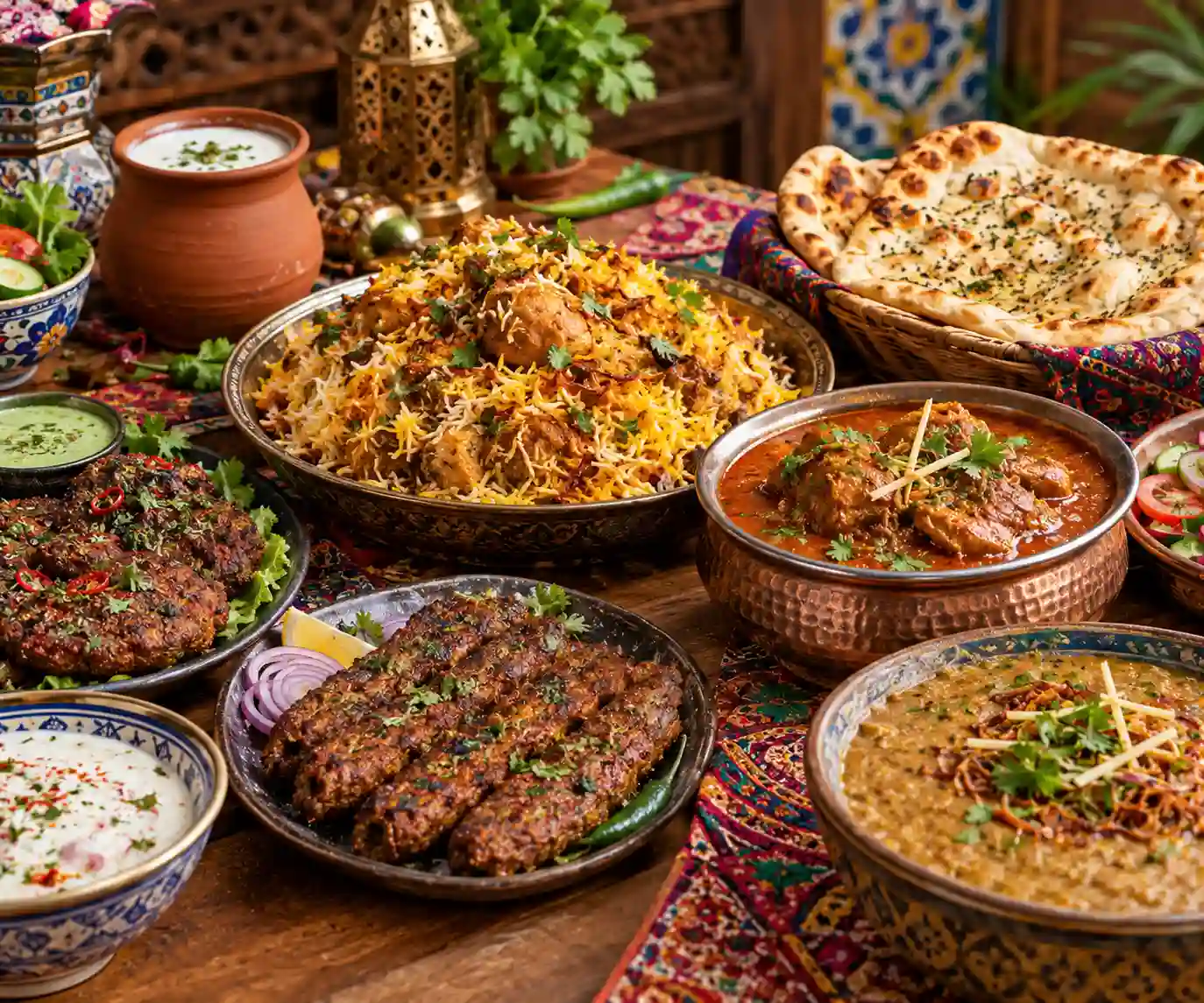
Explore chapli kebab, pulao, meat dishes, karahi, traditional breads and local green tea.
Discover regional languages, hospitality, traditional crafts, and cultural customs through respectful local experiences.
Explore the City
These attractions provide a starting point for exploring Peshawar's architecture, cultural heritage, markets and museum collections. Verify opening arrangements and any security or visitor restrictions before travelling to a site.
Located in the historic old city, Mahabat Khan Mosque is admired for its Mughal architecture, decorative details, open courtyard and prominent minarets. It is an important cultural and religious landmark. Visitors should dress respectfully and follow local mosque etiquette.
Known as the storytellers' bazaar, Qissa Khwani is one of Peshawar's most recognisable historic market areas. Explore its traditional streets, shops, local food options and busy commercial atmosphere. Expect crowds and allow time to walk through the area carefully.
Peshawar Museum is especially known for its Gandharan art collection, including historic sculptures connected with the wider region. It provides valuable context for understanding the area's artistic, cultural and religious history. Check the museum's current opening hours before visiting.
Gor Khatri is a historic complex associated with different periods of Peshawar's past. Its archaeological significance and architectural setting make it a useful stop for visitors interested in the city's layered history. Verify current visitor access locally.
Sethi House is associated with the historic merchant families of Peshawar and features traditional architecture, detailed woodwork and interior courtyards. It offers a closer look at the city's historic domestic architecture. Confirm opening arrangements before your visit.
Bala Hisar Fort is a major historic landmark with a long and complex history. It remains associated with official security functions, so public access may be restricted. Do not assume entry is permitted; verify authorisation through official local channels before planning a visit.
This renowned educational institution is noted for its distinctive historic architecture and place in the educational history of the region. Visitors should check whether entry is permitted, follow campus rules and avoid disrupting academic activity.
Commonly called Ghanta Ghar, the clock tower is a familiar landmark within the city's historic commercial area. It can be included in a walking route through nearby market streets where access and local conditions permit.
Chowk Yadgar is a recognised public landmark within Peshawar's historic urban fabric. A visit may offer insight into the city's public spaces and surrounding commercial districts. Check local conditions and be mindful of busy traffic.
Namak Mandi is associated with Peshawar's traditional dining scene, particularly grilled meat dishes and regional flavours. Explore available restaurants, check current opening times, and ask about ingredients if you have dietary restrictions.
The archaeology directorate provides information about historic monuments, museums and cultural sites across Khyber Pakhtunkhwa.
Make Time to Explore
This sample plan focuses on city heritage, museum collections, traditional markets and local food. Adapt it to current access, traffic, opening hours and official travel advice.
Begin with Mahabat Khan Mosque, if visitor access is available and explore the surrounding historic market streets. Continue to Qissa Khwani Bazaar and nearby landmarks, allowing time to walk carefully through the busy area. Visit Gor Khatri or Sethi House if open to visitors, then enjoy a meal at a local restaurant.
Visit Peshawar Museum to learn about Gandharan sculpture and regional heritage. Depending on opening hours and transport, add a visit to Islamia College's exterior or another accessible landmark. Spend the remainder of the day exploring local food and craft shops.
Use additional time to visit another museum, explore a traditional market, or learn more about local food and crafts. Confirm whether any restricted or controlled sites are open to public visitors before including them in your plans.
Seasons and Weather
The most comfortable time for a visit depends on temperatures, rainfall, outdoor activities and the attractions you plan to explore.
Cooler weather can make walking through markets and historic areas more comfortable. Check the forecast and attraction schedules before leaving.
High temperatures can make walking tiring. Consider early starts, regular water breaks, suitable clothing and indoor museum visits during the hottest hours.
Rain, heat, public events and local restrictions can affect travel plans. Review official advisories and local updates before heading out.
There is no single season that guarantees comfortable conditions or access to every site. Check current local weather, travel advisories and opening arrangements when planning your trip.
Before You Go
Plan for a busy urban environment, respect local customs and verify travel information before visiting specific neighbourhoods or sites.
Review current official travel advisories and local guidance before your visit. Conditions can change, so check again during your stay.
Museums, historic houses, educational institutions and official sites may have restricted or changing access arrangements. Verify details in advance.
Explore attractions in the old city together where practical. Traffic and crowded streets can affect journey times.
Research available public transport, taxis, or other travel options. Confirm pickup points and arrange reliable transport for your itinerary.
Wear clothing appropriate for religious and cultural settings, especially when visiting mosques and shrines.
Historic markets can be busy and crowded. Keep your belongings secure and ask permission before photographing people or shops.
Carry drinking water, sun protection and suitable clothing for the season. Plan breaks when exploring on foot.
Follow local mosque etiquette, respect prayer times and observe posted restrictions. Avoid disrupting worship or private activities.
Local Experiences
Food is an important part of Peshawar's identity. The city's culinary traditions include grilled meat, aromatic rice dishes, karahi, traditional breads and green tea. Recipes and preparation styles vary across restaurants and families.
Chapli kebab is one of Peshawar's best-known regional specialities. Visitors may also encounter pulao, tikka, karahi and other traditional dishes in established local dining areas. Ask about ingredients if you have dietary requirements or allergies.
To learn about regional traditions, explore local markets, ask about the origins of particular foods and approach cultural experiences with curiosity and respect.
Explore More
Continue exploring northern Pakistan or plan a broader journey through the country.
Historic City
Find information about traditional bazaars, regional food and the city's long-standing cultural heritage.
Explore Peshawar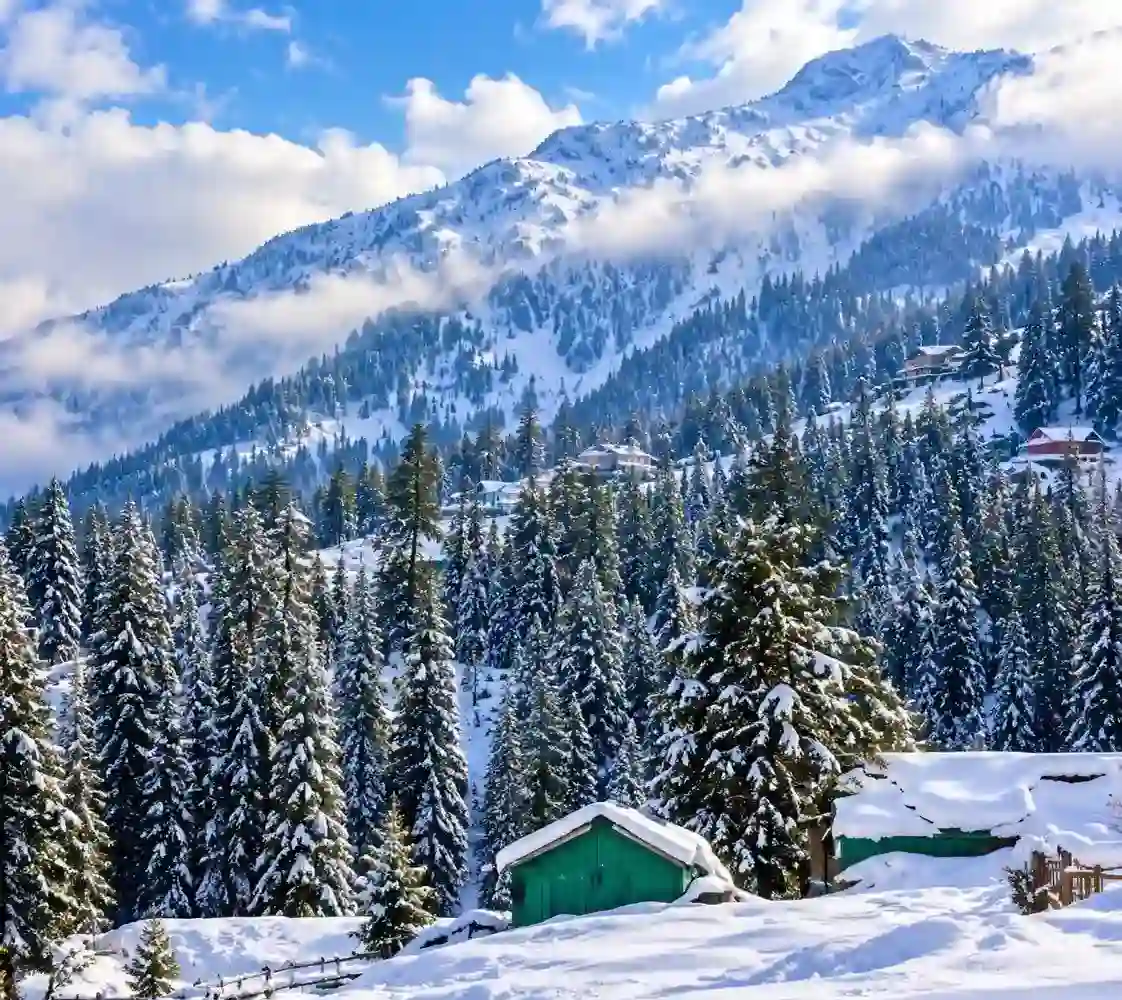
Mountain Getaway
Plan a hill-station escape with scenic drives, forest landscapes and nearby places to explore.
Explore Murree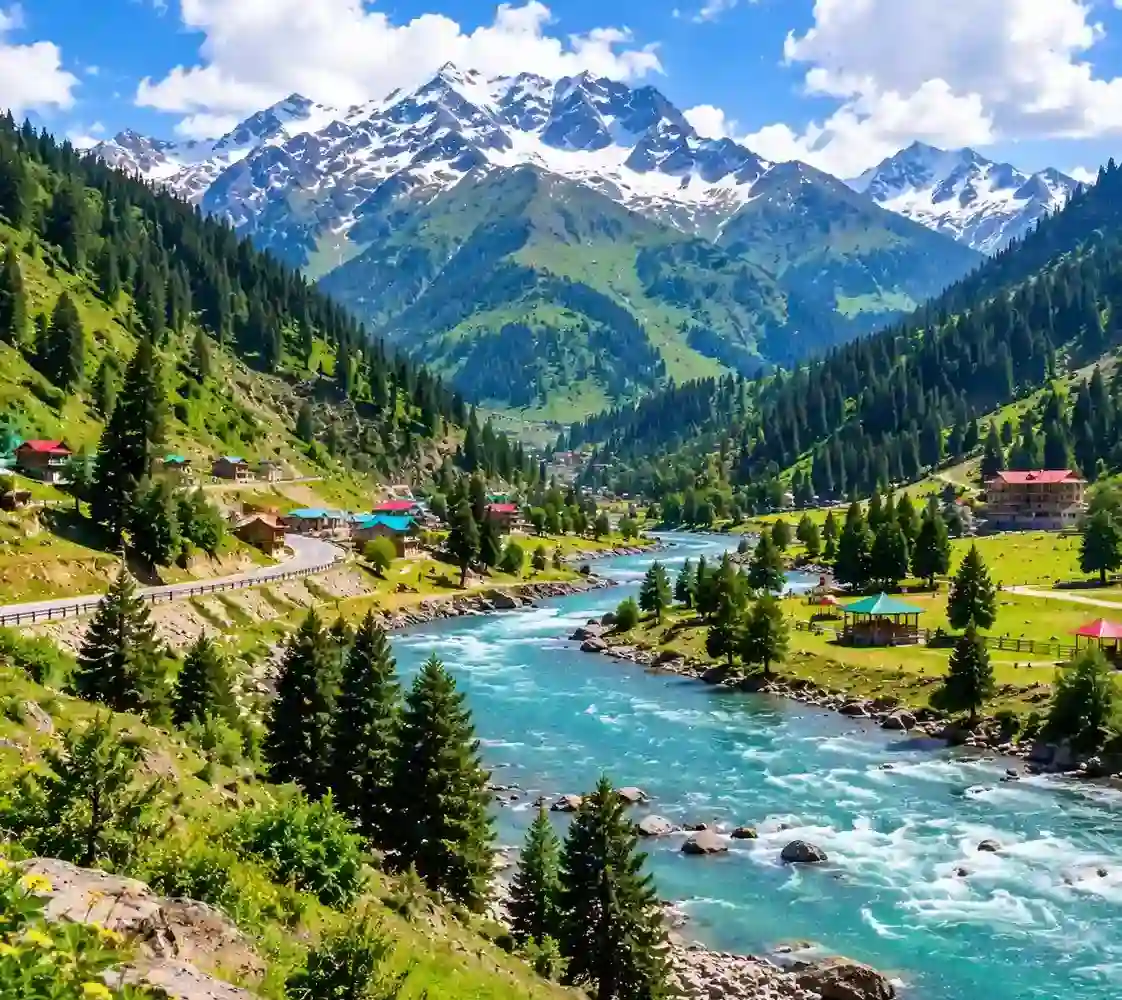
Lakes & Mountain Roads
Research seasonal road conditions, mountain scenery and route options before planning your trip.
Explore Naran & KaghanUseful Resources
Use official archaeology, museum and tourism information to verify details about Peshawar's heritage sites and visitor facilities.
Find official information about archaeological heritage, monuments, conservation and museums in Khyber Pakhtunkhwa.
Visit Official Website ↗Explore museum information and learn about its Gandharan sculpture collections and archaeological heritage.
Museum Information ↗Browse regional tourism resources, destination information and official visitor guidance for Khyber Pakhtunkhwa.
Visit KP Tourism ↗Your Pakistan Journey
Discover historic bazaars, explore cultural heritage, enjoy regional cuisine and learn about the traditions that shape this remarkable city.