Sufi Shrines
Explore significant shrines associated with Sufi scholars and spiritual traditions that have shaped the city's history.

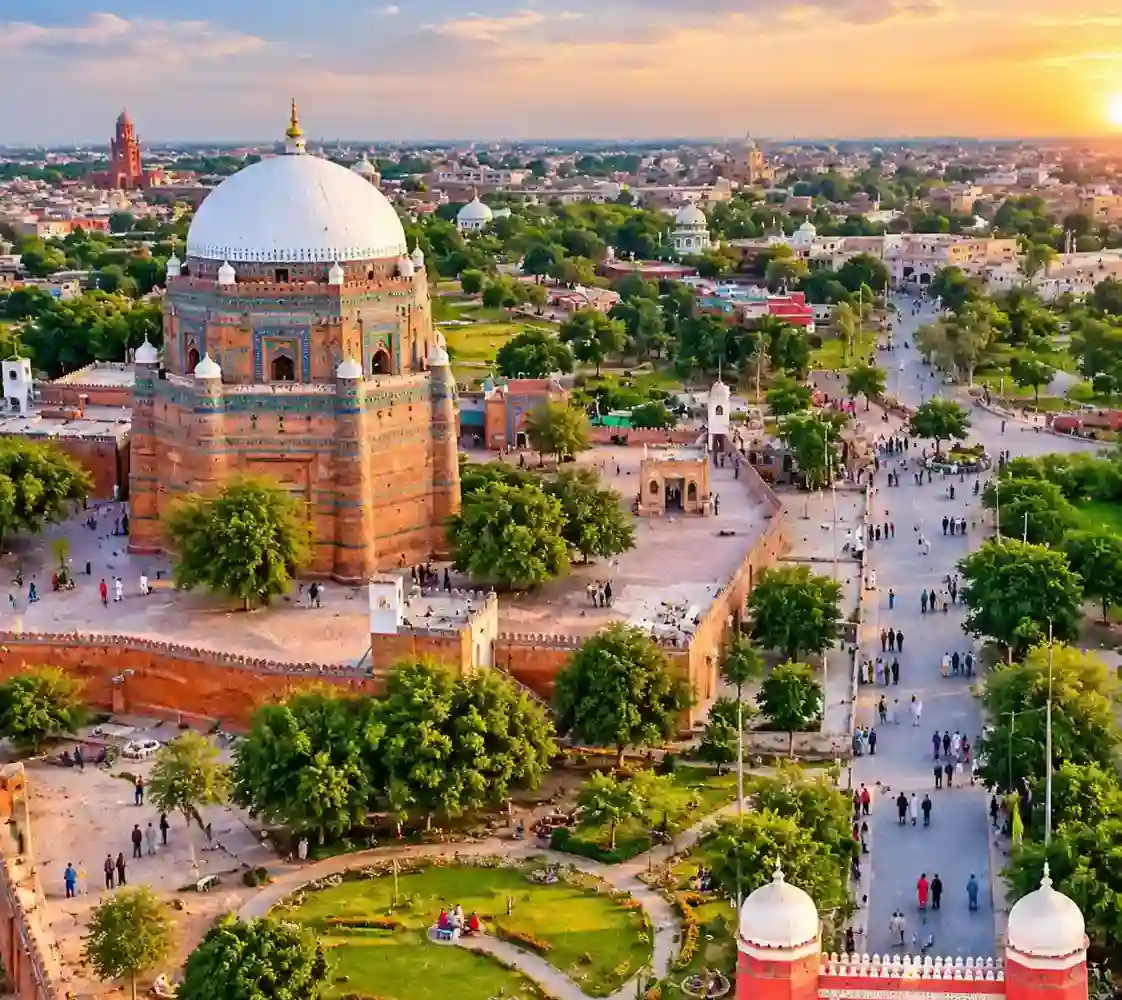
Southern Punjab · The City of Saints
Explore remarkable Sufi shrines, historic architecture, colourful tilework, bustling bazaars and the flavours and crafts of southern Punjab.
A destination guide by Explore Pakistan
Get to Know Multan
Multan is one of southern Punjab's best-known historic cities. Often called the City of Saints, it is associated with a long tradition of Sufi scholarship, pilgrimage, regional crafts, and trade.
The city's architectural heritage includes the celebrated mausoleum of Shah Rukn-e-Alam, the shrine of Bahauddin Zakariya, the historic Multan Fort area and many other religious and cultural sites. Their distinctive brickwork, domes and decorative tilework form an important part of Multan's identity.
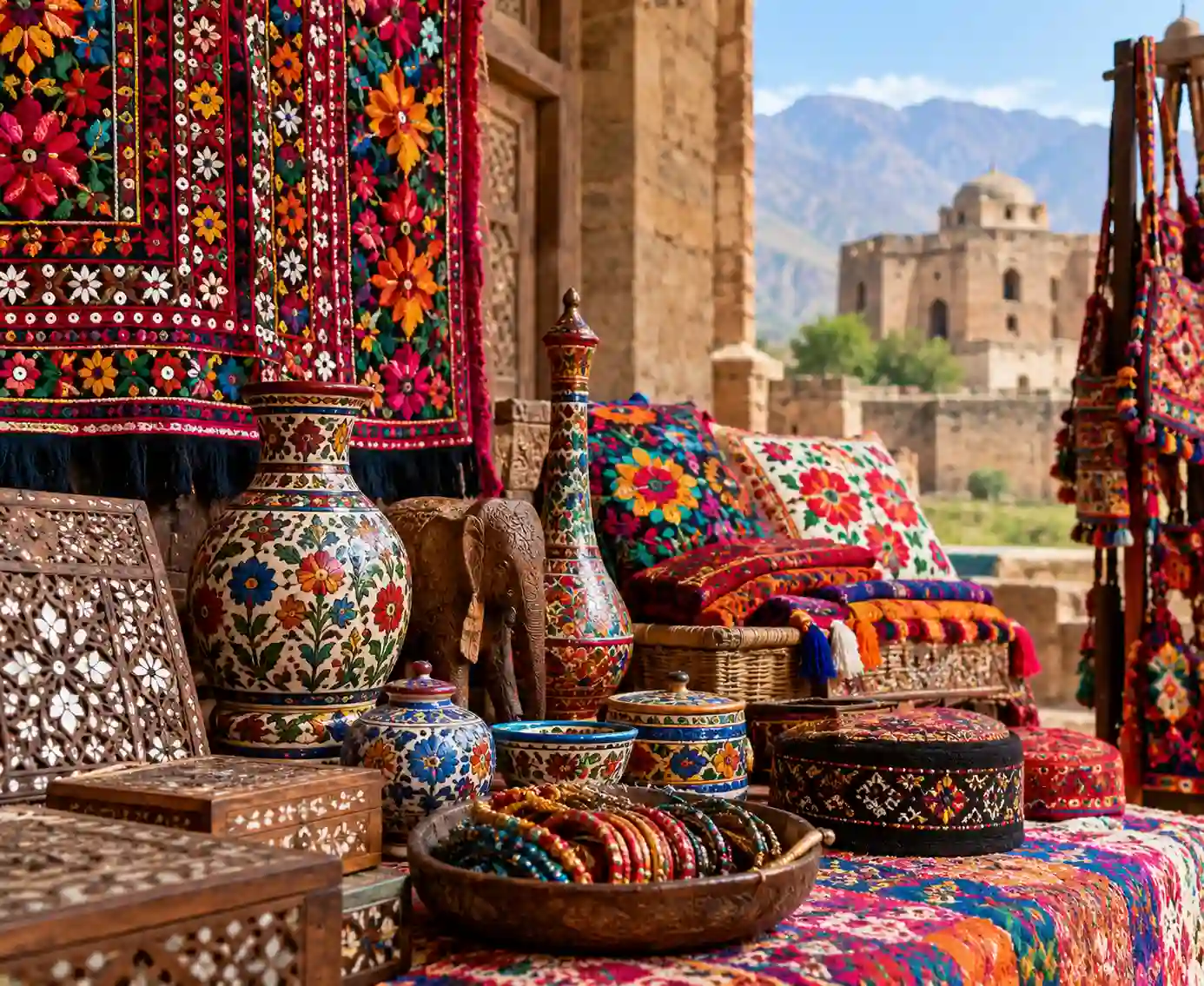
Beyond its shrines, Multan is known for traditional blue pottery, kashi-kari tilework, embroidered textiles, local markets, mangoes and regional food. Visitors can learn a great deal by making time for both the main monuments and the working bazaars.
The Multan Experience
Multan combines religious heritage, historic architecture, traditional craftsmanship, active bazaars and the distinctive food traditions of southern Punjab.
Explore significant shrines associated with Sufi scholars and spiritual traditions that have shaped the city's history.
Discover domed mausoleums, historic brickwork, carved details, and decorative blue and turquoise tilework.
Learn about traditional Multani pottery, kashi-kari and the craft traditions represented in local workshops and markets.
Experience the city's traditional markets, textile shops, craft sellers and longstanding commercial streets.
Sample local dishes, traditional sweets, seasonal fruit and familiar Punjabi specialities.
Visit respectfully, learn about local traditions and discover how heritage continues to shape everyday life in Multan.
Explore the City
Use these landmarks as a starting point for exploring Multan's heritage. Shrines and religious sites remain active places of worship, so follow local instructions and verify visitor access before travelling.
One of Multan's most recognisable monuments, this historic Sufi mausoleum is known for its monumental dome, substantial brick structure and glazed decorative tilework. Its architecture makes it an important destination for visitors interested in Sufi heritage and regional design. Respect worshippers and follow shrine etiquette.
Dedicated to the Sufi scholar Sheikh Bahauddin Zakariya, this shrine is an important spiritual and historical site in Multan. Visitors can appreciate its cultural significance while being mindful that it remains a place of worship.
The historic fort area is closely associated with Multan's long urban history and includes important heritage landmarks nearby. Although much of the old fort was damaged over time, the site remains a useful starting point for learning about the city's historic defences and monuments.
Ghanta Ghar is a familiar city landmark and a useful point of reference when exploring Multan's central areas. The surrounding streets connect visitors with local commerce and the city's urban atmosphere.
One of Multan's well-known traditional markets, Hussain Agahi is a place to explore textiles, handicrafts, everyday goods, and the activity of the old city's commercial streets. Expect busy lanes, crowds and a lively shopping environment.
This shrine is associated with Multan's wider Sufi heritage and is visited by devotees and visitors. Explore it respectfully and check local arrangements if you plan to visit during religious gatherings.
Eidgah Mosque is a notable religious landmark in Multan. As with other active places of worship, access and visitor etiquette should be checked locally. Dress respectfully and avoid disrupting prayer.
Multan is associated with traditional blue pottery and kashi-kari decorative tilework. Craft shops and workshops can offer an introduction to these distinctive techniques. Ask about the materials and making process and consider buying directly from local craftspeople.
A museum visit can add context to the city's archaeological, artistic and cultural heritage. Confirm current museum opening arrangements, available collections and visitor access before including it in your itinerary.
Multan has several historic places and green spaces that may be worth exploring depending on your schedule. Check their current condition, accessibility and local visitor information before setting out.
Shrines are living religious sites, not simply tourist attractions. Respect local customs, photography rules, dress expectations and requests from site staff.
Make Time to Explore
This itinerary groups heritage sites, shrines and markets into two flexible days. Adjust it to local conditions, prayer schedules, opening hours, weather and your personal interests.
Begin with Shah Rukn-e-Alam Shrine and, where access and timing permit, visit Bahauddin Zakariya Shrine. Explore the Qila Kohna Qasim Bagh area and learn about the city's historic fort. In the afternoon, explore selected old-city streets and local craft shops. Allow time for rest and meals, especially during hot weather.
Start with Hussain Agahi Bazaar or another traditional market, taking time to explore crafts, textiles and local goods. If available, visit a museum or blue pottery workshop. Later, try regional dishes and sweets while allowing sufficient time for transport between areas.
Use additional time for another shrine, cultural site, craft shop, or an unhurried walk through traditional market streets. Confirm opening arrangements and any special local restrictions before visiting.
Seasons and Weather
Multan can experience very hot weather, particularly in summer. Your visit will be more comfortable when you plan outdoor activities around local conditions.
Cooler conditions may make it more comfortable to walk around shrines, historic neighbourhoods and bazaars. Check the forecast and opening arrangements before your visit.
High temperatures can make outdoor sightseeing tiring. Consider early starts, shade, regular water breaks, suitable clothing, and rest periods during the hottest hours of the day.
Religious gatherings and annual shrine events may affect crowds, traffic, accommodation availability and access. Check local arrangements before travelling.
Actual weather varies year to year. Consult current forecasts and take precautions for heat, including drinking water and limiting strenuous outdoor activity during extreme conditions.
Before You Go
A few simple preparations can help you explore shrines, markets, and historic places with greater comfort and respect for local traditions.
Verify opening hours and visitor arrangements for shrines, museums, mosques and historic buildings before your visit.
Carry drinking water, wear suitable clothing, use sun protection and schedule outdoor walks during more comfortable parts of the day.
Choose modest clothing for religious sites and follow any local instructions about footwear, entry and visitor conduct.
Research local transport options and group nearby attractions to reduce unnecessary journeys across the city.
Traditional bazaars can be crowded and busy. Keep belongings secure, respect shopkeepers' working space and ask permission before taking photographs of people.
When buying pottery, textiles, or decorative crafts, ask about their materials and making process. Handle fragile pieces with care.
Some small shops and local services may not accept cards. Carry suitable payment options and any medication you require.
Shrines and mosques are active places of worship. Be mindful of prayer times, worshippers, photography restrictions and local requests.
Local Craftsmanship
Multan is associated with blue pottery and kashi-kari, a decorative tilework tradition that gives many historic buildings their distinctive patterns and colours.
Depending on local availability, visitors may find ceramic bowls, vases, decorative pieces, tiles, textiles and other handmade goods in market shops and workshops. Ask sellers about how items are made and whether the work is locally produced.
When visiting a working workshop, respect the artisans' space and ask before taking photographs. Buying directly from local craftspeople can help sustain traditional skills and livelihoods.
Explore More
Continue exploring northern Pakistan or plan a broader journey through the country.
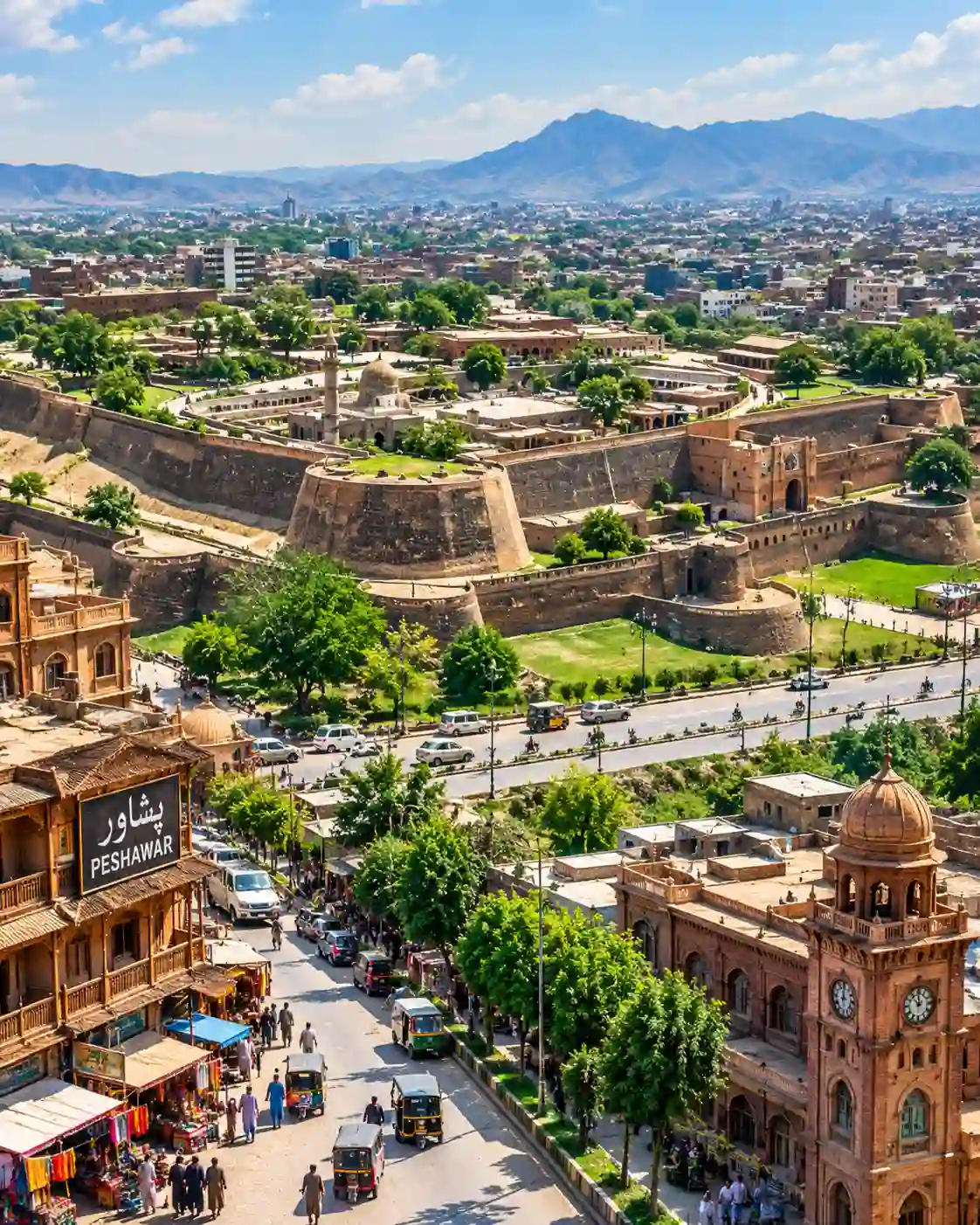
Historic City
Find information about traditional bazaars, regional food and the city's long-standing cultural heritage.
Explore Peshawar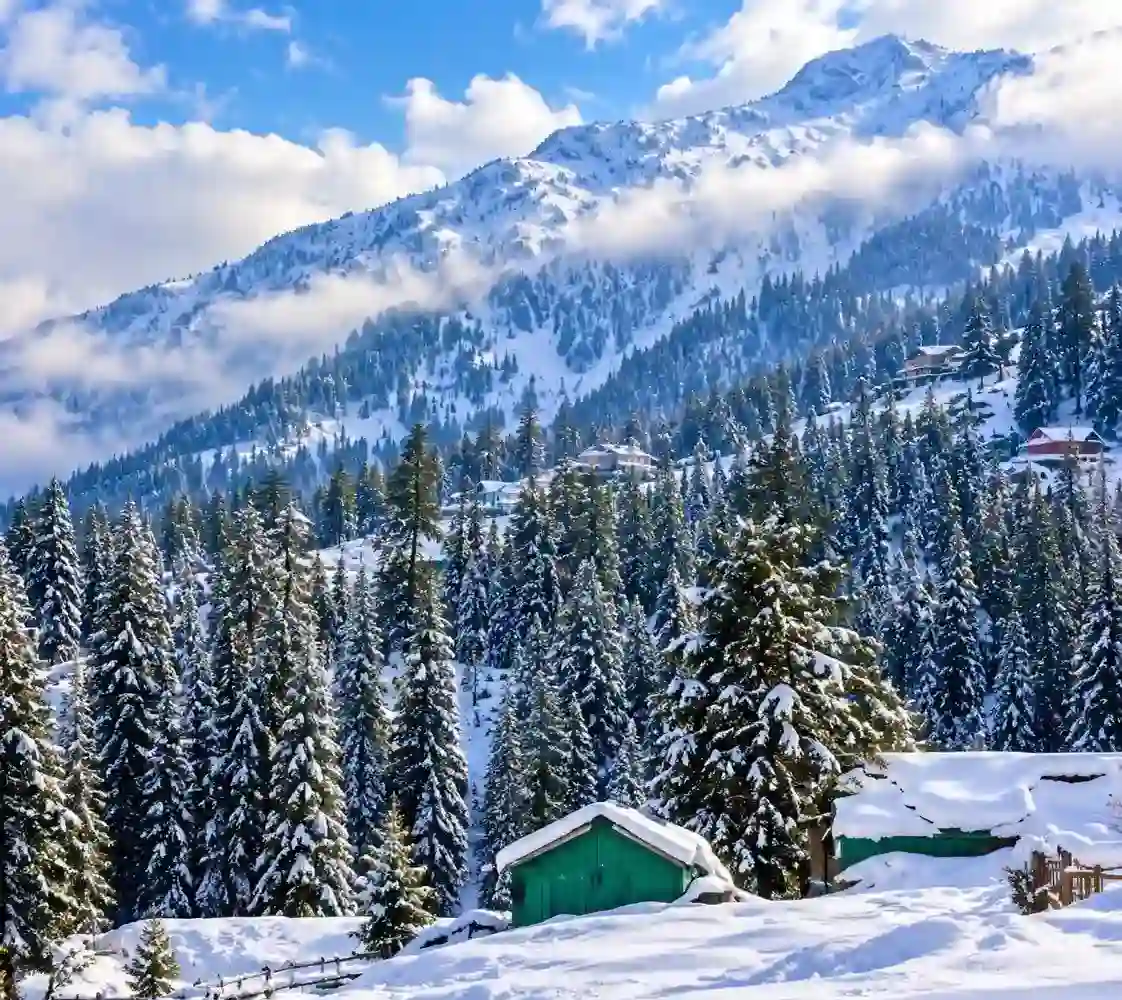
Mountain Getaway
Plan a hill-station escape with scenic drives, forest landscapes and nearby places to explore.
Explore Murree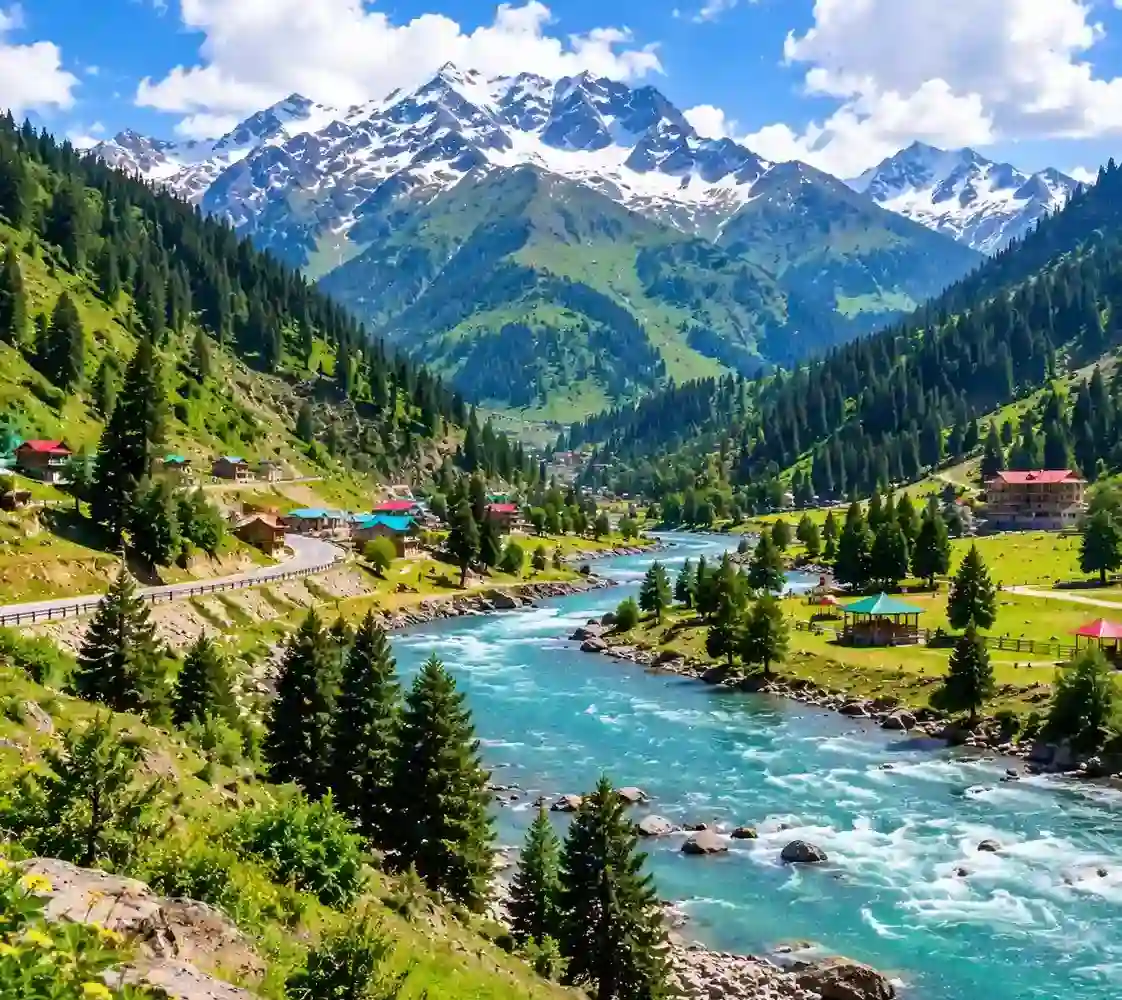
Lakes & Mountain Roads
Research seasonal road conditions, mountain scenery and route options before planning your trip.
Explore Naran & KaghanUseful Resources
Use official regional resources to research local heritage, shrines and other attractions before travelling.
Read the Multan district administration's information about Multan Fort and associated historic sites.
View Official Information ↗Consult the Punjab Auqaf Department's shrine listings for information about religious heritage sites.
Explore Shrine Listings ↗Explore a published Multan tourism brochure containing destination and visitor information for the city.
Open Tourism Brochure ↗Your Pakistan Journey
Discover historic shrines, explore traditional crafts, taste regional flavours and learn about the heritage of southern Punjab.