River Landscapes
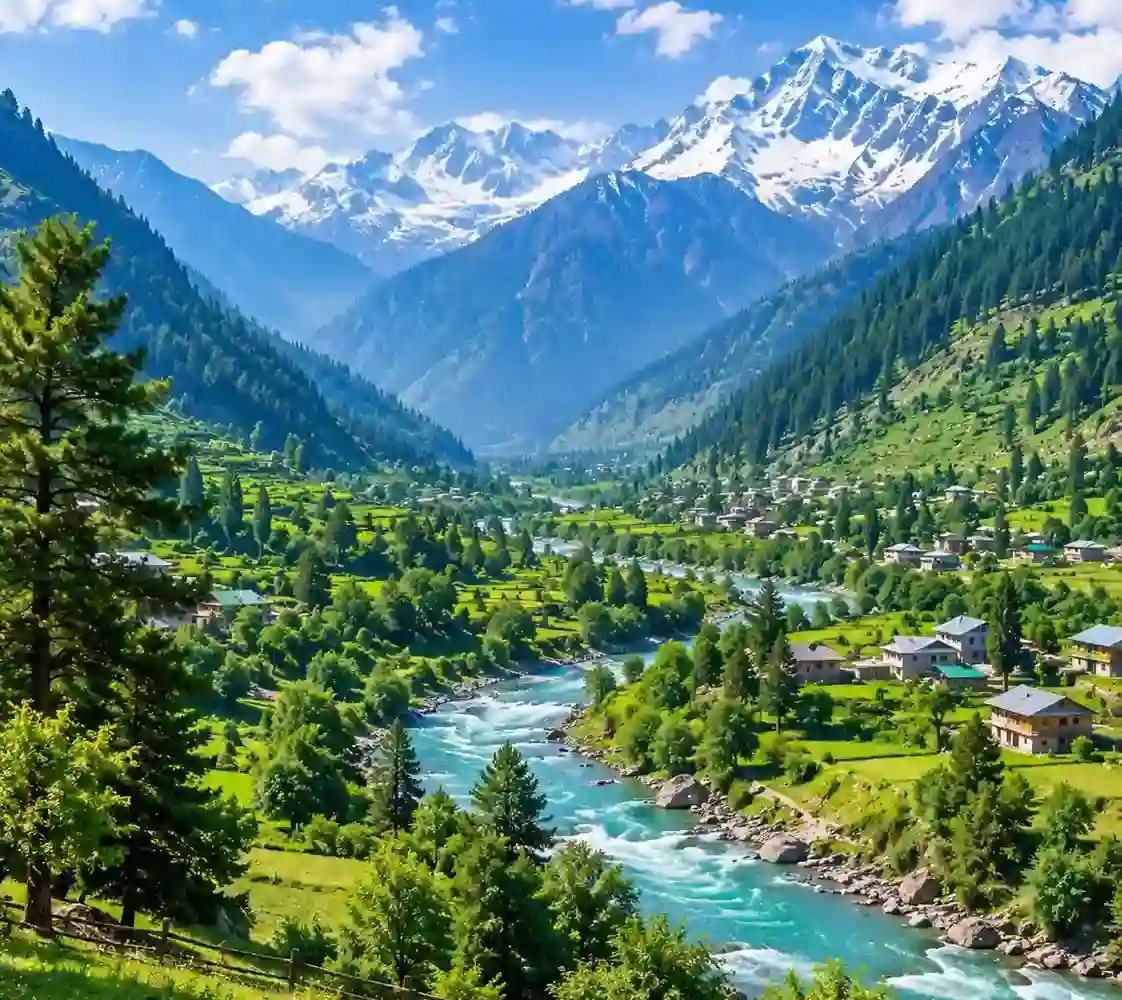
The Swat River and its tributaries form a distinctive part of the region's scenery, with green valley floors and mountain views.

Heritage · The Queen of the Hills
Discover a mountain region shaped by the Swat River, forested hills, alpine lakes and a rich cultural history. From Kalam's dramatic scenery to Malam Jabba's mountain resort, Swat offers a varied landscape to explore and understand.
Swat combines mountain landscapes with historic settlements and cultural sites.
Discover Swat · The Queen of the Hills
Swat lies in the mountainous north of Khyber Pakhtunkhwa and is known for the river and settlements that run through it.
The wider Swat region includes lively towns, riverside locations, forested mountain slopes, highland meadows and remote lakes. Mingora and Saidu Sharif are useful reference points for urban services, museums and visits to nearby cultural attractions.
Farther north, destinations such as Bahrain and Kalam offer a different atmosphere, with mountain roads, streams and access to surrounding valleys. Malam Jabba is known for its mountain resort and seasonal outdoor activities.
Swat is also significant for its historical and archaeological heritage. Its Buddhist archaeological sites and museum collections offer context for the region's long and varied past.
Before planning travel, check the current security advisory that applies to your nationality, local restrictions, road conditions and travel-insurance terms.
Read Before Planning
Security advice can change. Verify the current official guidance before booking transport, accommodation or excursions.
At the time this page was prepared, the UK Foreign, Commonwealth & Development Office advised against all travel to Swat District. This is a significant warning for travellers covered by that advice and may affect travel-insurance validity.
Read the latest UK government regional travel advice and the guidance issued by your own country's foreign ministry. Check local authority updates as well. Do not treat this travel guide as a security clearance or a guarantee that visiting the region is advisable.
Discover the Region
Swat brings together natural landscapes, outdoor activities and cultural heritage across a wide mountain region.
The Swat River and its tributaries form a distinctive part of the region's scenery, with green valley floors and mountain views.
Malam Jabba is known for its mountain-resort setting, with seasonal activities that can include winter sports.
The upper region provides access to mountain lakes such as Mahodand and Kundol, subject to current conditions.
Forested slopes, open meadows and mountain trails create varied scenery for nature photography.
Swat's Buddhist archaeological remains and museum collections document important chapters in the region's past.
Visitors can find Pakistani dishes, regional specialities and local restaurants in established towns and visitor areas.
Places to Explore
The following places are well-known regional attractions. Access, opening arrangements and conditions should be verified before including them in your travel plans.
A mountain town in Upper Swat surrounded by forested slopes, river scenery and high peaks. Kalam is a base for planning excursions toward Ushu Forest and nearby mountain valleys.
A mountain resort known for its elevated setting and winter sports. Available activities, resort facilities and road access vary with season and operating conditions.
A scenic high-altitude lake in the Upper Swat area, reached from the Kalam region. The journey may require local transport suited to rough mountain roads.
A forested mountain area near Kalam that attracts visitors for its woodland scenery and surrounding highland landscape. Follow local guidance and stay on appropriate routes.
A settlement along the route toward Kalam, known for its riverside setting and surrounding mountains. It can be a convenient stop on a longer journey through the valley.
A town along the main valley road. It is known as a stopping point for travellers heading farther north and for restaurants serving local meals, including trout where available.
A historic palace associated with the former Swat State, located in the Marghazar area. Check current access and visitor arrangements before making the trip.
A cultural stop for visitors interested in the region's history and archaeological heritage. Verify opening hours and any entry requirements before visiting.
Swat contains archaeological remains connected with its Buddhist heritage. Butkara and other documented sites are relevant to travellers interested in the history of the region.
A mountain lake in the wider Upper Swat region. The approach may require trekking and suitable local guidance, so assess the route, weather and your fitness before planning a visit.
Seasonal Planning
The best season depends on your planned activities, elevation and the actual conditions during your travel dates.
Lower areas begin to warm up and the landscape changes through the season. Snow or poor road conditions can still affect higher locations early in spring.
This is a popular period for exploring the green valleys and upper mountain destinations. Busy roads, variable weather and heavy-rain disruptions remain possible.
Early autumn can bring changing foliage and cooler weather. Confirm access to remote lakes and valleys, particularly late in the season.
Snow transforms the higher mountain landscape and Malam Jabba may offer seasonal winter activities. Snowfall can also disrupt roads and other excursions.
Suggested Travel Plans
This sample itinerary groups attractions geographically. Adjust it for current security advice, approved access, road conditions and the amount of time available.
If travel is advisable and permitted, use the Mingora and Saidu Sharif area as a base for town services and cultural visits. Check museum opening hours and the current visitor arrangements of historical sites in advance.
Plan a route through the valley toward Madyan and Bahrain only after checking the latest advice and road conditions. Allow time for breaks and avoid driving unfamiliar mountain roads after dark.
If access is appropriate, explore the Kalam area and its nearby landscapes. Remote destinations such as Ushu Forest and Mahodand Lake may require additional time, local transport and current access confirmation.
Depending on your base and the available time, consider a separate visit to Malam Jabba or begin your return journey. Check operating schedules for resort activities and leave a buffer for weather-related delays.
Local Culture
Swat is part of the wider Pashtun cultural region. Local language, food, clothing and community traditions form an important part of the valley's identity.
In established towns and visitor areas, travellers may find Pakistani dishes, karahi, barbecue, lentils, fresh bread and tea. Trout is associated with some parts of the region, but availability and preparation vary by restaurant.
Dress respectfully, ask before photographing people and follow local guidance when visiting religious, historical or community sites. Ask restaurants about ingredients and prices before ordering.
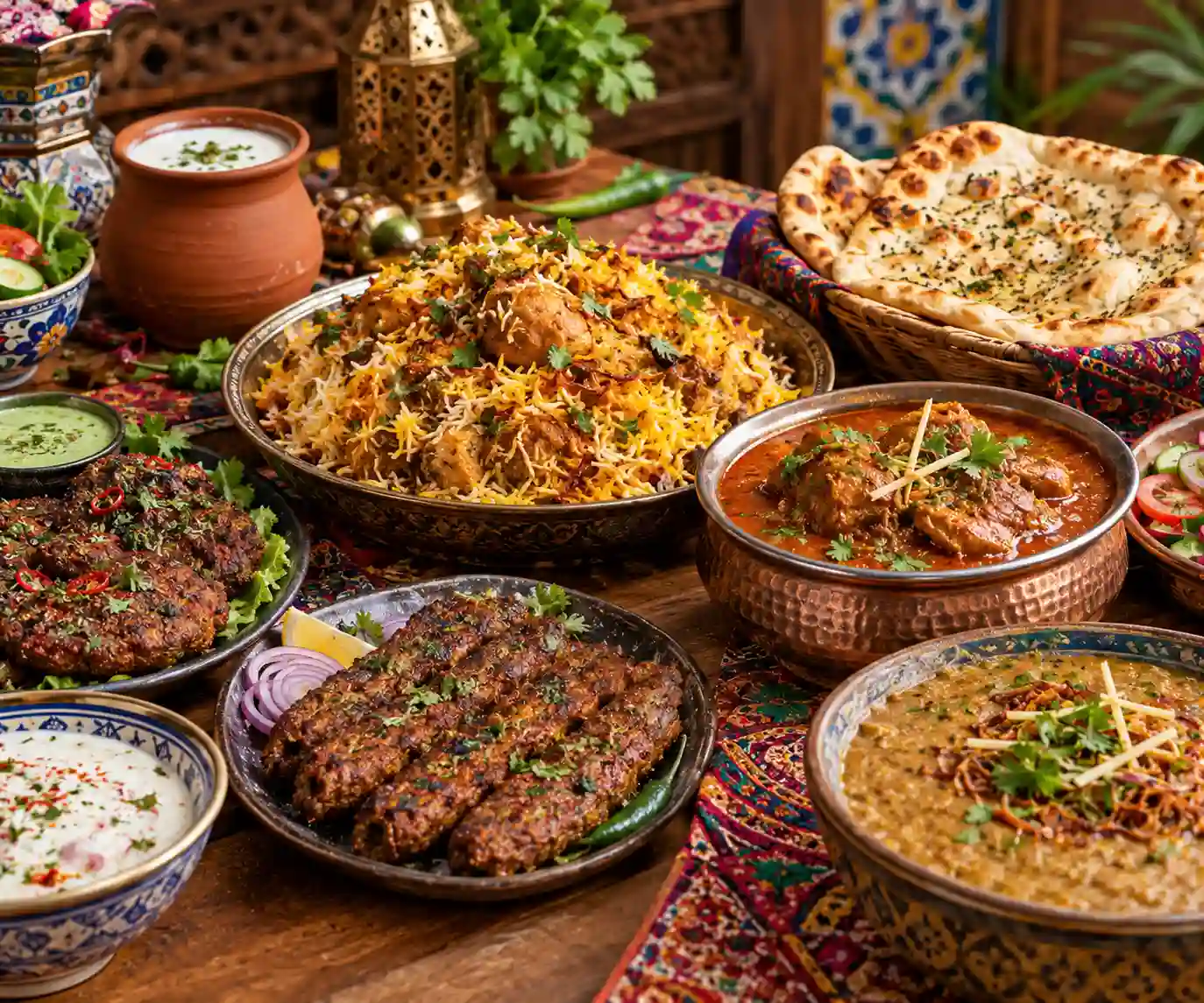
Explore local dishes respectfully and ask about ingredients and preparation.
Explore More
Continue exploring northern Pakistan or plan a broader journey through the country.
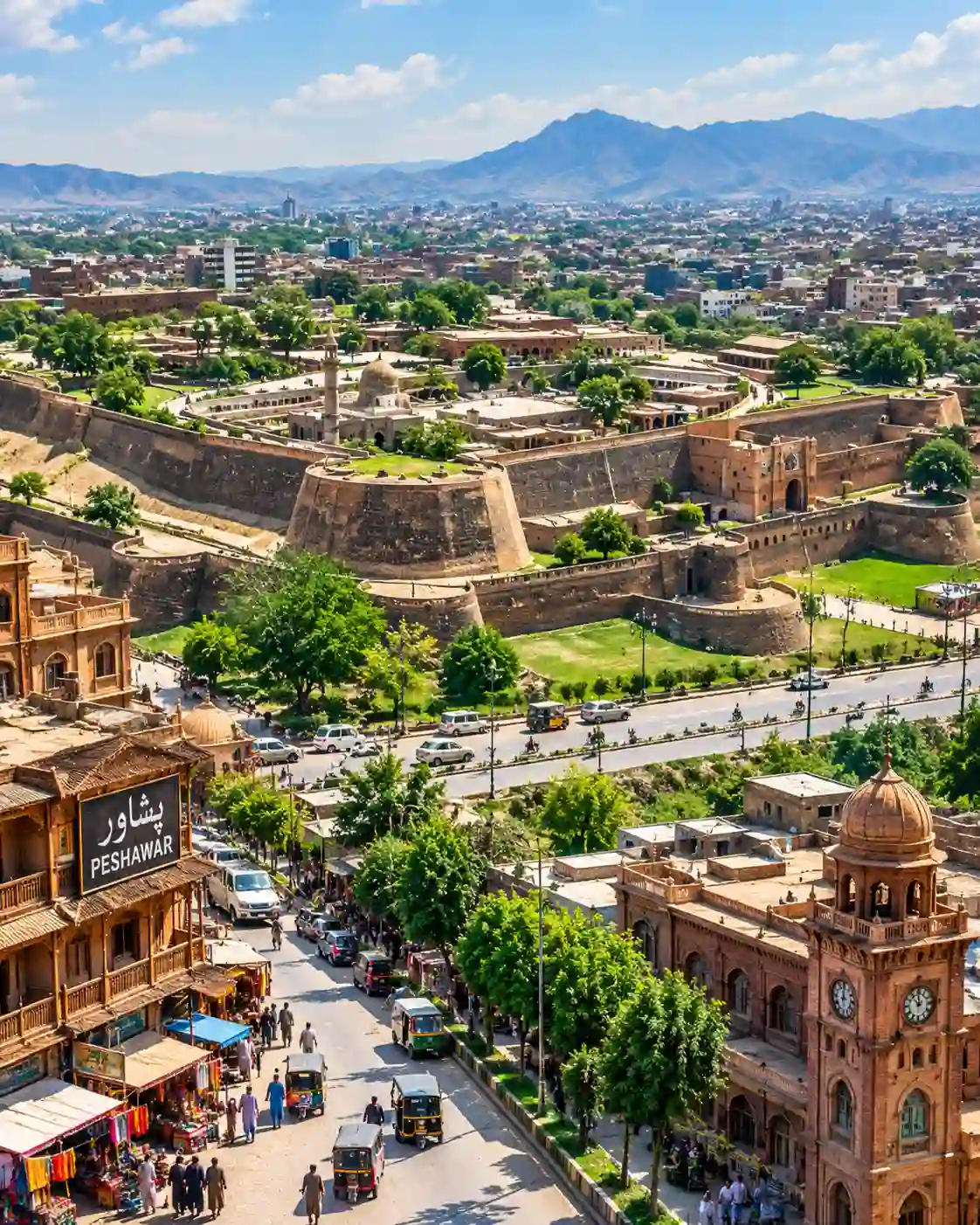
Historic City
Find information about traditional bazaars, regional food and the city's long-standing cultural heritage.
Explore Peshawar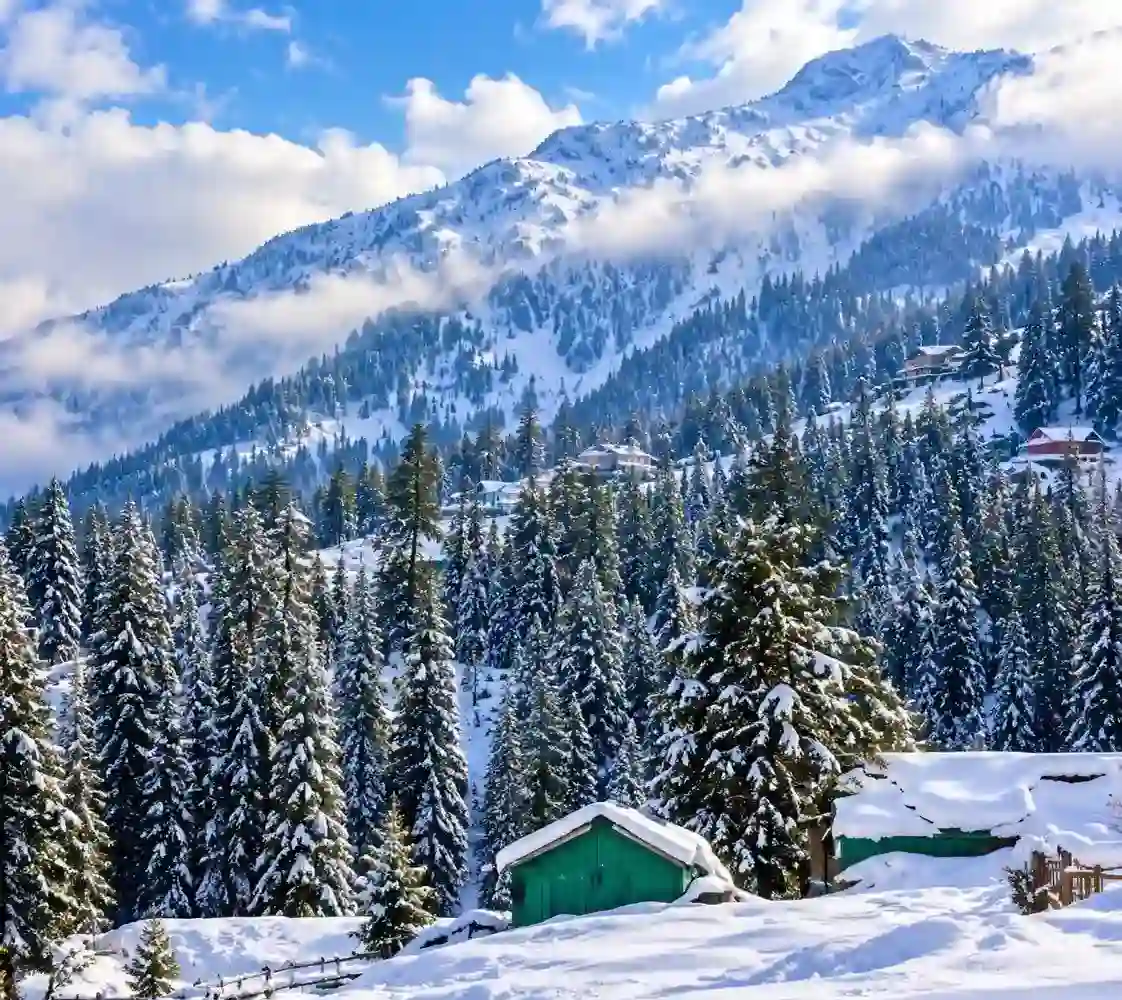
Mountain Getaway
Plan a hill-station escape with scenic drives, forest landscapes and nearby places to explore.
Explore Murree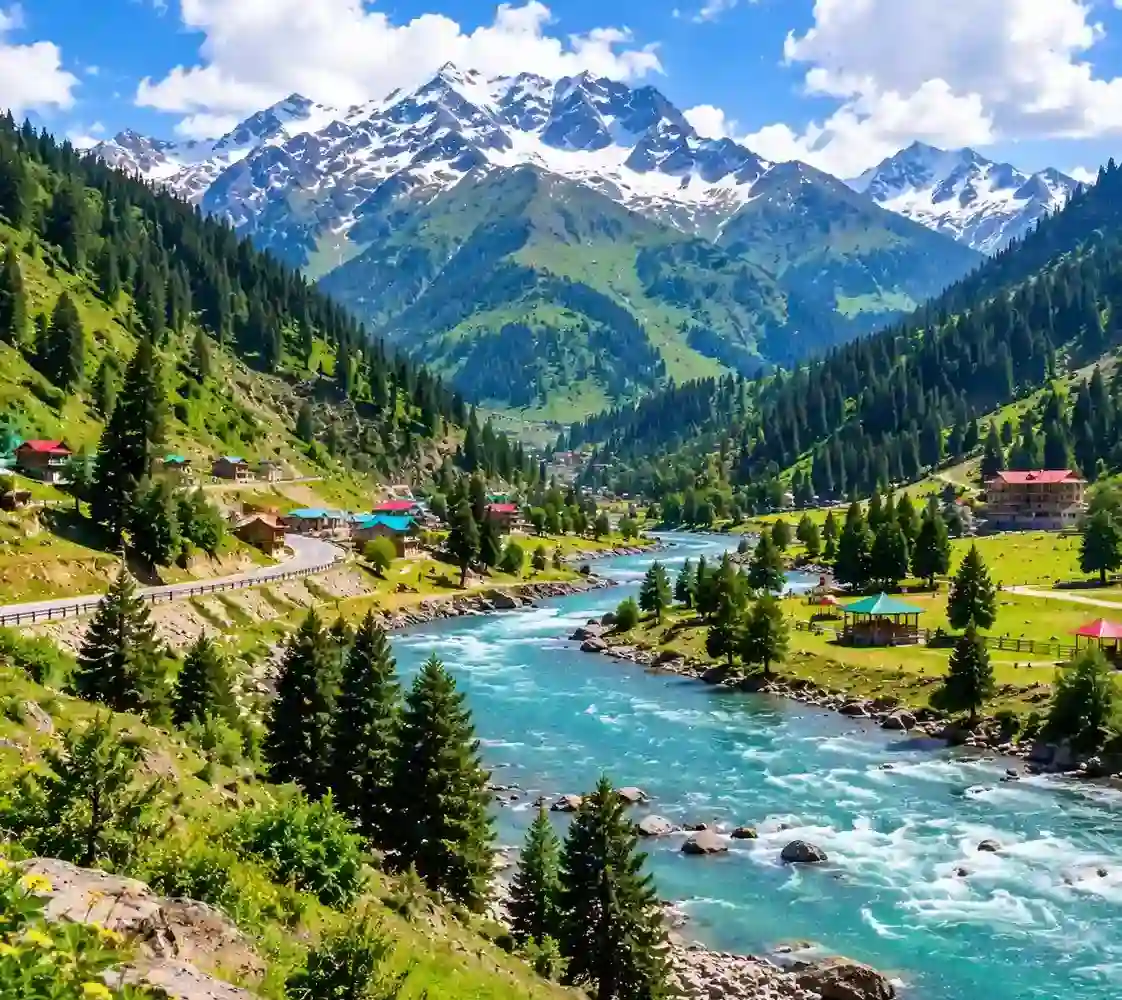
Lakes & Mountain Roads
Research seasonal road conditions, mountain scenery and route options before planning your trip.
Explore Naran & KaghanBefore You Go
Good preparation matters especially when planning travel through mountain roads and remote destinations.
Read the latest travel advice from your government. Check whether any warning applies to Swat and whether your planned journey is covered by insurance.
Confirm the status of your route before departing. Rain, landslides, snow and road restrictions may affect journey times or prevent access.
Verify booking details, location, cancellation terms and transport arrangements directly with your accommodation provider before travelling.
Rough mountain tracks may require an appropriate vehicle and an experienced local driver. Agree on charges, route and return arrangements beforehand.
Bring warm layers, waterproof outerwear and sturdy footwear. Conditions at higher elevations may be very different from those in the towns below.
Keep drinking water, snacks, essential medicines, cash and downloaded offline maps available, especially for longer drives or remote excursions.
Ask permission before taking identifiable photographs, respect local customs and follow site rules at cultural, religious and archaeological locations.
Take rubbish with you, stay on appropriate paths, avoid disturbing wildlife and keep a safe distance from fast-flowing rivers and unstable slopes.
Explore destination guides, cultural background and practical planning advice to understand Pakistan's diverse regions. Always check current security and travel information before making your arrangements.