Welcome to Pakistan’s Historic Places
Pakistan’s history stretches across thousands of years. The land contains archaeological remains associated with the Indus Valley Civilisation, Gandhara’s Buddhist heritage, ancient trade routes, medieval forts, Sufi shrines and the architectural legacy of the Mughal period.
These sites are spread across a large and geographically varied country. Lahore is a strong base for Mughal-era architecture; Taxila is important for archaeology and Gandharan heritage; Sindh contains the remains of Mohenjo-daro and the Makli Necropolis; while Rohtas Fort illustrates a different chapter of military architecture.
Plan realistically: distances can be long, opening arrangements may change and some archaeological sites have limited shade or visitor facilities. A local guide or museum interpretation can add valuable context, especially at large ruins and historic urban districts.
Start with one historical region
For a first trip, combine Lahore’s monuments with a visit to Rohtas Fort or Taxila if travel conditions allow. A separate Sindh itinerary can focus on Mohenjo-daro, Makli and Hyderabad-area heritage. Check current travel advice and transport before committing to intercity routes.
Before You Visit: Travel Advice and Site Conditions
Check your government’s current travel advice before booking and again before departure. Conditions, road access, public events, opening hours and local restrictions can change. Advice can differ by district, so review the exact places and routes on your itinerary rather than relying on a general country summary.
Verify access and opening details
Use official tourism, archaeology, museum or site-management sources where available. Confirm whether tickets, photography permits, guided tours or special entry arrangements are required. At religious sites, follow local dress guidance and instructions from staff.
Read the latest UK FCDO travel advice for Pakistan and the advice issued by your own government.
Best Historical Places to Visit in Pakistan
The following landmarks offer different perspectives on the region’s history, from Bronze Age urban life to imperial architecture and sacred landscapes.
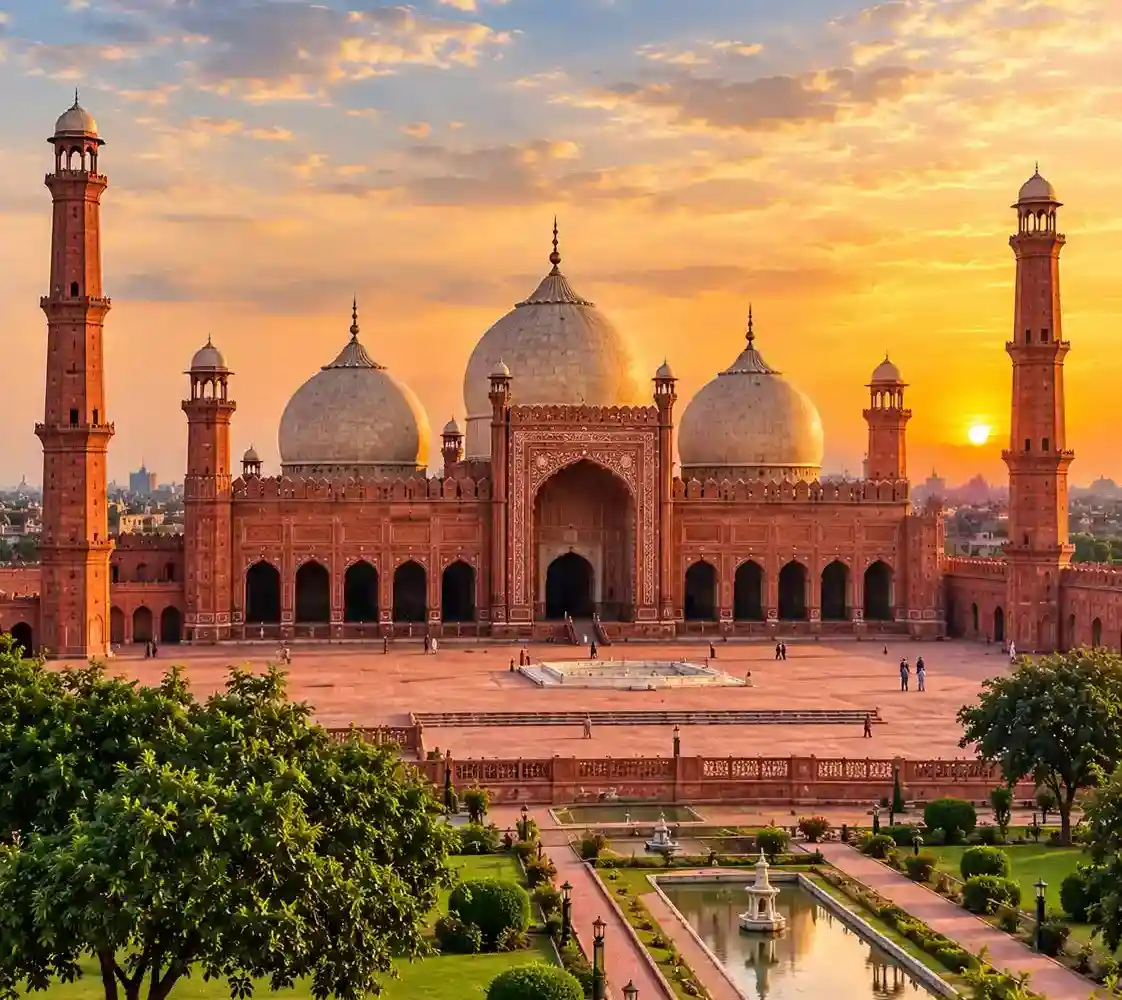
1. Lahore Fort and Badshahi Mosque
Lahore’s historic core brings together monumental Mughal architecture, courtyards, gateways and a celebrated mosque. Allow time for both sites and the surrounding old city; check ticketing and access information before visiting.
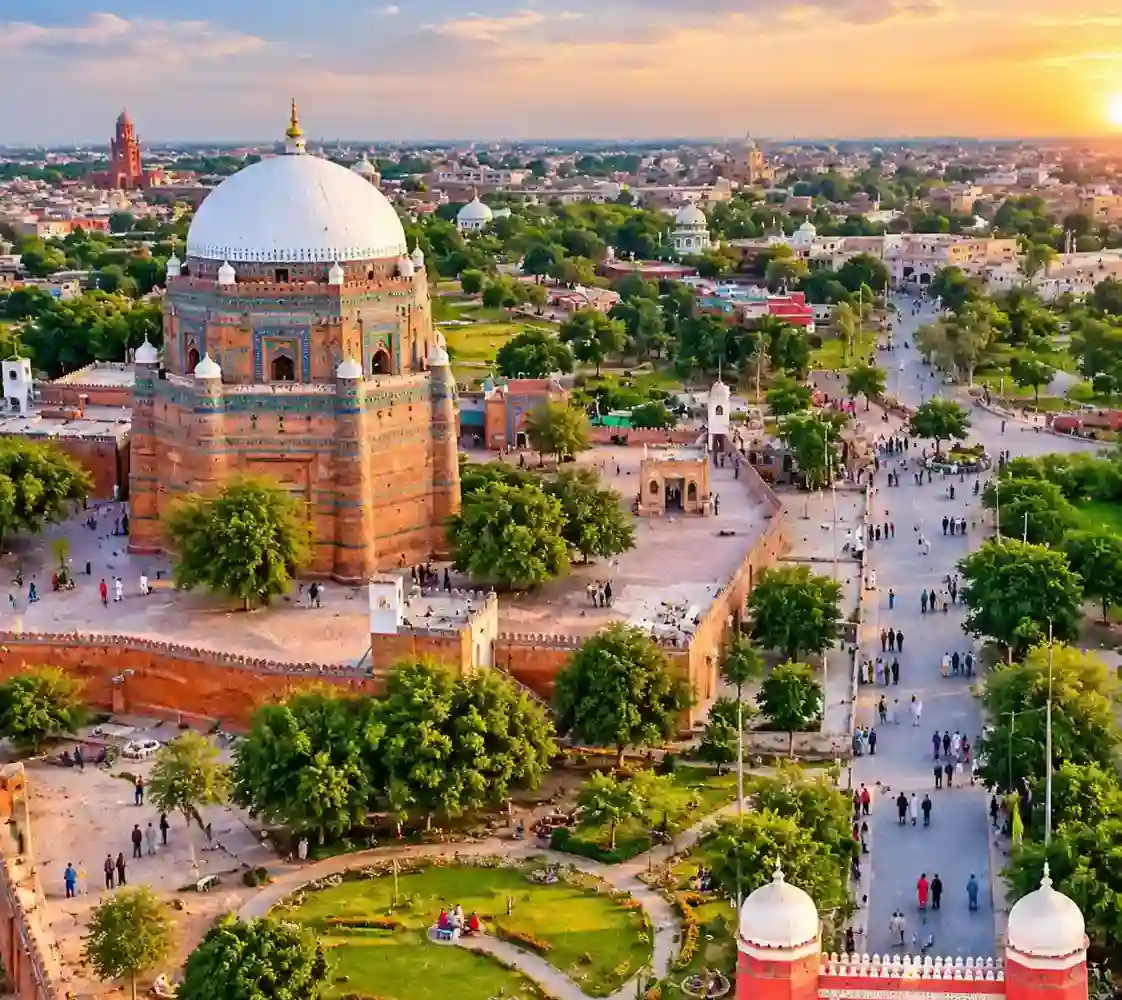
2. Multan’s Historic Shrines
Multan is known for its Sufi heritage, brick architecture and distinctive blue tilework. Visit respectfully, dress modestly and follow site-specific rules, especially during prayers or religious gatherings.
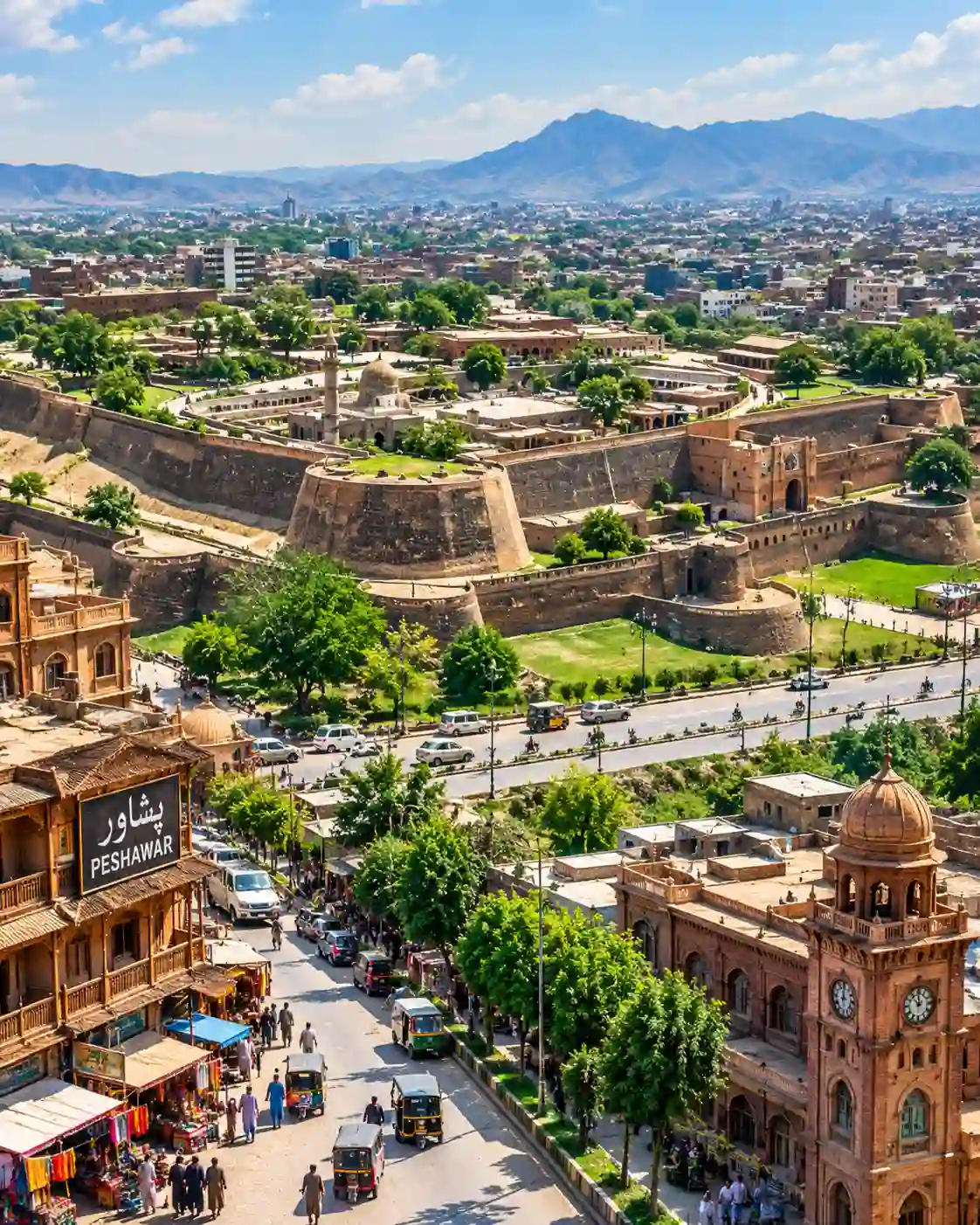
3. Peshawar’s Old City
Peshawar’s historic neighbourhoods reflect centuries of trade and cultural exchange. Explore with local guidance, check current access and security conditions and ask before photographing residents or private spaces.
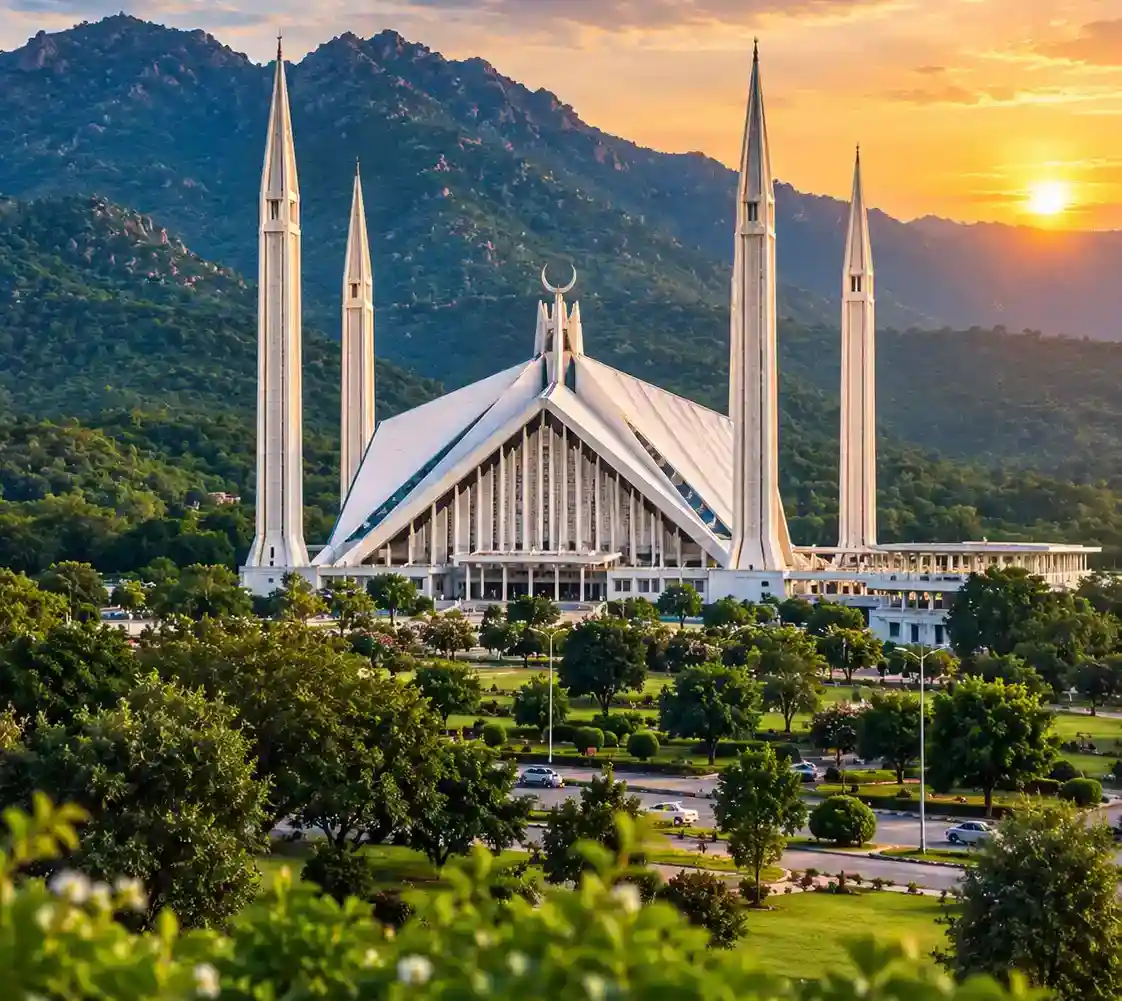
4. Islamabad’s Monuments and Museums
Although much of Islamabad is modern, its national monuments, museums and nearby archaeological sites provide useful context for Pakistan’s history and identity. Combine indoor museum visits with outdoor landmarks.
How to Plan a Historical Trip
Group sites geographically instead of trying to cross the country every day. Historic city centres are often best explored on foot with breaks, while remote archaeological locations usually require a dedicated transport plan.
Before leaving your accommodation
- Check the site’s official opening times, ticket arrangements and any holiday closures.
- Confirm transport, road conditions and realistic travel times.
- Carry water, sun protection, comfortable footwear and a small amount of cash.
- Bring identification if required and keep valuables secure in busy areas.
- Ask permission before photographing people, ceremonies or restricted areas.
- Do not touch, climb on or remove objects from archaeological structures.
Best Time to Visit Historical Places
For many outdoor archaeological sites in Punjab and Sindh, the cooler months are generally more comfortable for walking. Summer heat can be intense, particularly around exposed ruins, while winter fog or rain may affect road travel in some regions. Northern and higher-elevation destinations follow different seasonal patterns.
City monuments and museums can often be visited across more of the year, but religious holidays, weekly closures, special events and conservation work may affect access. Check conditions for each site rather than assuming every attraction follows the same schedule.
Suggested 7-Day Heritage Itinerary
Lahore’s Mughal and Walled City Heritage
Explore Lahore Fort, Badshahi Mosque, the Walled City and a museum or historic garden. Keep time flexible for guided visits and local opening arrangements.
Rohtas Fort or Taxila
Choose one route based on transport, current advice and your interests. Both need planning beyond a casual walk through a city centre.
Travel to Sindh
If continuing south, allow adequate travel time and choose an overnight base before visiting sites around Thatta or Larkana.
Makli, Thatta or Mohenjo-daro
Focus on one area rather than trying to cover every site in a short time. Confirm road conditions, opening details and return transport.
This is a planning framework, not a fixed route. Distances are substantial, so a shorter itinerary focused on Punjab or Sindh may be more comfortable.
Respecting Heritage and Local Culture
Historical places are not only tourist attractions; many remain active religious sites or sit within living neighbourhoods. Dress modestly where appropriate, remove shoes when requested, follow photography rules and respect worshippers and local residents.
Choose licensed or locally recommended guides where possible. Avoid buying antiquities or objects that may have been removed from archaeological sites. Leave fragile structures undisturbed and use marked paths to help protect heritage for future visitors.
Frequently Asked Questions
What is the most famous historical place in Pakistan?
There is no single answer. Lahore Fort, Badshahi Mosque, Mohenjo-daro, Taxila, Rohtas Fort and Makli are among the country’s best-known heritage landmarks, each representing a different period or tradition.
How many days do I need for a heritage trip?
Three to five days can work for a focused Punjab itinerary. A trip combining Lahore with archaeological sites in Sindh requires more time because of long intercity distances.
Can I visit archaeological sites independently?
Some sites can be visited independently, but transport, interpretation and access arrangements vary. A local guide can be especially useful at spread-out archaeological complexes.
Are opening times and tickets fixed?
No. Hours, fees, tours and photography rules can change. Verify details with the relevant official site or authority before setting out.
Is it appropriate to take photographs?
Often yes in public visitor areas, but restrictions may apply inside museums, religious buildings or protected locations. Always follow posted rules and ask permission before photographing people.
Official Resources for Further Planning
- UNESCO World Heritage Centre — Pakistan for international heritage listings and conservation context.
- Pakistan tourism information for general trip planning.
- UK FCDO Pakistan travel advice for current regional security information.
- Government of Punjab for provincial information and relevant official departments.
Use official resources to confirm the current status of individual sites. This guide is for general planning and does not replace local instructions or up-to-date travel advice.