Discover the Best of Pakistan
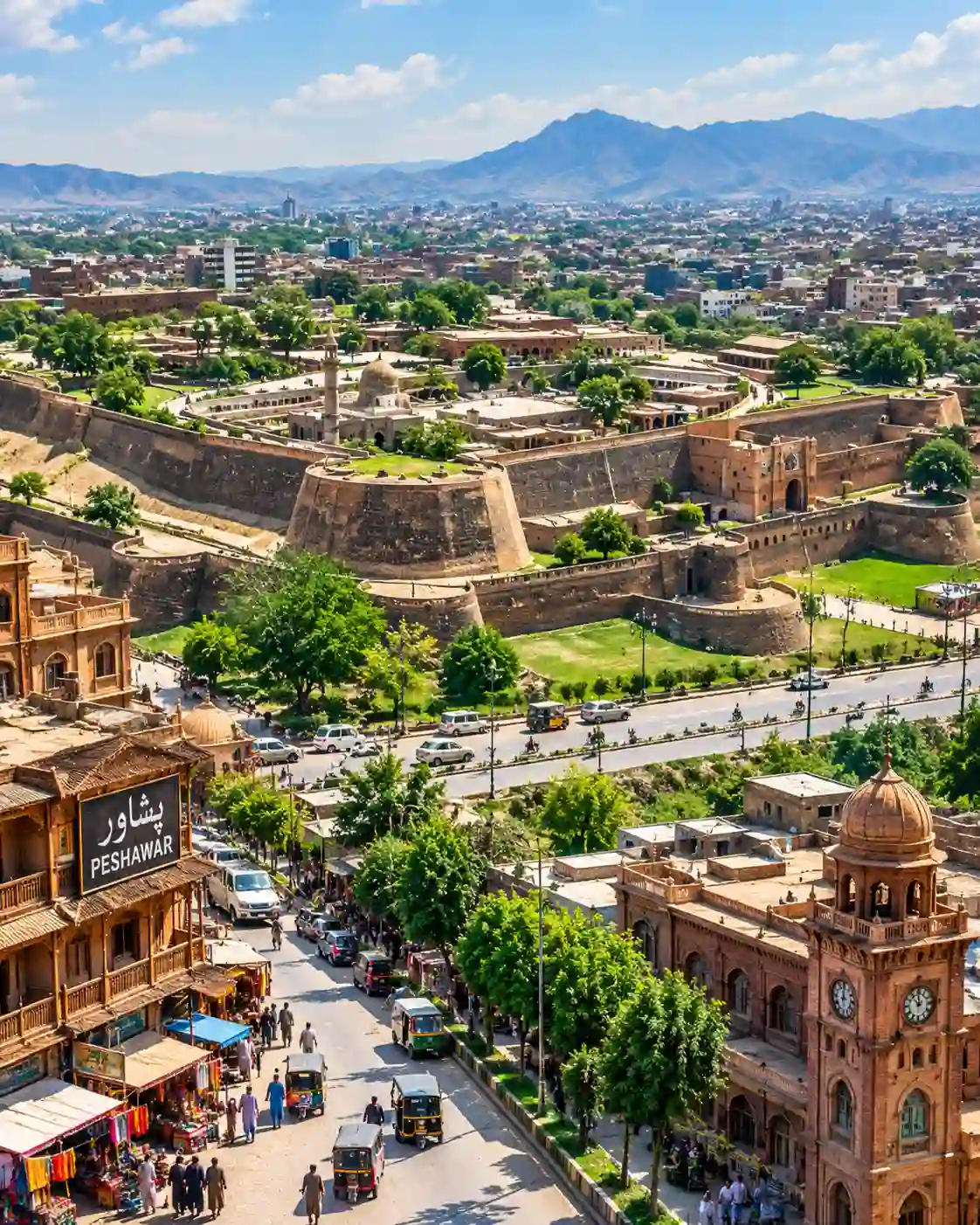
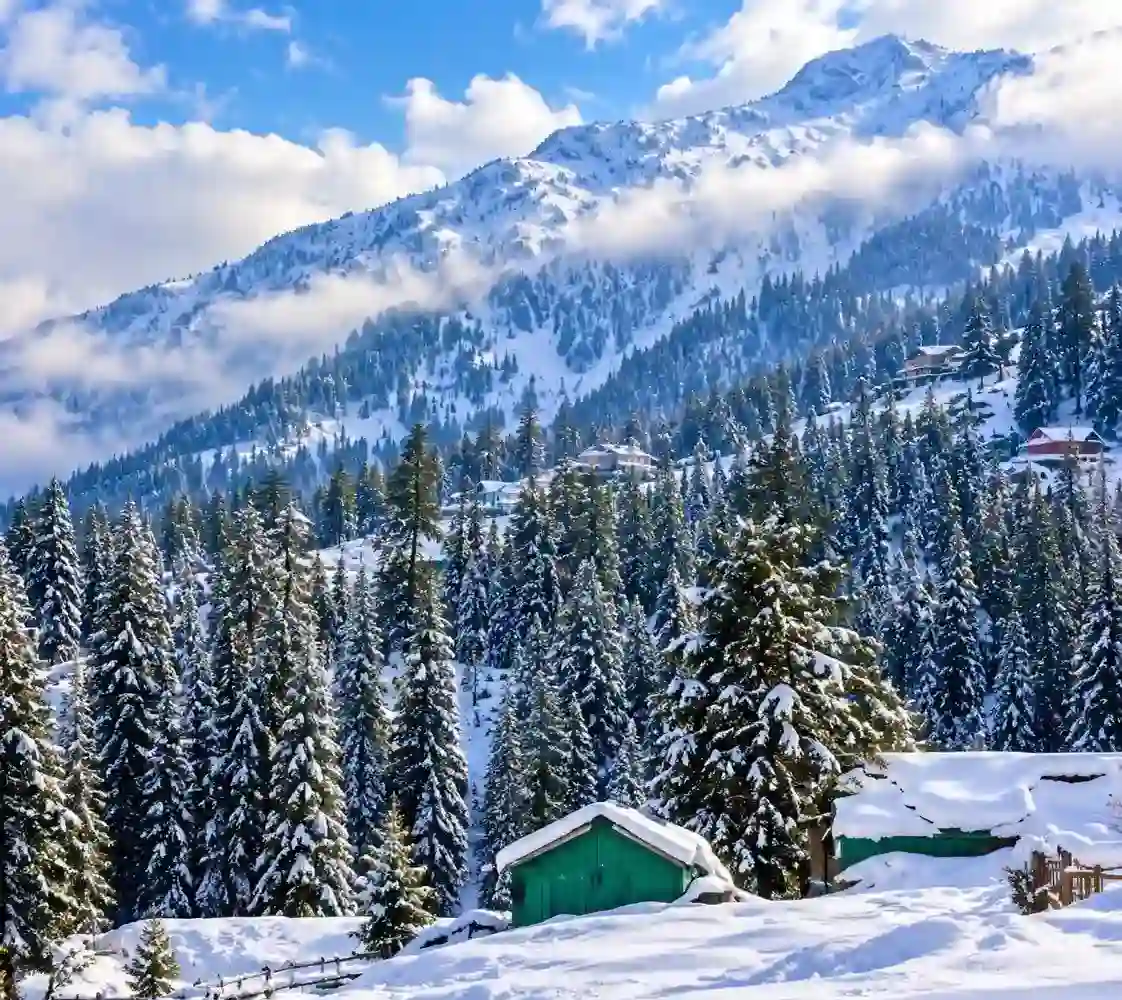
Pakistan is a country of remarkable contrasts. Its landscapes include the high mountains of the north, green valleys, deserts, historic cities, archaeological remains and a long Arabian Sea coastline.
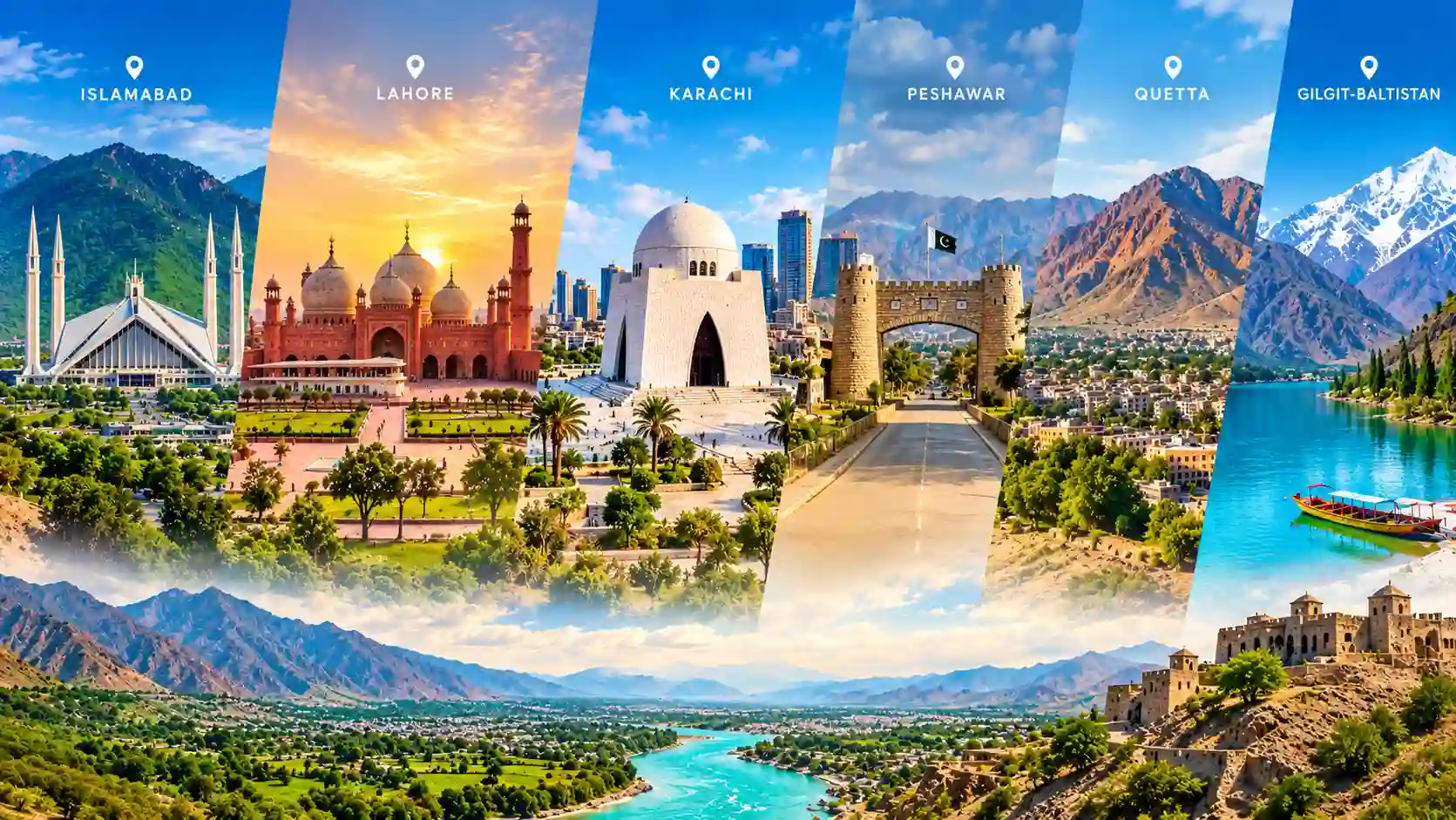
The right destination depends on the kind of journey you want to experience. A mountain adventure might take you to Hunza or Skardu. A history-focused trip might lead to Lahore's historic landmarks or the remains of the ancient Indus Valley Civilization. Islamabad offers a greener, more relaxed urban setting, while Karachi introduces visitors to a diverse coastal metropolis.
This guide introduces 12 destinations across Pakistan and explains what makes each place interesting, who may enjoy it and what to consider when planning a visit.
A note before planning your journey
Destination inspiration is not a guarantee that travel is currently safe or permitted. Security advice, weather, road access, permits and transport availability can change. Review official guidance before booking, especially for remote mountain areas and regions with travel restrictions.
Start with These Four Destinations
If you are deciding where to begin, these four places represent several different sides of Pakistan.
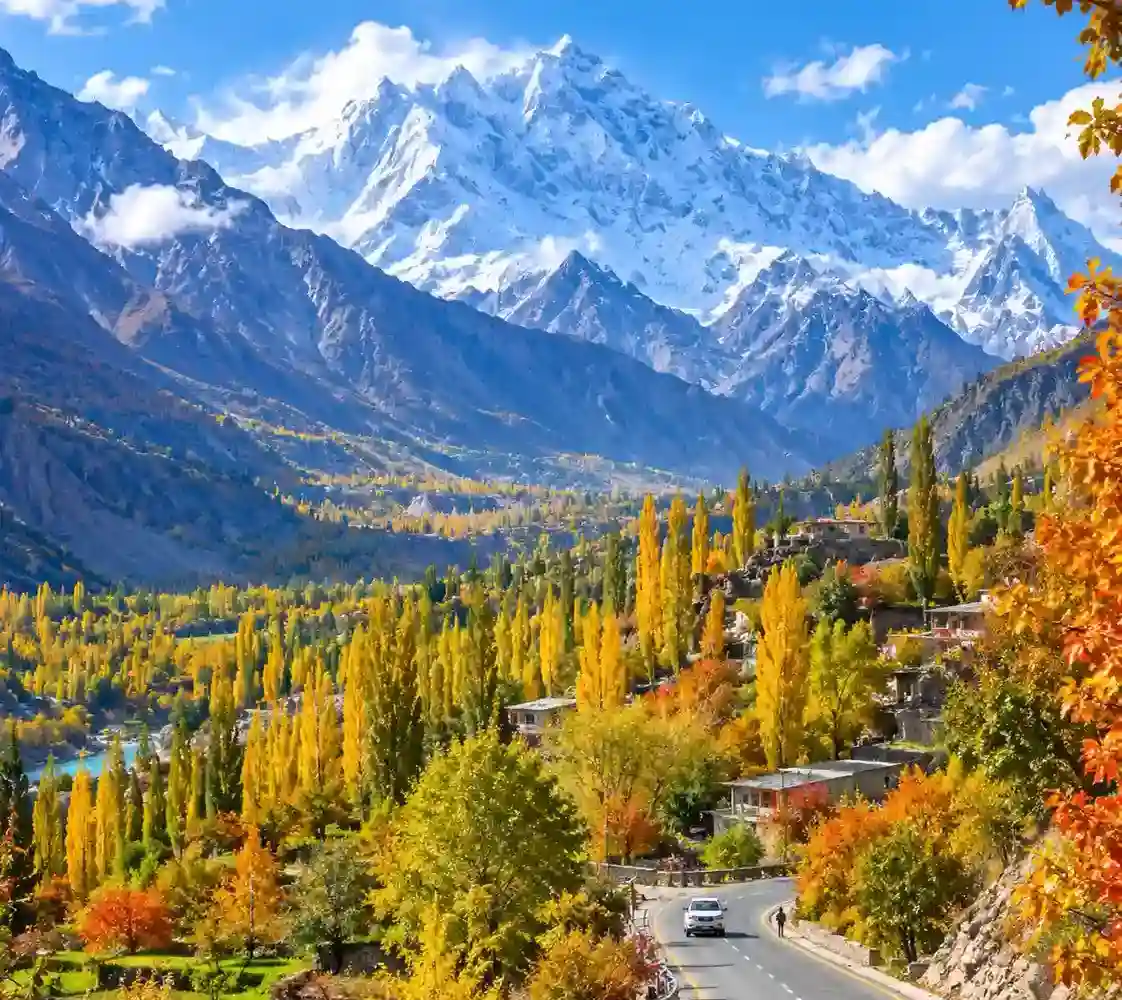
Hunza Valley
Best known for spectacular mountain views, historic forts, mountain villages and the landscapes around Attabad Lake and Passu.
Read the Hunza guide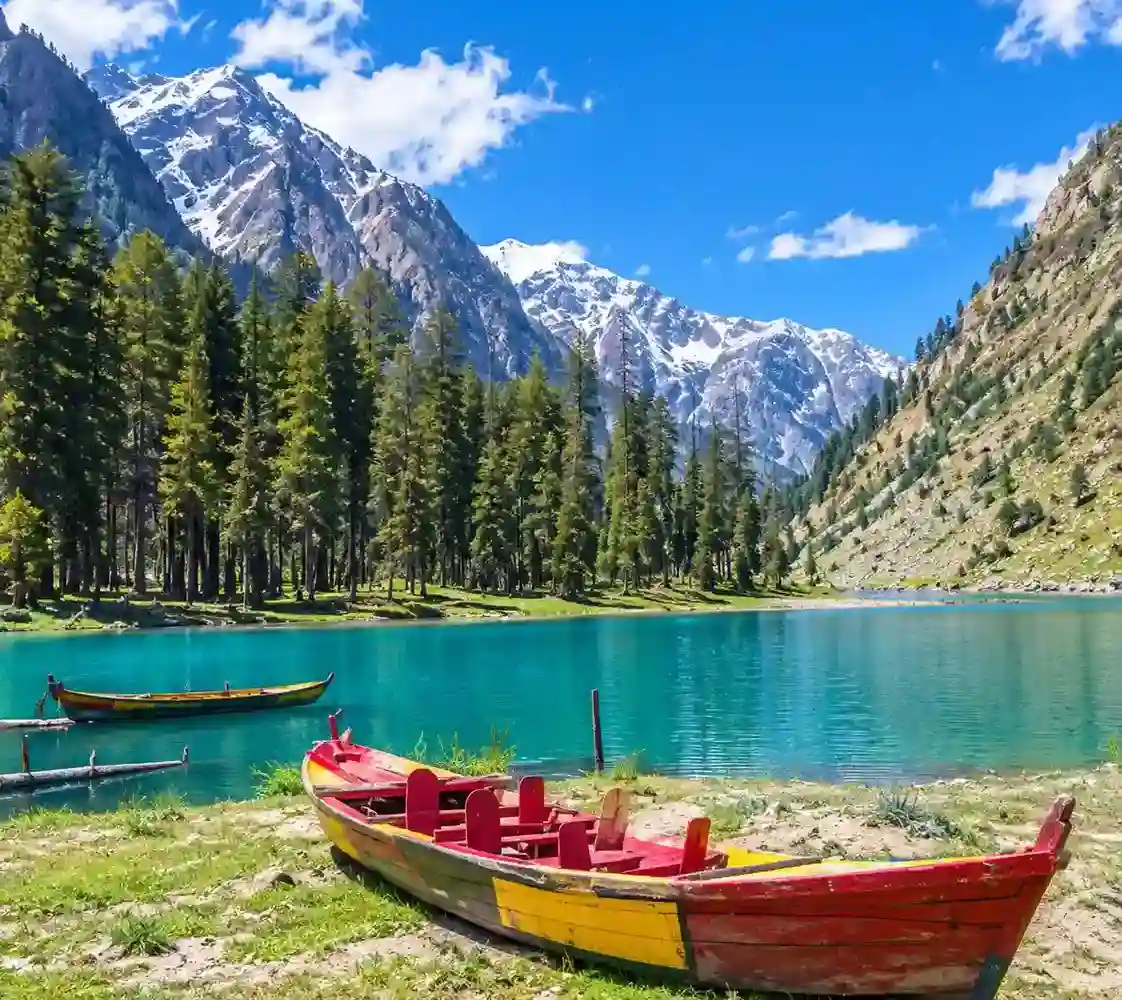
Skardu
A gateway to dramatic mountain scenery, high-altitude landscapes, lakes and historic settlements in Baltistan.
Read the Skardu guide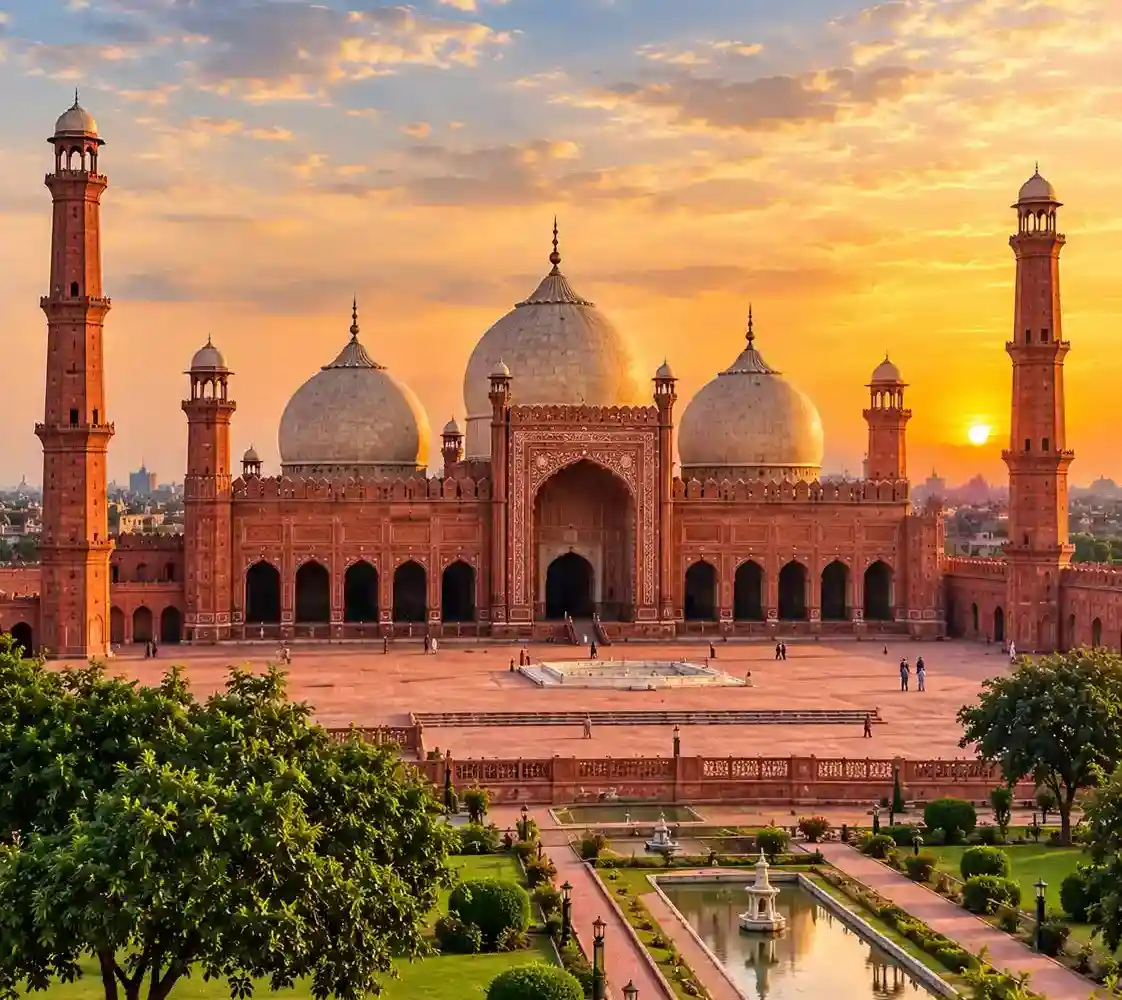
Lahore
Explore Mughal architecture, historic neighbourhoods, museums, gardens and a famous food culture.
Read the Lahore guide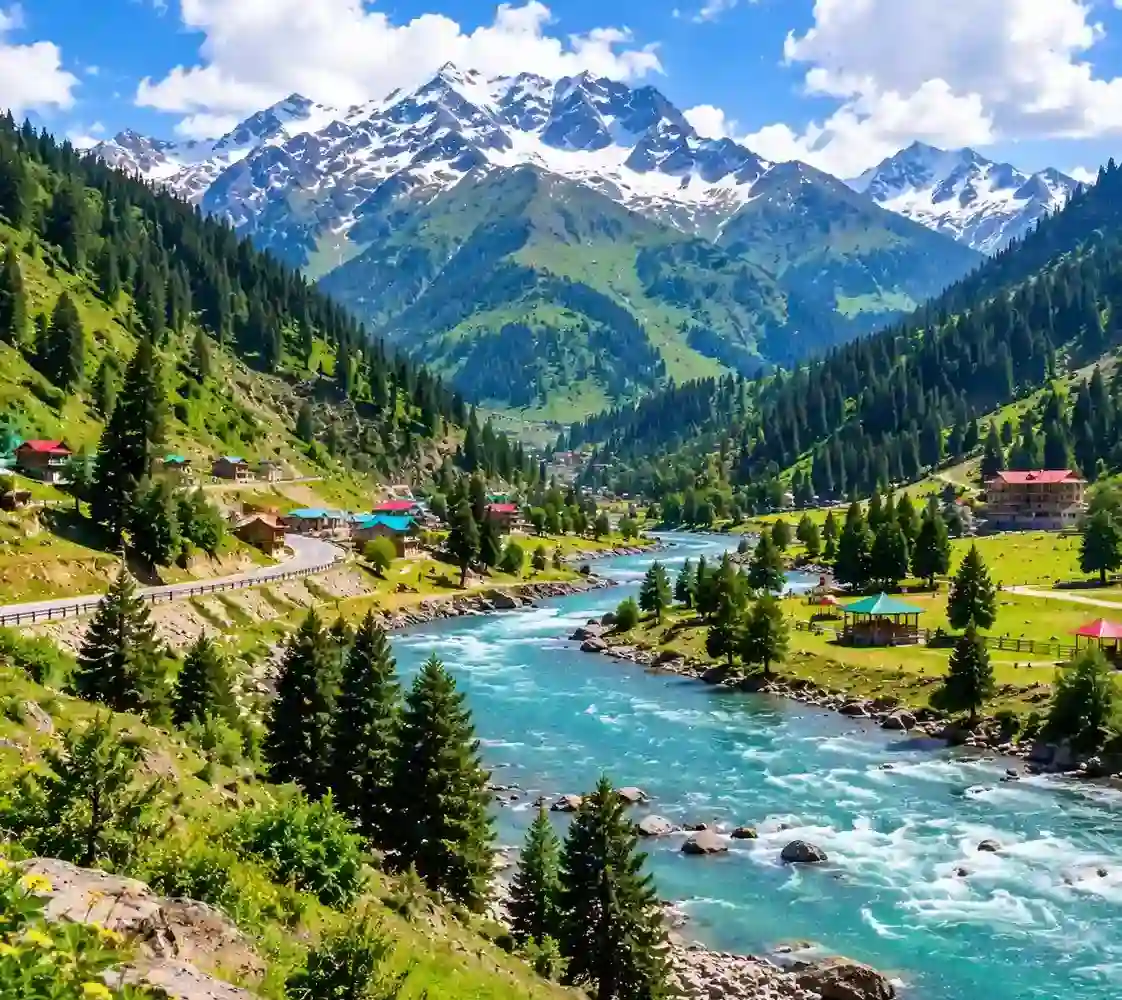
Naran-Kaghan Valley
Known for mountain roads, river scenery and lakes, with seasonal access affecting some upper-valley excursions.
Read the Naran-Kaghan guideBest Mountain Destinations in Pakistan
Pakistan's northern regions attract travellers with their mountain ranges, valleys, lakes and high-altitude landscapes. Travel times, weather and road access can vary substantially, so allow flexibility in your plans.
Hunza Valley
Hunza is one of Pakistan's best-known mountain destinations. The wider valley is associated with dramatic Karakoram views, traditional settlements, historic forts and routes passing impressive peaks.
Travellers often plan visits around Karimabad, Baltit Fort, Altit Fort, Attabad Lake and the Passu area. Spring brings blossom in suitable locations, while summer is popular for road trips and mountain sightseeing. Autumn colours can also make the valley especially appealing.
Hunza suits travellers interested in photography, mountain scenery, cultural heritage and multi-day road journeys.
Best for: mountain scenery and heritageSkardu and Baltistan
Skardu is a useful base for exploring parts of Baltistan, a region of dramatic mountains, lakes, valleys and cultural landmarks. The surrounding landscape contrasts sandy terrain with water and steep mountain walls.
Popular points of interest include Upper and Lower Kachura lakes, Shigar Fort, Khaplu, Sadpara Lake and the Katpana area. Deosai National Park is another famous destination, but access is seasonal and must be checked before setting out.
Skardu can work well for travellers who want a longer northern itinerary. Build in time for transport delays and allow extra days if visiting remote valleys.
Best for: lakes, valleys and mountain tripsFairy Meadows
Fairy Meadows is famous for its grassland setting and views toward Nanga Parbat, one of the world's highest mountains. The journey is an adventure in itself and may involve rough-road transport followed by trekking.
This destination is better suited to travellers who are comfortable with remote mountain environments, basic facilities and changing weather. Suitable footwear, warm layers and local route guidance are important.
Do not assume the access road or hiking route is open. Check the local situation, weather, road status and security advice before making arrangements.
Best for: trekking and mountain photographyNaran-Kaghan Valley
Naran-Kaghan is known for the Kunhar River, forested slopes, alpine lakes and scenic mountain roads. Naran is commonly used as a base for excursions in the upper valley.
Lake Saif-ul-Malook, Lulusar Lake and Babusar Top are among the best-known attractions in the wider area. These places are not always accessible at the same time of year: snow, rainfall and road conditions affect access to high-altitude routes.
A summer trip may offer several sightseeing opportunities, but visitors should confirm transport arrangements and avoid trying to cover every location in one day.
Best for: scenic drives and lakesSwat Valley
Swat combines river scenery, forested mountains, settlements and archaeological heritage. The broader region includes destinations such as Kalam, Malam Jabba and cultural sites around Mingora and Saidu Sharif.
Visitors interested in history can explore Swat's museum collections and archaeological background. Nature lovers may be drawn to the upper valley's forests, rivers and lakes.
Important: The UK FCDO's regional advice, checked in October 2026, advises against all travel to Swat District. Travellers covered by that advice should follow it and check the latest official position before making any plans.
Best for: scenery and cultural historyBest Cities and Cultural Destinations
Pakistan's cities offer a different kind of journey: historic buildings, museums, food, architecture, markets and urban culture. These places can also add cultural context to a trip focused mainly on nature.
Lahore
Lahore is a major destination for travellers interested in history, architecture and food. Its Mughal heritage includes Lahore Fort and Badshahi Mosque, while the Walled City contains historic streets, markets and architectural details.
Other experiences can include museums, gardens, cultural institutions and regional Punjabi dishes. Lahore rewards visitors who leave time for walking and exploring beyond a short list of famous landmarks.
For the best experience, plan outdoor sightseeing around the weather, respect site rules and check opening arrangements before visiting specific attractions.
Best for: architecture, food and historyIslamabad
Islamabad offers a relatively planned urban layout, tree-lined avenues, green spaces and views toward the Margalla Hills. Faisal Mosque is one of its best-known landmarks.
Visitors may also consider the Pakistan Monument, Lok Virsa Museum, Daman-e-Koh and public viewpoints around the hills. The city is a convenient starting point for journeys into northern Pakistan, although mountain destinations can require long drives and separate planning.
Check any security updates, road restrictions and attraction opening hours that may affect your dates.
Best for: city sightseeing and day tripsKarachi
Karachi is a vast coastal metropolis where food, commerce, history and seaside life intersect. It offers a very different atmosphere from the mountainous north.
Potential points of interest include the Quaid-e-Azam Mausoleum, Mohatta Palace, museums, selected heritage areas and the coastline. Karachi's food scene includes a broad mix of Pakistani and regional influences.
The city is large, so plan transport and routes carefully. Seek current local security guidance and use trusted transport arrangements. Conditions may vary significantly between neighbourhoods.
Best for: urban culture, food and coastlineMultan
Multan is widely associated with its historic shrines, Sufi heritage, blue-tiled decoration and traditional crafts. The city offers insight into a different side of Punjab from Lahore's Mughal landmarks.
Visitors can explore historic religious sites, local bazaars and craft traditions while learning about the city's spiritual and commercial history.
Temperatures can become extremely hot in the warmer months. Plan outdoor sightseeing for cooler hours, carry water and follow local entry requirements at religious sites.
Best for: heritage and traditional craftsAncient Heritage and Remarkable Landscapes
Pakistan's historical and natural sites extend well beyond its most famous northern valleys and major cities.
Mohenjo-Daro
Mohenjo-Daro, in Sindh, preserves the remains of one of the major urban settlements of the Indus Valley Civilization, flourishing around the third millennium BCE. Its remains help illustrate early urban planning, buildings and settlement Organization.
The site is especially rewarding for visitors interested in archaeology, ancient history and the development of early cities. Consider a qualified guide or reliable interpretive material to give the ruins context.
Check access arrangements and local conditions before travelling. Protect fragile remains by following visitor rules and staying in designated areas.
Best for: archaeology and ancient historyChitral and Kalash Valleys
Chitral and its surrounding mountain valleys are known for distinctive landscapes and cultural traditions. The Kalash communities of the region have a unique cultural heritage, including traditional festivals, crafts and community life.
Visitors should approach cultural experiences respectfully: ask before taking photographs, follow guidance from local hosts and avoid treating community traditions simply as tourist spectacles.
Route planning is especially important in remote mountain regions. Check official security advice, road conditions and any permissions required for your intended route.
Best for: cultural learning and mountain sceneryHingol National Park and the Makran Coast
Hingol National Park in Balochistan is known for unusual rock formations, desert-like landscapes, canyons and coastal scenery. The wider Makran coastal route offers a striking contrast to Pakistan's green northern valleys.
These landscapes may appeal to travellers interested in geology, photography and remote road trips. Because services and facilities can be limited, route planning and reliable local information are particularly important.
Important: The UK FCDO's regional guidance checked in October 2026 advises against all travel to Balochistan. Travellers covered by that guidance should follow it rather than planning a recreational trip there.
Known for: coastal geology and wild landscapesWhat Is the Best Time to Visit Pakistan?
There is no single perfect travel season for every part of Pakistan. Elevation, regional climate, road conditions and the places you want to see all influence the best dates for a trip.
Spring
Spring can suit visits to selected cities and lower valleys. Some northern areas may still experience snow or restricted road access, especially at higher elevations.
Summer
Summer is a popular time for many northern mountain destinations. Roads can become busy and some high-altitude routes remain dependent on seasonal conditions.
Autumn
Early autumn can bring cooler conditions and changing colours in suitable valleys. Confirm transport schedules and upper-route access before travel.
Winter
Winter can suit cultural sightseeing in some southern and central cities. Heavy snow may close mountain roads, while hot-weather destinations may be more comfortable than in summer.
Don't rely on the calendar alone
A route that is commonly accessible in one month may still be affected by weather, road damage, local restrictions or security conditions in another year. Confirm access shortly before departure.
A Sample 10-Day Pakistan Itinerary
A ten-day trip can introduce visitors to several different aspects of the country, but it is generally better to choose a manageable number of places rather than trying to cover every region in one journey.
Route and safety checks come first
This is an illustrative planning framework, not a recommendation to travel to every location now. Review current official advice before choosing destinations; remove any location or route covered by a relevant travel warning.
Islamabad
Begin with city landmarks, museums and suitable public viewpoints. Use the first days to adjust to the journey and arrange onward travel.
One Northern Region
Choose a northern area only after confirming current travel advice, routes and transport. Concentrate on a single region such as Hunza or Skardu if your available transport connections allow it.
Return and Rest
Allow time for the return journey, flight changes, road delays and rest. Avoid arranging an important international connection directly after a long mountain drive.
Lahore or Another Approved City
If transport and your overall schedule permit, finish with historic architecture, museums and local food in Lahore or another suitable city.
Practical Tips for Travelling in Pakistan
Thorough planning can make travel easier and help you adapt when transport, weather or access conditions change.
1. Check Official Travel Advice
Review the most recent guidance from your country's foreign ministry. Advice can differ by district and may change at short notice.
2. Plan Transport Carefully
Mountain and rural journeys can take longer than expected. Confirm road access, transport arrangements and possible overnight stops.
3. Confirm Seasonal Access
High mountain passes, remote lakes and rough tracks may be inaccessible during some periods. Ask reliable local sources before departing.
4. Dress Respectfully
Choose practical, locally respectful clothing, particularly when visiting religious sites, rural communities and cultural events.
5. Prepare for Different Weather
Pack layers for mountainous locations, rain protection where appropriate and sun protection for exposed, high-altitude or desert areas.
6. Keep Essential Information
Save accommodation details, offline maps, emergency contacts and important documents securely. Do not rely solely on mobile data.
7. Respect Local Communities
Ask before photographing people, follow local instructions and treat religious, archaeological and community sites with care.
8. Leave Natural Areas Clean
Take rubbish away, stay on appropriate trails and avoid disturbing wildlife or damaging fragile historic remains.
Frequently Asked Questions
What is the most beautiful place in Pakistan?
There is no single answer. Travellers who prefer mountain scenery may favour Hunza or Skardu, while history lovers may prefer Lahore and archaeology enthusiasts may choose Mohenjo-Daro. The best choice depends on your interests, dates and current travel advice.
How many days are enough to explore Pakistan?
There is no fixed duration. A short trip can focus on one city or one region. A longer trip gives more time for different landscapes, but long distances and mountain-road travel need to be considered when planning.
Which places are best for mountain views?
Hunza, Skardu and Fairy Meadows are well-known for mountain scenery. Access, physical demands, season and safety conditions differ, so research each destination before arranging a visit.
Which places are best for history and culture?
Lahore is known for its historic architecture, Multan for its shrine heritage and crafts and Mohenjo-Daro for its archaeological remains. Islamabad also offers museums and national monuments.
Should I check travel advisories before booking?
Yes. Check your government's latest destination-specific advice before booking or travelling. This is particularly important for remote regions, routes affected by seasonal weather and locations covered by official security warnings.
Useful Official Travel Resources
Use current official information to verify attraction details, entry requirements, local restrictions and travel conditions before making a booking.
Official tourism information and general visitor resources for Pakistan.
Government overview of selected landmarks, natural attractions and cultural destinations.
District-specific travel advice for people covered by UK guidance. Visitors from other countries should check their own government's official advice as well.
Travel conditions and advisories may change after this guide is published. Recheck official sources shortly before departure.