1. Why Visit Hunza Valley?
Hunza offers a different experience from Pakistan's larger cities. Its attractions combine mountain scenery with historical architecture and established village communities.
For many travellers, the main appeal is the opportunity to appreciate the landscape at a slower pace, explore heritage sites, visit lakeside viewpoints and learn about the traditions of northern Pakistan.
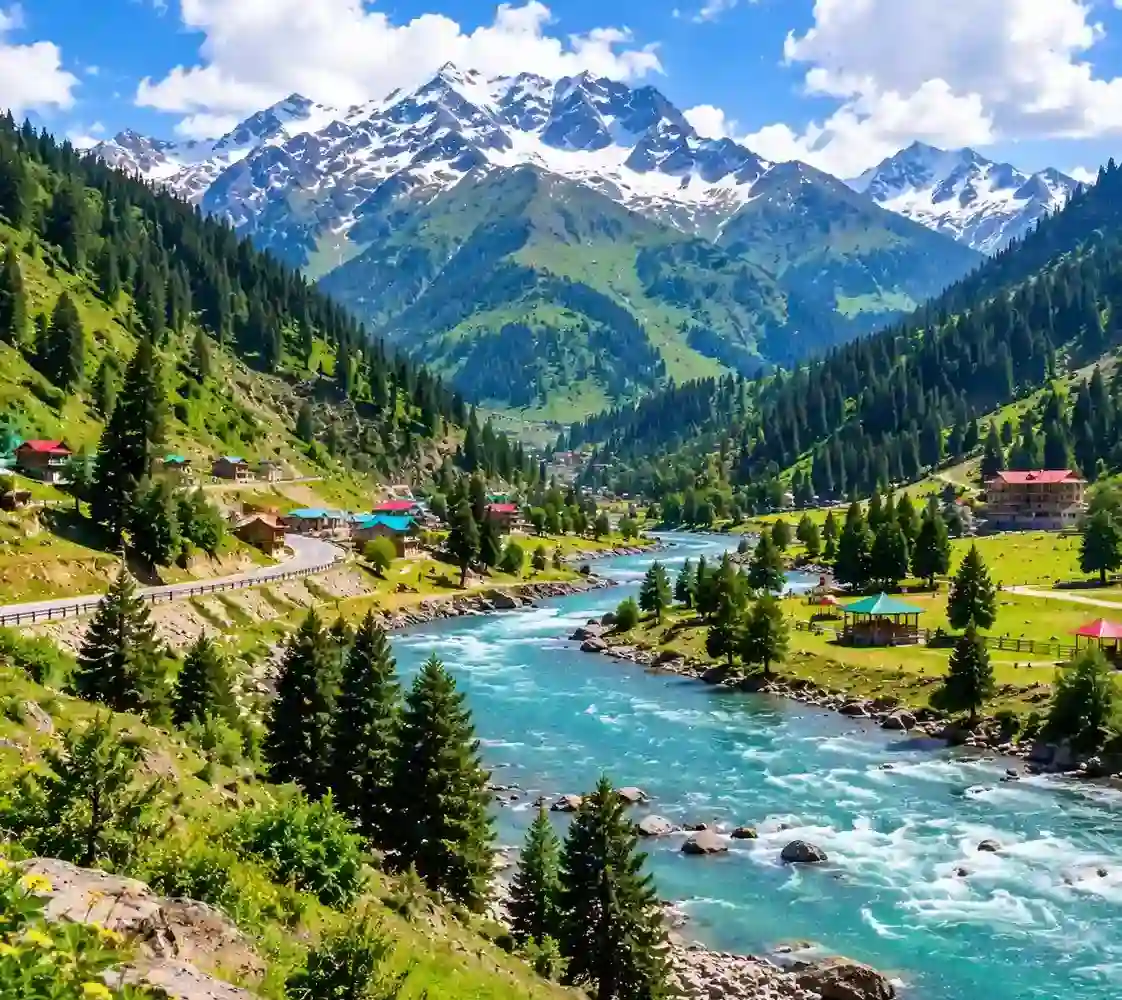
- Mountain scenery: Views of the Karakoram range and distinctive peaks surrounding Hunza's settlements.
- Historic forts: Baltit Fort and Altit Fort preserve important parts of the region's architectural and political history.
- Turquoise lake landscapes: Attabad Lake is among the region's best-known natural attractions.
- Traditional villages: Ganish, Gulmit and Passu offer opportunities to learn about settlement patterns and local life.
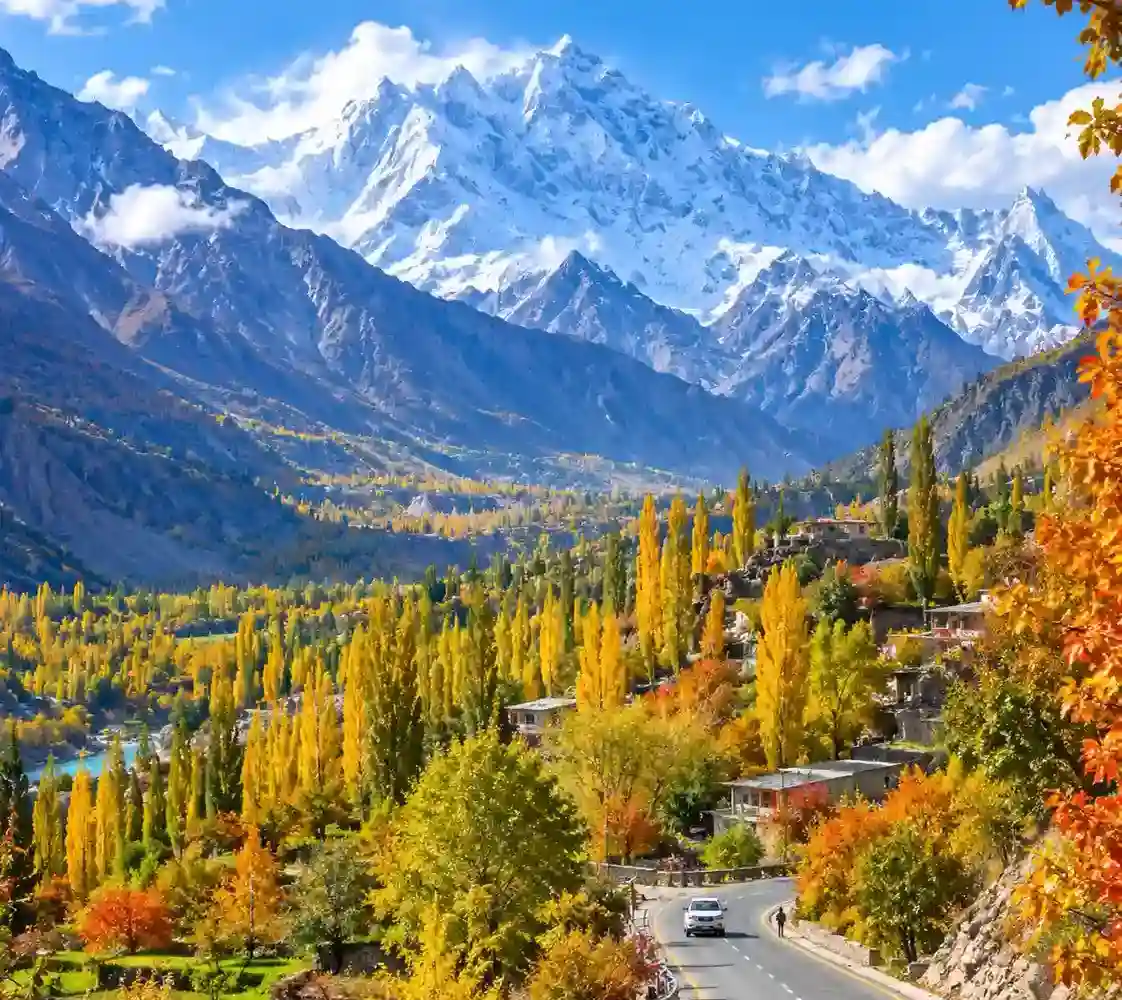
- Seasonal scenery: Spring blossoms and autumn foliage create different landscapes throughout the year.
- Local food and culture: Experience regional dishes, traditional music, fruit orchards and local craftsmanship.
2. Best Places to Visit in Hunza
The following attractions are among the recognised highlights of Hunza and the surrounding area. Travel time, access and opening arrangements vary. Verify conditions before arranging a journey.
Baltit Fort
Located above Karimabad, Baltit Fort is one of Hunza's best-known heritage landmarks. Its traditional construction and elevated setting offer insight into the history of local rulers and the development of the surrounding settlement. Check opening times, access arrangements and current ticket details before visiting.
History and architectureAltit Fort
Altit Fort is a historic fortified residence associated with the rulers of Hunza. Its restoration has helped preserve an important part of the region's architectural heritage. Visitors can learn about its history through the heritage centre when open.
Heritage conservationAttabad Lake
Attabad Lake formed after a major landslide in January 2010 blocked the Hunza River. Today, its striking blue water and surrounding mountains make it one of the region's most recognisable landscapes. Confirm road and activity conditions before visiting.
Lake and mountain sceneryPassu Cones
The sharp, distinctive peaks known as Passu Cones rise above Passu village in Upper Hunza. They are a prominent feature of the landscape along the Karakoram Highway and a popular subject for mountain photography.
Mountain viewpointsKarimabad
Karimabad is a well-known settlement and visitor base in central Hunza. Its shops, guesthouses, mountain views and access to nearby heritage sites make it useful for planning a regional itinerary.
Local culture and accommodationDuikar and Eagle's Nest Viewpoints
The Duikar area is associated with panoramic views over parts of central Hunza. Sunrise and sunset can produce changing mountain colours. Access involves mountain roads, so check weather, road conditions and transport arrangements.
Scenic viewpointsGulmit Village
Gulmit lies in Upper Hunza and is associated with Wakhi cultural traditions. The surrounding landscape includes mountain views, traditional settlements and access to nearby viewpoints and villages.
Village life and cultureGanish Historic Settlement
Ganish is recognised for its historic settlement, old watchtowers, mosques and heritage structures. It provides a perspective on community life and defensive architecture in the Hunza region.
Historic villageBorith Lake
Borith Lake is a high-altitude lake in the Hunza area. The surrounding landscape appeals to visitors interested in quiet viewpoints and nature. Road access, weather and walking conditions should be checked before planning a visit.
Nature and photographyHussaini and Upper Hunza
The Hussaini area offers views of the surrounding mountain landscape and traditional villages. Activities near bridges, rivers or exposed terrain require particular care. Follow current restrictions and avoid unsafe crossings.
Upper Hunza landscapesPassu Village
Passu is a traditional settlement framed by dramatic mountain peaks. Village walks may provide an introduction to local landscapes and Wakhi culture when road and security conditions permit.
Village sceneryKhunjerab Pass
Khunjerab Pass is a high mountain border crossing between Pakistan and China. It is not an ordinary sightseeing extension: border rules, permits, operating schedules and severe weather may affect access. Check official requirements before considering this journey.
High-altitude border region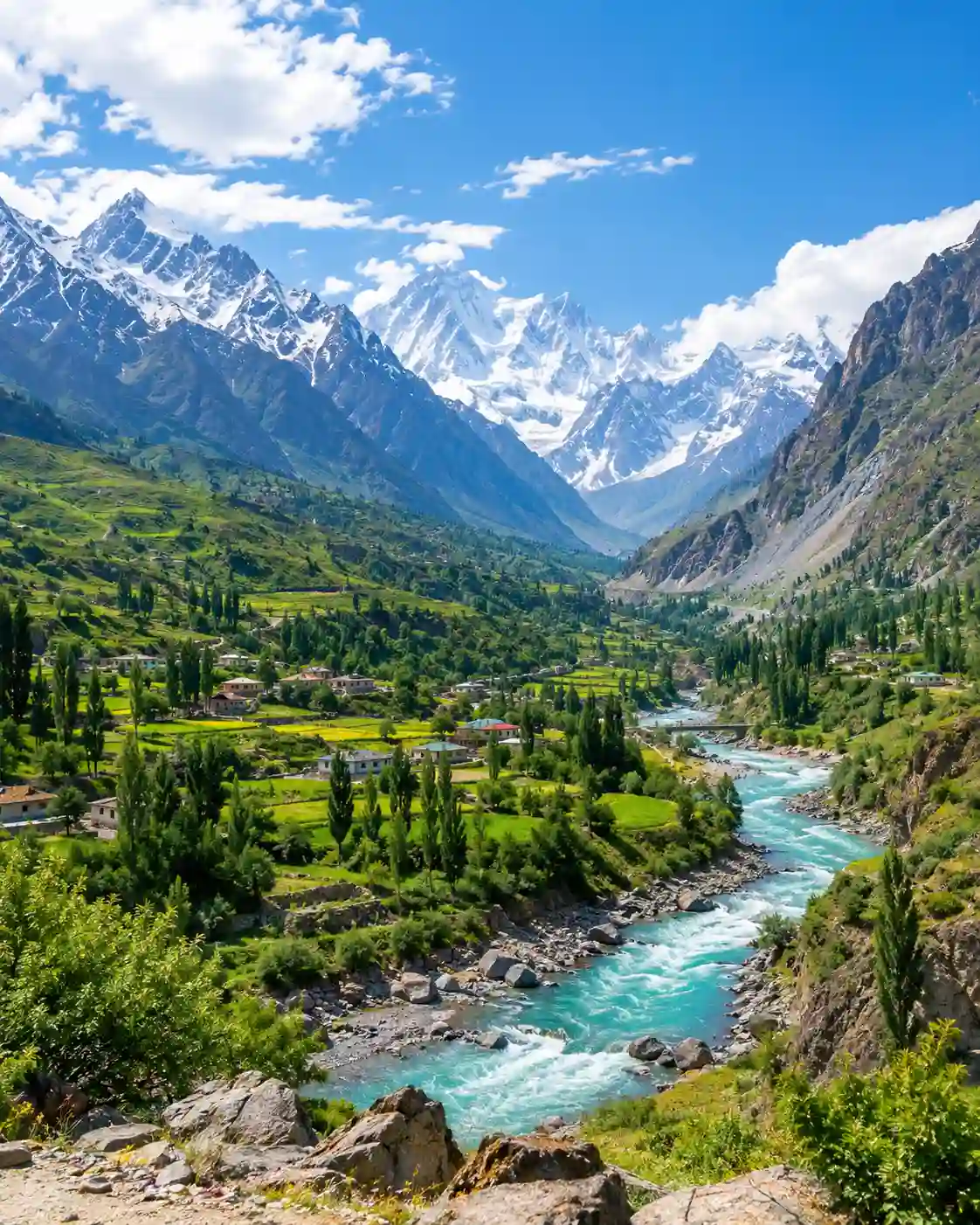
For official information about Hunza's attractions, visit the Government of Gilgit-Baltistan's Hunza tourism page. Its tourism listings cover attractions including Altit Fort, Baltit Fort, Attabad Lake, Karimabad and other destinations in the district.
3. Best Time to Visit Hunza Valley
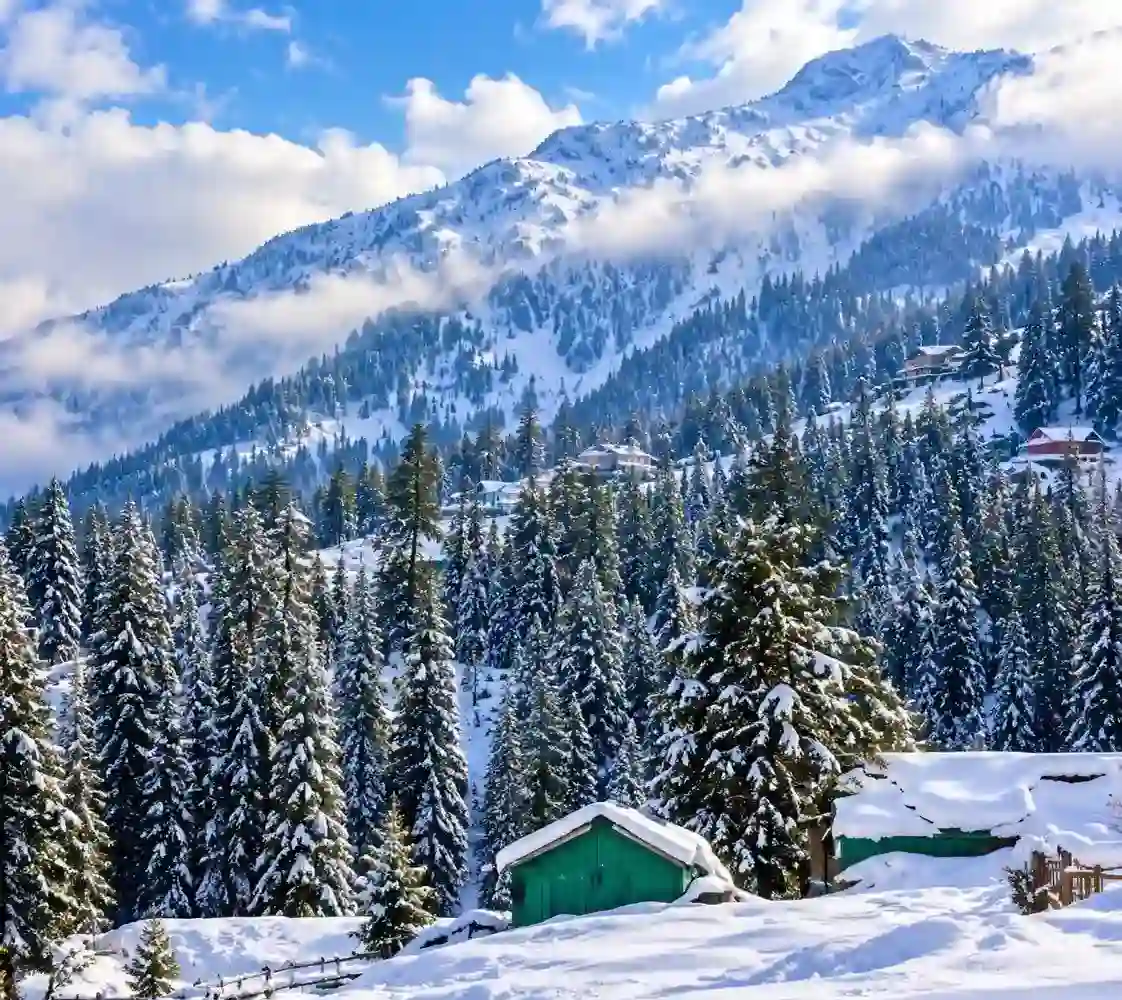
Hunza's seasons create very different landscapes. Spring is associated with orchard blossoms, summer brings greener valley scenery and autumn is known for changing foliage. Winter can bring snow, cold temperatures and restricted access to some roads and activities.
March–April: Spring Blossoms
Some orchards begin to blossom during spring, depending on elevation and weather. Conditions vary from village to village, so confirm seasonal timing close to the intended dates.
May–August: Green Landscapes
Warmer months can be suitable for many valley activities, but mountain weather remains changeable. Snowmelt, landslides, rain or road works can affect transport and walking routes.
September–October: Autumn Colours
Autumn is widely appreciated for the changing colour of trees and orchards. Peak foliage varies by altitude and year, so dates cannot be guaranteed.
November–February: Winter
Cold weather and snow can make travel more difficult. Some facilities may have changed operating schedules and road accessibility needs careful verification.
These are general seasonal patterns, not a weather forecast. Check the Pakistan Meteorological Department and current local road updates before making any permitted journey.
4. How to Reach Hunza Valley
Travel to Hunza generally involves reaching Gilgit-Baltistan and continuing by road towards the Hunza district. The right option depends on departure point, weather, service availability, security advice and the exact route.
By Road
The Karakoram Highway connects areas of northern Pakistan and passes through the Hunza region. Journeys can be affected by landslides, road damage, snowfall, construction, closures and security restrictions.
The UK FCDO currently advises against all travel on a particular section of the Karakoram Highway between Mansehra and Chilas. This may directly affect commonly considered road journeys from Islamabad towards Hunza. Review the warning and obtain reliable local information rather than assuming that a route is available.
By Air
Some travellers consider flights to Gilgit followed by onward road travel. However, northern flights can be delayed or cancelled because of weather and operational conditions. Check current schedules with the airline and allow flexibility for onward connections.
Local Transport
Depending on local availability, travellers may use private drivers, taxis or locally arranged transport. Longer distances between villages and attractions make advance planning useful.
Road Travel Checklist
- Read current official advice for the exact route you intend to use.
- Confirm road closures and recent conditions with reliable local sources.
- Avoid night driving on mountain roads.
- Use an experienced driver familiar with local conditions.
- Keep contingency time for delays and interrupted travel.
- Do not continue along a route if official authorities instruct travellers not to proceed.
Visit the official Gilgit-Baltistan Tourism Department for regional information and alerts.
5. Where to Stay in Hunza
Hunza has a variety of accommodation options, including guesthouses, family-run lodges, hotels and properties with mountain views. The best base depends on your planned activities and road access.
Karimabad
A useful base for people interested in Baltit Fort, the historic settlement and nearby central Hunza attractions. Compare access, walking distances and the exact location before booking.
Aliabad
Aliabad is a commercial centre in the Hunza district. It may suit travellers looking for access to services, shops and transport connections.
Gulmit and Upper Hunza
Accommodation in Upper Hunza may provide a convenient starting point for exploring nearby settlements and mountain landscapes. Confirm seasonal availability and road access.
Passu Area
Guesthouses and smaller lodges can offer access to the surrounding peaks and village landscape. Check heating, meals, transport and weather-related cancellation arrangements.
Before booking, check recent reviews, cancellation terms, heating in colder months, electricity availability, mobile connectivity and access to medical help. Ask the property about current road conditions and how they arrange local transport.
For high-altitude or remote stays, confirm how guests will communicate in emergencies and what transport support the property can provide.
6. Local Culture, Language and Traditions
Hunza has a distinctive cultural identity shaped by mountain geography, local history, agriculture, community life and links with neighbouring regions. Burushaski, Shina and Wakhi are among the languages spoken within the district.
Urdu and English are also used in many visitor-facing settings, although the languages people speak can vary by village and household.
The region is known for traditional music, celebrations, crafts, local architecture and fruit growing. Visitors can learn more through heritage sites and respectful interaction with community members when travel conditions permit.
Respectful Travel Practices
- Dress respectfully: Choose clothing appropriate for local customs, villages and religious spaces.
- Ask before photographing: Obtain permission before taking close-up photographs of people or private homes.
- Respect local property: Stay on suitable paths and avoid entering fields, orchards or private land without permission.
- Support local businesses: Consider locally produced crafts, guesthouses, food and responsible guiding services.
- Protect the environment: Take waste away with you and avoid disturbing wildlife or fragile landscapes.
- Follow local guidance: Residents and qualified guides may know about access restrictions, changing weather and local customs.
7. What to Eat in Hunza
Hunza's food culture reflects local agriculture, mountain conditions and the culinary traditions of northern Pakistan. Menus vary by village, season and accommodation.
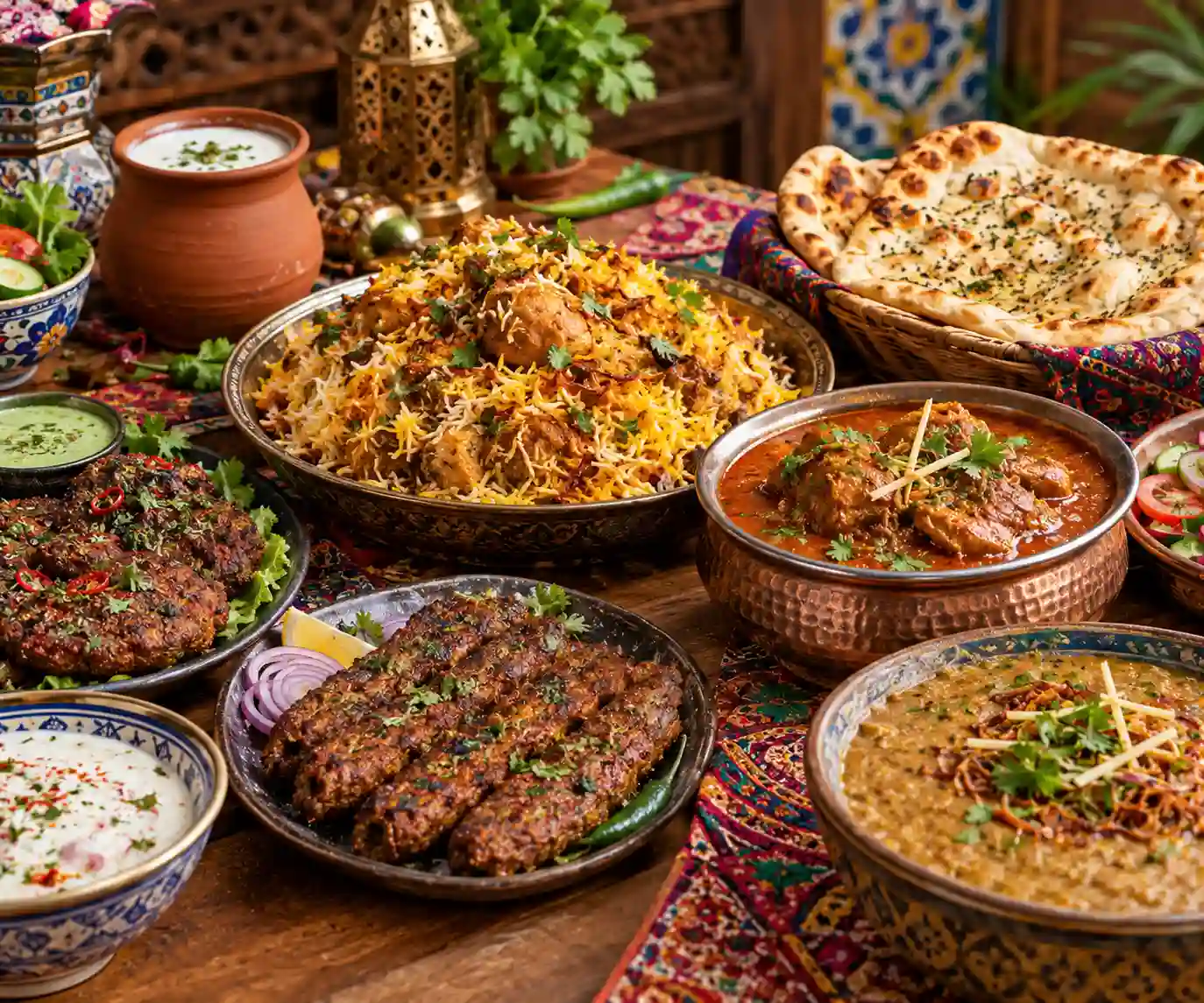
Chapshuro
A traditional regional meat-filled pastry or flatbread often associated with Hunza and nearby areas. Ingredients and preparation vary between cooks.
Diram Pitti
A traditional food made from sprouted wheat and commonly associated with the region. Recipes and serving styles vary.
Local Apricots
Apricots are closely associated with Hunza's orchards. Fresh and dried fruit may be available depending on the season.
Walnuts and Other Nuts
Local nuts and dried fruit can be found in shops and markets. Check the packaging, freshness and storage conditions.
Regional Soups and Noodles
Some local meals use warming soups, handmade noodles and other traditional ingredients suited to mountain communities.
Tea and Local Hospitality
Tea is common in many social settings. Ask about ingredients and enjoy local food in reputable establishments.
Food Safety Tips
- Choose reputable eateries with sound food hygiene.
- Drink sealed bottled water from a reliable source or properly treated water.
- Ask about ingredients if you have allergies or dietary restrictions.
- Pack local food purchases appropriately for a long journey.
- Remember that food availability may be more limited in smaller or remote settlements.
Read our Pakistani Food Guide for more regional dishes and traditional culinary experiences.
8. A Sample Five-Day Hunza Itinerary
The following itinerary is a planning framework for a future trip or for travellers whose circumstances and current official guidance permit travel. It must not be used to override warnings about roads, borders or security conditions.
Settle In and Adjust to the Region
Arrival: If travel is permitted, reach your accommodation according to the approved route and confirmed transport arrangements.
Afternoon: Rest, hydrate and take time to adjust to the altitude and local conditions. Keep activity light.
Evening: Review the next day's weather, road information and any site-opening arrangements with reliable local contacts.
Explore Hunza's Architectural Heritage
Morning: Consider Baltit Fort if visitor access is available and conditions are suitable.
Afternoon: Visit Altit Fort or explore an appropriate part of the historic settlement, subject to opening arrangements and your mobility needs.
Evening: Enjoy a locally prepared meal and prepare for the next day's journey.
See the Turquoise Lake Landscape
Morning: Travel toward Attabad Lake only if the selected road route is open and consistent with current advice.
Afternoon: Enjoy suitable viewpoints. Boating or other activities should be considered only with authorised operators, appropriate equipment and suitable weather.
Evening: Return to the confirmed accommodation before road conditions or visibility deteriorate.
Discover Upper Hunza's Landscape
Morning: If road access is suitable, consider travelling toward Gulmit and viewing the surrounding mountain scenery.
Afternoon: Continue toward Passu only if conditions permit. Respect village property and avoid unsafe walks around glaciers, water or exposed terrain.
Evening: Return according to local route advice and the transport plan.
Finish Slowly and Prepare for Onward Travel
Morning: If arrangements allow, explore local craft shops or purchase regional food products.
Afternoon: Confirm your departure transport and recheck road or flight updates. Leave a substantial margin for disruption.
Departure: Follow current security advice and proceed only by a permitted route.
Important route note: The Karakoram Highway travel warning discussed earlier may affect the road approach to Hunza. Do not book or undertake this itinerary without confirming the route's status and reviewing the relevant official advisories.
9. Outdoor Activities and Responsible Tourism
Hunza and the surrounding region offer opportunities for scenic drives, village walks, heritage visits and more demanding mountain activities. The level of physical difficulty and potential hazards vary considerably by route.
Scenic Photography
Mountain landscapes, traditional villages, lakes and historic architecture are popular subjects for photography. Changing light can produce dramatic views, but do not stop vehicles in unsafe places or trespass onto private property to obtain a photograph.
Village Walks
Walking routes around settlements may provide insight into traditional building methods, orchards and everyday life. Use suitable paths, respect private land and ask permission before entering fields or taking portraits.
Trekking and Mountaineering
More demanding activities require proper preparation, suitable equipment, knowledge of local conditions and qualified support. Some mountains and routes require permits and the relevant application process may take substantial time.
FCDO advises trekkers to use reputable agencies, remain on established routes and walk in groups rather than alone. Check the official Gilgit-Baltistan guidance for requirements that apply to your intended activity.
Water and Glacier Safety
Lakes, rivers, glaciers and exposed mountain terrain can involve hazards that are not obvious from photographs. Follow authorised activity rules, use suitable equipment and do not approach unstable glacier edges or unsafe water conditions without appropriate guidance.
Responsible Visitor Checklist
- Check current restrictions and any required permits.
- Use qualified local support for challenging mountain activities.
- Do not trek alone in remote terrain.
- Carry appropriate clothing, water, navigation and emergency essentials.
- Do not leave waste in villages, along roads or in natural areas.
- Respect wildlife, community property and traditional land use.
10. Hunza Travel Budget
The cost of a Hunza trip depends on travel dates, accommodation, transport method, meal choices, guide services and outdoor activities. Mountain journeys can also produce unexpected expenses when weather or road disruption changes the itinerary.
Build a realistic budget using current quotes rather than assuming that the entire trip will follow its original schedule.
- Getting there: Compare current flight or road options, but only consider routes consistent with official advice.
- Accommodation: Check nightly rates, heating, meals, taxes and cancellation conditions.
- Local transport: Allow for transfers between villages and attractions, where travel is permitted.
- Food: Budget for meals, drinks and snacks, with consideration for more remote locations.
- Activities: Confirm admission fees, guide costs and permit requirements directly.
- Contingency: Reserve funds for weather delays, alternative accommodation and transport changes.
- Insurance: Understand policy exclusions, especially those concerning official travel warnings, trekking and high-altitude activities.
For general budget planning across the country, read our Pakistan Travel Cost Guide.
11. What to Pack for Hunza Valley
Mountain weather can change with altitude, season and time of day. Pack according to the forecast and your planned activities rather than assuming that summer conditions will be warm everywhere.
- Layered clothing: Bring breathable base layers, a warm mid-layer and suitable outerwear for changing temperatures.
- Sturdy footwear: Choose footwear appropriate for the terrain and the difficulty of any permitted walks or treks.
- Sun protection: Pack sunscreen, sunglasses and a hat.
- Rain protection: A suitable waterproof layer can be useful when the forecast suggests rain.
- Personal medication: Carry essential supplies and understand any altitude-related health considerations relevant to your circumstances.
- Drinking water: Plan access to safe drinking water, especially on longer journeys.
- Travel documents: Keep identification, permits, insurance details and accommodation bookings securely accessible.
- Power and connectivity: Carry suitable charging equipment and keep important information available offline.
- Emergency preparation: Keep local contacts and relevant instructions accessible throughout permitted travel.
See our Pakistan Packing Guide for a broader preparation checklist.
12. Safety, Road Conditions and Permits
Hunza's natural beauty should not distract from the practical challenges of travelling in remote mountain areas. Road closures, landslides, snowfall, flight changes and difficult terrain can affect plans.
The UK FCDO currently identifies a specific section of the Karakoram Highway between Mansehra and Chilas on which it advises against all travel. The same guidance warns about seasonal road restrictions and unreliable flight schedules in Gilgit-Baltistan. Recheck these warnings before choosing an approach route.
Before Travelling
- Read your government's latest Pakistan and Gilgit-Baltistan travel guidance.
- Confirm whether your intended road route is affected by an official warning.
- Verify road closures, landslide reports and seasonal access restrictions.
- Check flight schedules directly with the airline and allow extra time for changes.
- Confirm local registration requirements for foreign nationals visiting Gilgit-Baltistan.
- Obtain required permits before arranging trekking or mountaineering activities.
- Review insurance coverage for mountain activity, altitude and any relevant travel warnings.
While in the Mountains
- Avoid night driving on mountain roads.
- Use experienced drivers familiar with current conditions.
- Do not trek alone; use reputable guides for remote or demanding routes.
- Stay on suitable, established routes and follow local instructions.
- Keep a flexible itinerary and do not continue into unsafe weather or road conditions.
- Inform your accommodation or trusted contact about your plans where appropriate.
Emergency Planning
Before travelling, identify appropriate local emergency contacts and medical services. In remote mountain areas, response times and access may be affected by terrain, weather and road conditions.
For official information, consult the FCDO regional risk guidance and the Gilgit-Baltistan Tourism Department.
This information is for travel planning and is not a guarantee of safety or access. Official warnings and local instructions take precedence over any itinerary in this article.
13. Frequently Asked Questions
Where is Hunza Valley located?
Hunza is a district in Gilgit-Baltistan, northern Pakistan. It includes settlements such as Karimabad, Aliabad, Gulmit and Passu.
What is Hunza famous for?
Hunza is known for mountain scenery, historic forts, Attabad Lake, traditional villages, local food and cultural traditions.
How many days should I plan for Hunza?
A four-to-six-day itinerary can provide time for central Hunza and selected locations farther north. Actual planning depends on route availability, weather and current official travel advice.
When is the best time to visit Hunza?
Spring is associated with orchard blossoms, summer with greener valley landscapes and autumn with changing foliage. Winter can involve substantial cold and access restrictions. Check forecasts and road conditions before travel.
How was Attabad Lake formed?
Attabad Lake formed after a major landslide in January 2010 blocked the flow of the Hunza River. The lake is now one of the region's best-known scenic attractions.
Can I travel to Hunza by road from Islamabad?
Road journeys are affected by route restrictions, weather and security conditions. The UK FCDO currently advises against all travel on a specific Karakoram Highway section between Mansehra and Chilas. Check current advice and the exact route before making plans.
Can I visit Khunjerab Pass?
Access may depend on border rules, permits, operating arrangements and weather. Check current official requirements before considering a trip to this high-altitude border region.
Do foreign visitors need registration or permits?
FCDO states that foreign nationals must register with local authorities when visiting Gilgit-Baltistan. Additional permits may be needed for certain trekking and mountaineering activities. Confirm what applies to your nationality and intended plans.
What local languages are spoken in Hunza?
Burushaski, Shina and Wakhi are among the local languages. Urdu and English are also widely spoken in many visitor-facing settings.
Is Hunza suitable for trekking?
The wider region offers mountain activities of varying difficulty. Suitable preparation, permits, qualified local support and appropriate insurance are important. Do not trek alone in remote terrain.
14. Official Travel and Tourism Resources
Use official sources to check road conditions, access requirements, weather and current travel advice. These details can change after this article is published.