Getting to Know Pakistani Cuisine
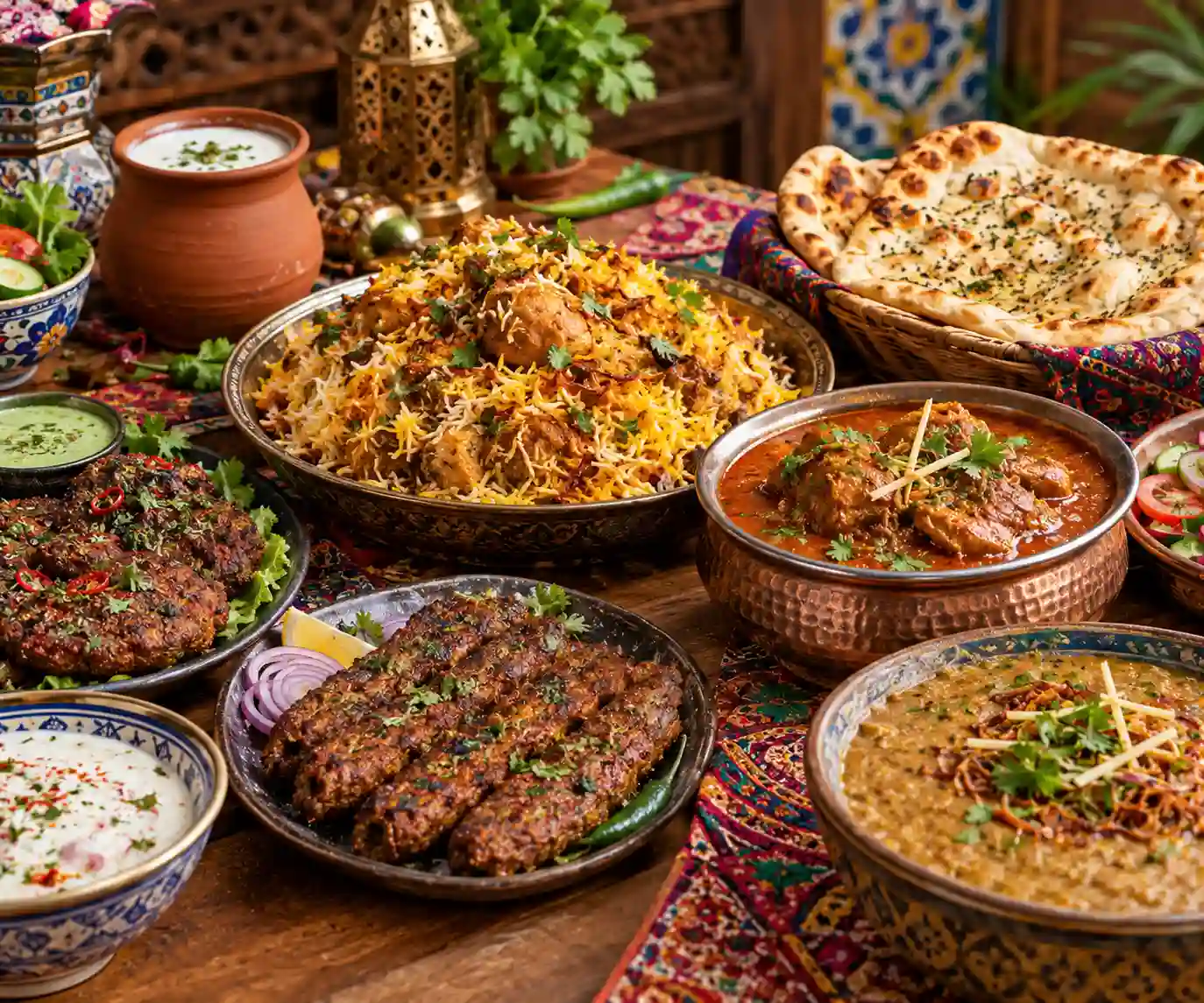
Pakistani food reflects regional agriculture, climate, history, trade and family traditions. Meals may combine rice or flatbread with lentils, vegetables, meat, yoghurt, pickles and chutneys. Spice levels and cooking methods vary widely, even between restaurants serving the same dish.
There is no single menu that represents the whole country. Punjabi food is often associated with hearty curries and tandoor breads; Sindhi cuisine includes distinctive rice dishes and fish; Pashtun cooking features grilled meats and breads; Balochi specialities include slow-roasted meat; and northern areas offer local noodles, dumplings, soups and dairy products.
Start with local recommendations
Ask your host or a trusted local guide what a restaurant is known for. A dish described as “traditional” may be prepared differently from one region, household or chef to another.
Classic Pakistani Dishes to Try
Biryani and Pulao
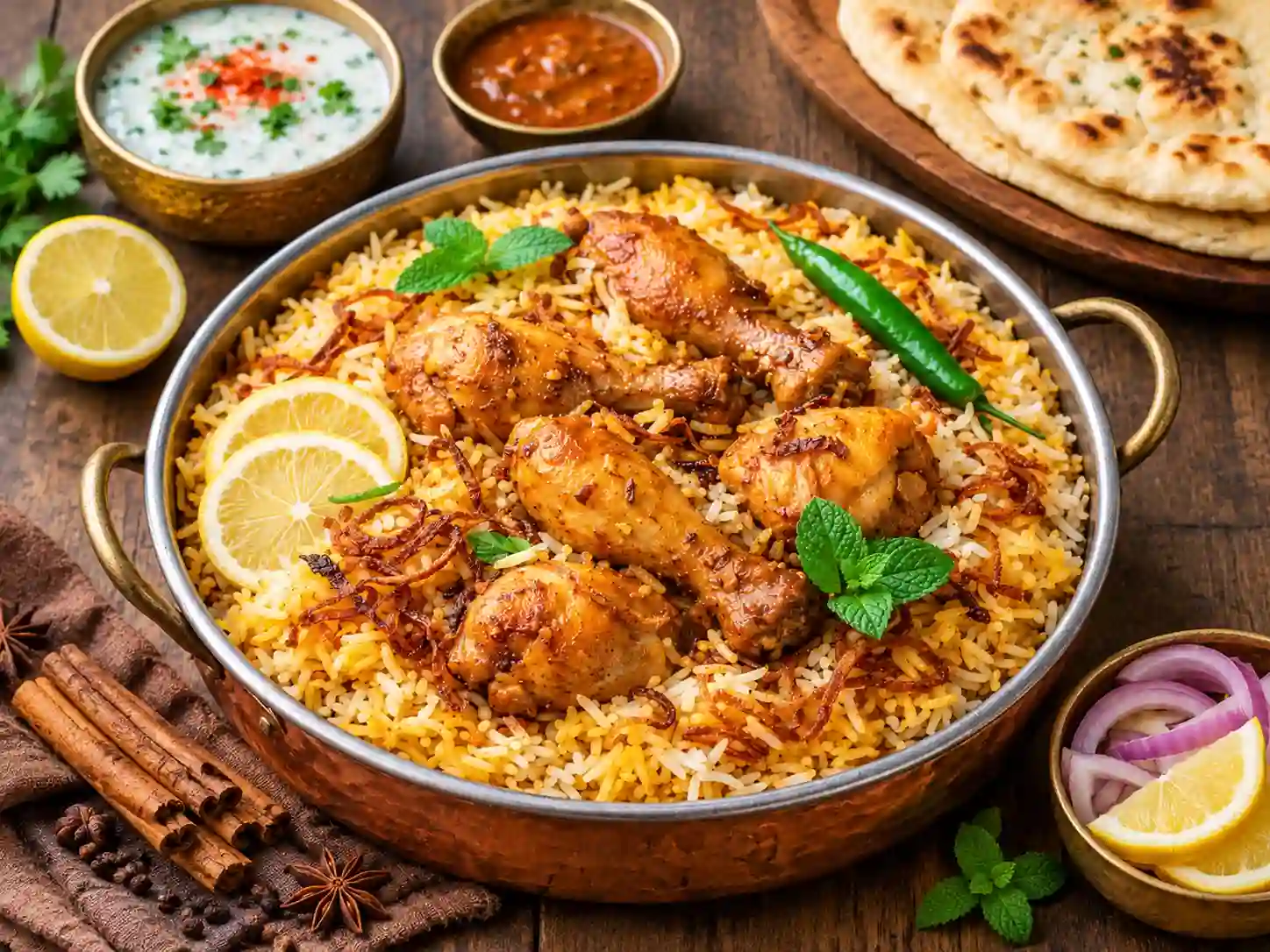
Biryani layers rice with spices and vegetables or meat, while pulao is typically cooked with stock and aromatics. Recipes vary by city and family—ask whether a version is spicy before ordering.
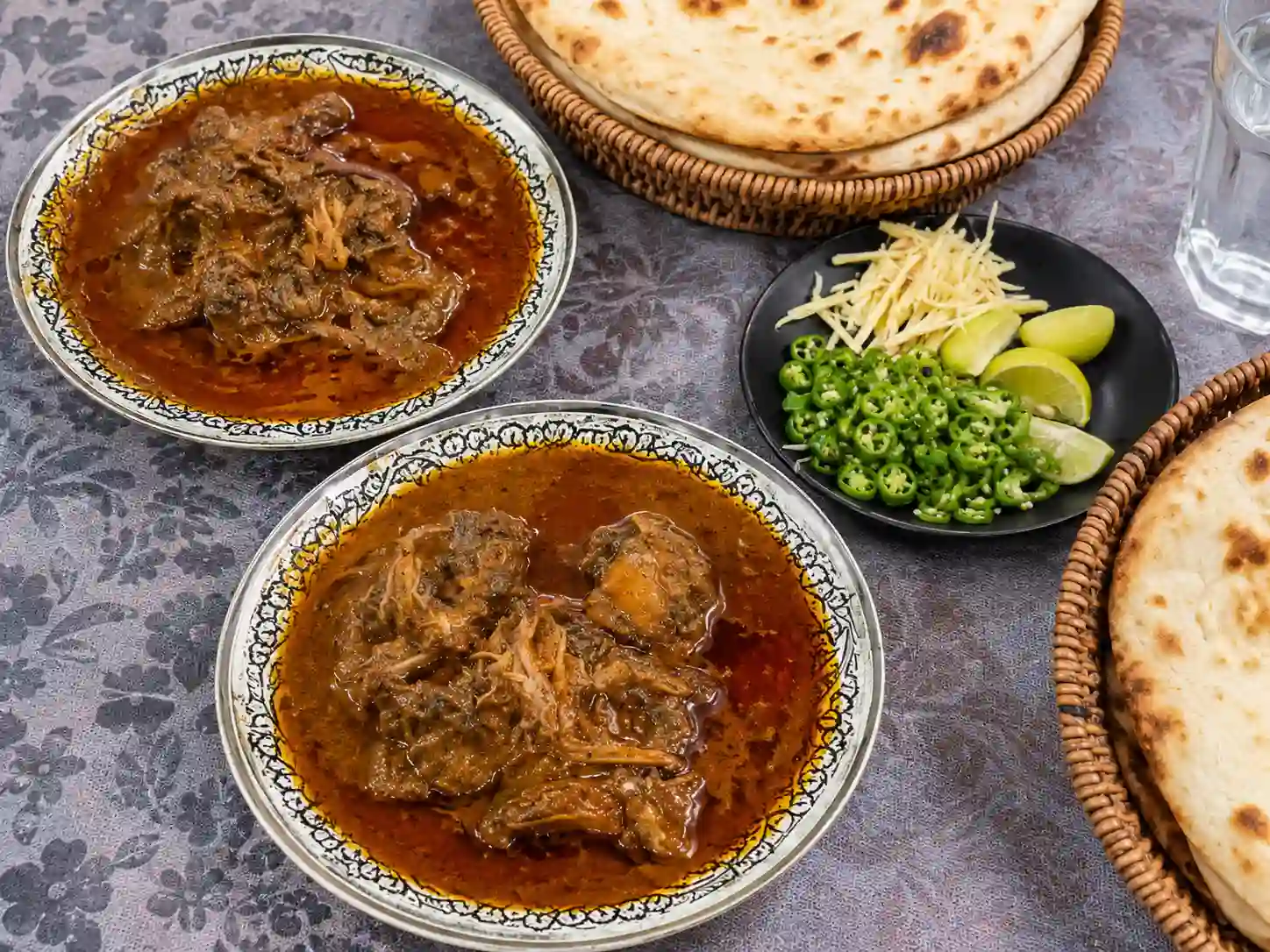
Karahi, Nihari and Haleem
Karahi is commonly cooked with tomato, ginger, chilli and meat; nihari is a slow-cooked stew; haleem combines grains, lentils and meat into a rich dish. These are filling meals, often shared.
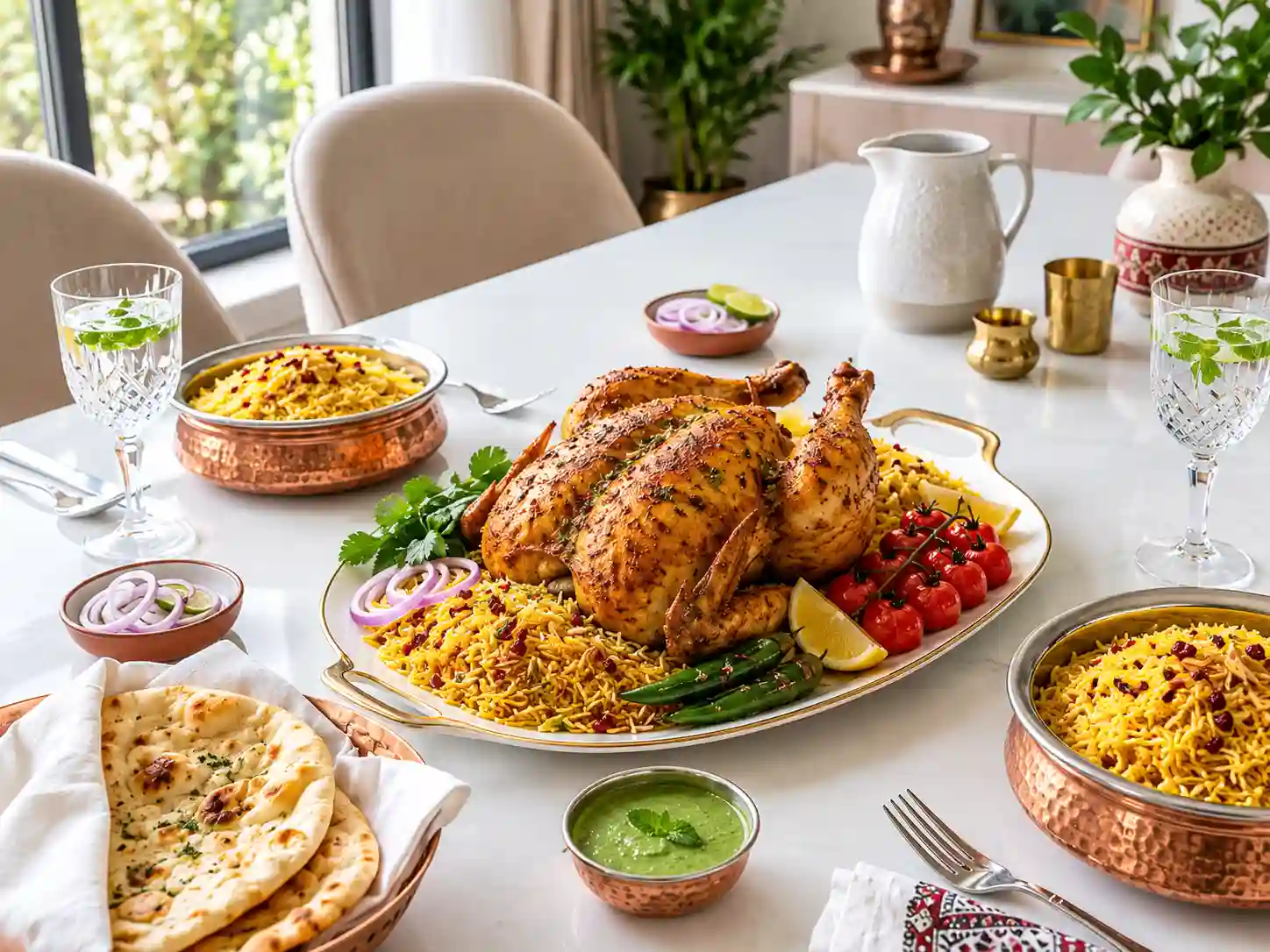
Naan, Roti and Paratha
Flatbreads accompany many meals. Tandoori naan, everyday roti and layered paratha have different textures and uses; breakfast parathas are often served with eggs, yoghurt or tea.
Regional Food Highlights
Punjab and Lahore
Look for tandoori breads, chana, paya, nihari, barbecue, lassi and rich karahi dishes. Lahore is also known for its lively food streets and late-evening dining culture.
Sindh and Karachi
Try Sindhi biryani, sai bhaji and regional fish dishes where available. Karachi’s food scene brings together cuisines from across Pakistan and many communities.
Khyber Pakhtunkhwa
Chapli kebab, grilled meats, kabuli-style rice dishes and fresh breads are popular choices in many places. Recipes and names vary across districts.
Balochistan
Sajji is associated with Balochi cooking and often features whole or large cuts of meat roasted slowly. Confirm preparation and serving sizes before ordering.
Gilgit-Baltistan
Mountain cuisine may include local breads, soups, noodles, dumplings and dishes using seasonal produce or dairy. Ask what is locally made rather than imported.
Multan and southern Punjab
Explore local breads, hearty curries and sweets, including the famous sohan halwa associated with Multan.
Pakistani Street Food and Snacks
Street food is a memorable way to explore everyday food culture. Common options include samosas, pakoras, chaat, gol gappay, bun kebab, seekh kebab, rolls, roasted corn and seasonal snacks. Availability and recipes differ from city to city.
For a first visit, choose a busy stall with a steady stream of customers and food cooked fresh in front of you. Prefer piping-hot items, use clean hands or utensils, and be cautious with uncooked garnishes, sauces left unrefrigerated and water or ice of uncertain origin.
Freshly cooked and hot is usually the safer choice
Food safety cannot be guaranteed by a stall’s popularity alone. If you have a sensitive stomach, allergies or a medical dietary requirement, take extra care and seek advice appropriate to your needs.
Sweets, Desserts and Drinks
Popular sweets include gulab jamun, jalebi, kheer, firni, barfi and regional halwa varieties. Mithai shops often sell mixed boxes, making it easy to sample several small portions. Sohan halwa is closely associated with Multan, while other regions have their own specialties.
Chai is a major part of daily social life and is served in homes, roadside cafés and restaurants. Lassi, sugarcane juice and seasonal drinks are also common in some areas. Choose drinks made with safe water and freshly handled ingredients; when uncertain, sealed bottled drinks are a practical option.
Vegetarian, Vegan and Special Diets
Vegetarian choices can include daal, chana, seasonal vegetable curries, rice, roti, salads and snacks, but cooking fats, stock and garnishes vary. Vegan travellers should ask about ghee, butter, yoghurt, cream and dairy-based sauces. “Vegetarian” may not always mean the same thing to every vendor.
If you have a food allergy, communicate it clearly and ask about shared cooking surfaces, utensils and oil. Translation apps or a written note can help, but they cannot guarantee that a meal is allergen-free. If the risk is serious, choose a venue able to explain its ingredients and preparation practices.
Dining Customs and Ordering Tips
Meals may be served family-style, with shared dishes in the middle of the table. In some homes people eat with the right hand; restaurants may provide cutlery. Follow your host’s lead and wash your hands before eating where possible. Ask before taking photographs of people or private gatherings.
Menus may list dishes without specifying portion sizes or chilli levels. Ask whether a dish is mild, medium or hot, and whether it is intended for sharing. If invited to a home, a small gift such as sweets can be appreciated, though it is not required; follow your host’s guidance and be gracious about hospitality.
Food Budget and Planning
Food costs vary by city, neighbourhood, restaurant type, season and inflation. Local cafés and simple eateries are generally less expensive than hotel restaurants or upscale dining venues, while specialty meat dishes and seafood may cost more. Check current menus rather than relying on old online prices.
Keep it flexible
Mix simple local meals with occasional restaurant visits, and leave room in your budget for snacks, tea and bottled water.
Check what is included
Confirm whether bread, rice, sides, taxes or service charges are included in the listed price.
Share when appropriate
Some dishes are large and designed for sharing. Ask the restaurant about serving size before ordering several mains.
Food Safety and Practical Advice
- Choose food that is freshly prepared and served hot.
- Use sealed drinking water if local water safety is uncertain.
- Wash or sanitise hands before eating, especially street food.
- Be cautious with raw salads, cut fruit and unrefrigerated dairy in uncertain conditions.
- Tell staff about allergies and dietary restrictions before ordering.
- Carry any essential medication and follow your clinician’s advice for serious allergies or food-related conditions.
Food hygiene standards can differ between venues. If a place looks unclean or food has been sitting out for a long time, choose another option.
Frequently Asked Questions
What food is Pakistan most famous for?
Biryani, karahi, nihari, kebabs, haleem, flatbreads and regional sweets are widely recognised, but favourites vary by region and community.
Is Pakistani food always spicy?
No. Some dishes are hot, while others are mild or can be prepared to order. Ask the restaurant about chilli levels before choosing.
Can vegetarians eat well in Pakistan?
Yes, many meals include lentils, chickpeas, vegetables, rice and breads. Confirm ingredients, cooking fats and stock, especially if you are vegan.
Is street food safe for tourists?
Risk varies by vendor and conditions. Prefer busy stalls cooking food fresh and hot, use safe drinking water and avoid food that has been sitting unrefrigerated.
What should I drink with Pakistani food?
Chai is widely enjoyed. Lassi and other drinks are available in many places; choose drinks prepared with safe water and clean handling.
Useful Resources for Food Travellers
- Pakistan tourism information for general travel planning.
- UK FCDO Pakistan travel advice for current regional safety guidance.
- World Health Organization food safety information for general food-safety principles.
Menus, opening hours, ingredients and prices change. Ask locally and use current information when planning meals.