1. Why Visit Multan?
Multan appeals to travellers who want to understand Pakistan beyond its best-known metropolitan cities and mountain destinations. Its religious landmarks, old-city setting and craft traditions provide a distinctive cultural experience.
The city is especially suitable for visitors interested in history, traditional architecture, local markets, food and the living heritage of southern Punjab.
- Sufi heritage: Explore historic shrines associated with prominent Sufi figures and their spiritual traditions.
- Historic architecture: See distinctive domes, brickwork and glazed decorative tiles.
- Old-city markets: Browse traditional shopping streets and discover locally made products.
- Blue pottery and crafts: Learn about decorative ceramics and regional handicraft traditions.
- Regional food: Sample Multani Sohan Halwa, local curries, breads and other southern Punjabi dishes.
- Local culture: Learn about Saraiki-speaking communities, hospitality and traditional customs.
2. Best Places to Visit in Multan
These attractions offer a starting point for exploring Multan's historic and cultural character. Check opening times, site access, photography rules and local arrangements before visiting.
Tomb of Shah Rukn-e-Alam
One of Multan's best-known architectural landmarks, the shrine of Shah Rukn-e-Alam is admired for its monumental structure, brick construction and decorative blue and turquoise tilework. Its historic setting near Multan Fort makes it a key stop for heritage enthusiasts.
Sufi heritage and architectureShrine of Bahauddin Zakariya
Associated with the influential Sufi scholar and spiritual leader Bahauddin Zakariya, this shrine is an important part of Multan's religious heritage. Visitors should dress respectfully and observe local customs while on the premises.
Spiritual historyMultan Fort and Qasim Bagh
Historic Multan Fort once occupied a strategically important elevated location. Much of the original fort was destroyed during the nineteenth century, but the site remains associated with the city's major shrines, surviving structures and historic landscape.
History and city viewsDamdama
Damdama is associated with the elevated area of the old fort complex. It offers a useful perspective on the city's historic topography. Confirm public access and on-site arrangements locally.
Historic fort areaGhanta Ghar — Clock Tower
Ghanta Ghar is a familiar city landmark connected with Multan's historic commercial centre. It is a useful reference point while exploring central Multan and its surrounding shopping areas.
City landmarkHussain Agahi Bazaar
This busy marketplace is a place to experience everyday commercial life and shop for regional products. Expect crowded lanes, local traffic and a wide range of goods. Visit respectfully and keep valuables secure.
Shopping and local cultureBlue Pottery and Craft Shops
Multan is known for decorative pottery featuring blue and turquoise designs. Depending on current availability, specialist craft shops and workshops can provide opportunities to see traditional objects and buy souvenirs.
Traditional handicraftsShrine of Shah Shams Sabzwari
This shrine is associated with the spiritual heritage of Multan. Visitors interested in Sufi traditions may wish to include it in a broader cultural itinerary, subject to current access arrangements and local conditions.
Spiritual and cultural heritageEidgah Mosque
Eidgah Mosque is another religious landmark to consider when exploring the city's architectural and community heritage. Confirm visiting arrangements and avoid interrupting prayers or religious activities.
Religious architectureTraditional Old-City Gates and Streets
Multan's older urban areas reflect the city's historic layout and commercial traditions. Explore appropriate streets during daylight, preferably with a local guide who understands current access and security conditions.
Heritage walk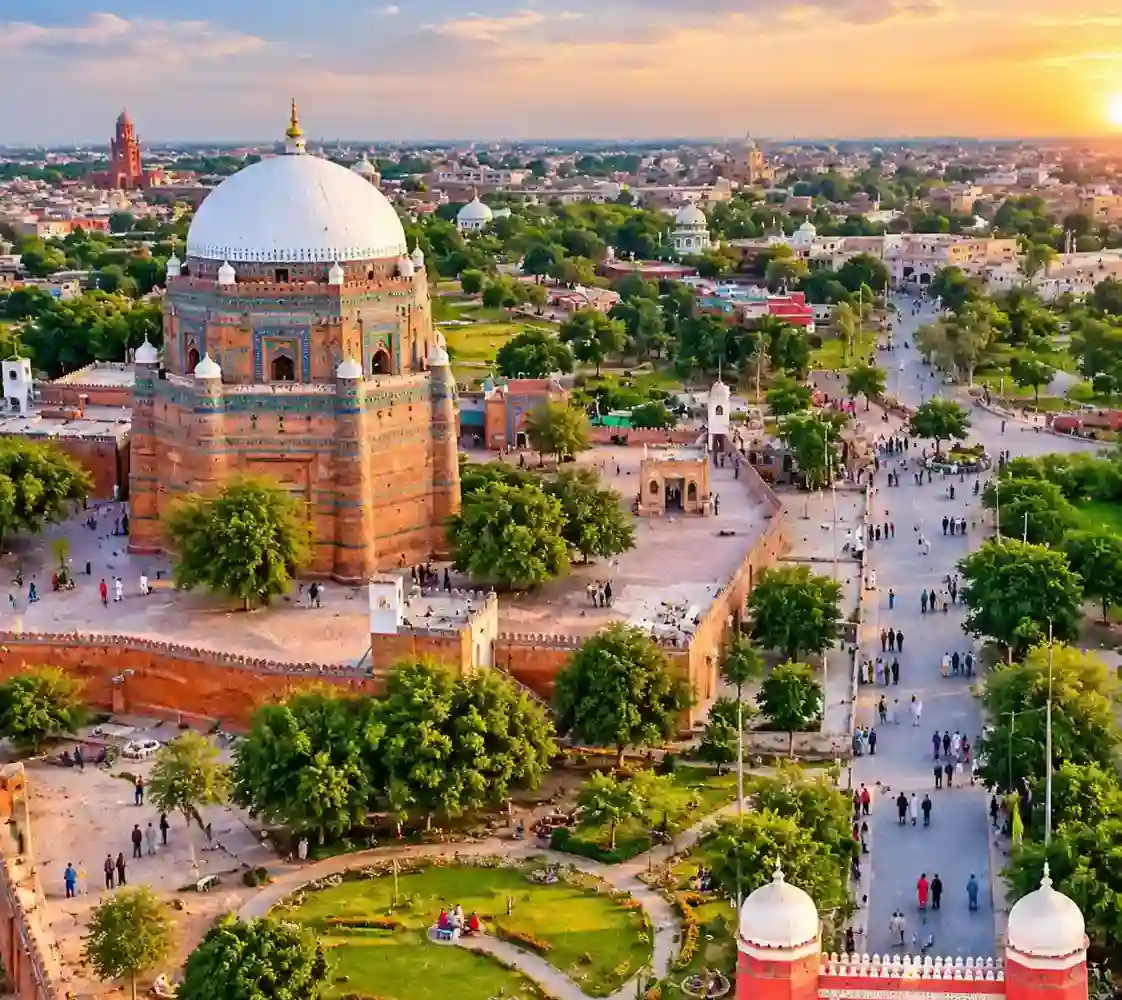
Planning tip: Start with the attractions around the historic fort area and nearby shrines. Add central markets and other locations according to opening arrangements, weather and available transport. Do not assume every attraction will be open or accessible throughout the day.
For details about the fort and its historic setting, consult the official Multan Fort information page. The district website also lists important places in Multan.
3. What to Eat in Multan
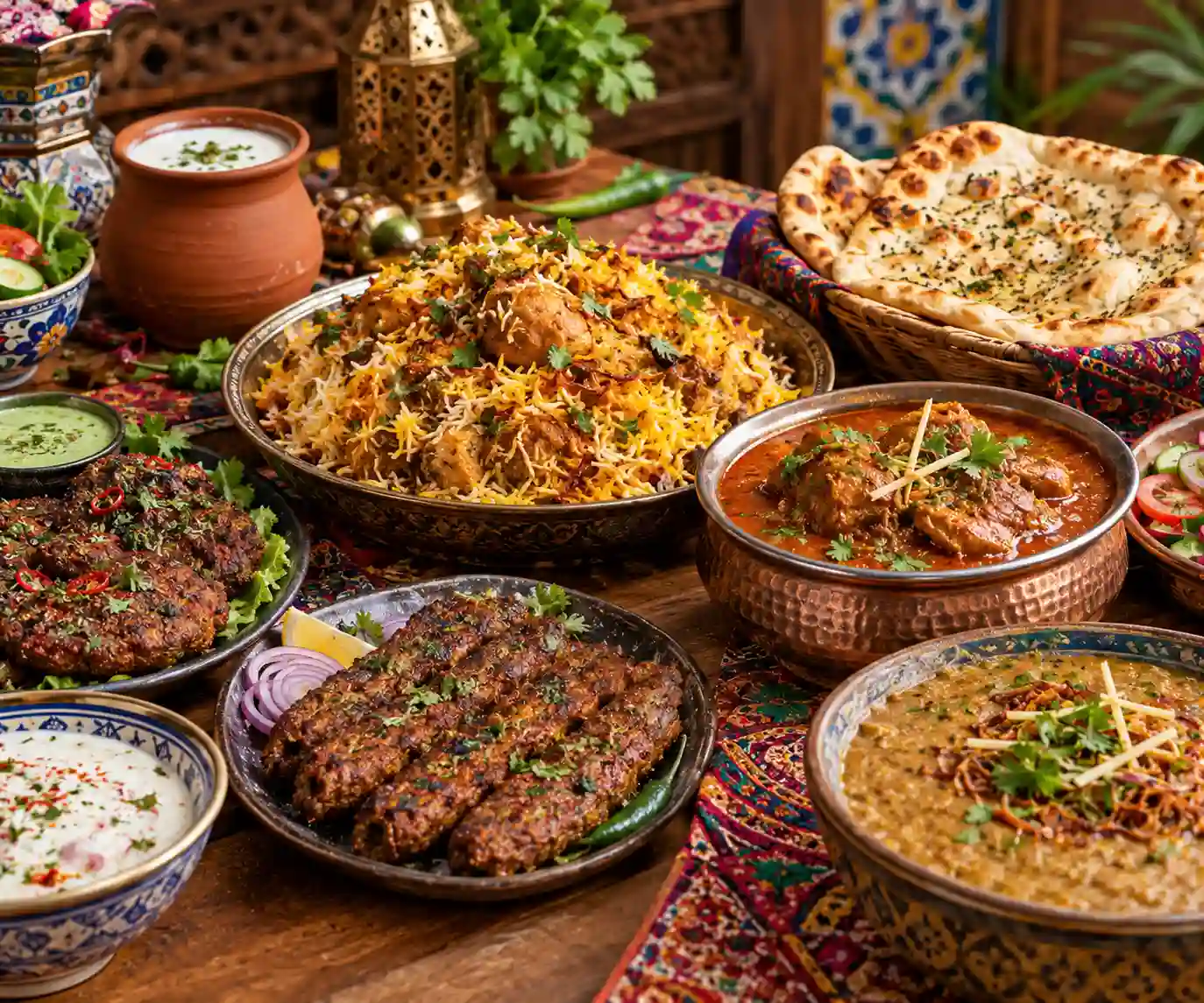
Food is an important part of experiencing Multan. The city is especially associated with Sohan Halwa, a traditional sweet that travellers often purchase as a gift. Local restaurants also serve regional Punjabi dishes, breads, curries and seasonal specialities.
Multani Sohan Halwa
A famous regional sweet with a rich, chewy texture. It is sold in specialist sweet shops and packaged for travellers. Compare ingredients and packaging, especially if carrying it overseas.
Saraiki and Punjabi Dishes
Explore traditional curries, lentils, vegetable dishes, meat preparations and regional breads. Specific dishes vary by restaurant and household.
Roti and Naan
Freshly prepared breads are common accompaniments to meals. Try them with seasonal vegetables, lentils or traditional curry dishes.
Traditional Breakfast
Look for local breakfast options such as chana, paratha, eggs and tea. Ask your accommodation or trusted local contacts for reputable places nearby.
Tea and Local Snacks
Tea shops and bakeries are useful places to pause during sightseeing. Check food preparation and cleanliness before choosing a busy establishment.
Seasonal Mangoes
Southern Punjab is associated with mango cultivation. Availability varies by season and fresh fruit is generally best purchased when locally in season.
Practical Food Tips
- Choose busy, reputable eateries where food is cooked thoroughly and served hot.
- Use sealed bottled water from a reliable supplier or appropriately treated drinking water.
- Take care with raw garnishes and foods that have been left uncovered or unrefrigerated.
- Ask about ingredients if you have allergies, dietary restrictions or sensitivity to spice.
- Keep sweets and other food souvenirs appropriately packed during hot weather.
Discover more dishes and regional food traditions in our Pakistani Food Guide.
4. Best Time to Visit Multan
Multan has a hot climate, with summer temperatures that can make outdoor sightseeing uncomfortable. For many visitors, the cooler months are better suited to walking through markets, visiting shrines and exploring historical sites.
October–November
Temperatures generally begin to become more comfortable than during peak summer. Check forecasts and plan outdoor visits around the day's actual conditions.
December–February
These months are often more comfortable for sightseeing. A light warm layer may be useful during cooler mornings and evenings.
March–April
Temperatures begin rising. Visit outdoor attractions earlier in the day and carry drinking water and sun protection.
May–September
Heat may be intense and monsoon weather can affect conditions at certain times. Avoid strenuous activity during the hottest hours and monitor local forecasts.
These are general seasonal patterns, not a guaranteed forecast. For current weather conditions and warnings, consult the Pakistan Meteorological Department.
5. How to Reach and Explore Multan
Multan is connected to other Pakistani cities by road, rail and air. Your best option depends on the starting point, schedule, budget and current availability of transport services.
By Air
Multan International Airport serves the city. Flight routes and schedules can change, so verify availability with an airline or booking provider. Before arriving, confirm how you will travel from the airport to your accommodation.
By Train
Rail travel can be an option for reaching Multan from cities on Pakistan's railway network. Check departure times, ticket availability, station arrangements and journey updates through official railway channels before travel.
By Road
Multan can be reached by road from other cities in Punjab and beyond. Travel times depend on the origin, road conditions, congestion, weather and any security-related restrictions. Check the intended route before departure.
Getting Around the City
Depending on local availability, travellers may use taxis, app-based transport, rickshaws or private drivers. Agree on the fare or confirm the booking details before starting the journey.
Transport Checklist
- Arrange a reliable airport or railway station transfer where possible.
- Save your hotel's name and address for offline access.
- Leave extra time between attractions rather than relying on exact travel estimates.
- Use reputable transport providers and verify vehicle details.
- Avoid unplanned journeys through unfamiliar areas after dark.
6. Where to Stay in Multan
Accommodation options in Multan range from budget guesthouses to full-service hotels. The best location depends on whether your priority is sightseeing, business, family visits or convenient access to transport.
Central Multan
Look for accommodation with practical access to the historic centre, markets and major city landmarks. Check the exact distance and traffic conditions before making a booking.
Areas Near Main Road Connections
Hotels along suitable main routes may be useful for road transfers and business travel. Assess noise, transport access and the location of your planned activities.
Family-Friendly Hotels
Families may prefer properties with secure entry, appropriate room options, reliable facilities and assistance with arranging transport.
Airport-Accessible Accommodation
For short stopovers or early departures, compare hotels with suitable airport connections. Confirm any transfer service directly with the property.
Before booking, review recent guest feedback, cancellation terms, check-in requirements, emergency arrangements and access to reliable transport. Do not judge a hotel's location by its name alone; check the address on a map.
7. A Practical Two-Day Multan Itinerary
This sample itinerary focuses on cultural landmarks and regional experiences. Opening hours, religious activities, weather and access restrictions may affect the order and number of stops.
Explore the Historic Heart of Multan
Morning: Begin with Shah Rukn-e-Alam's shrine, if access is permitted and conditions are suitable. Dress respectfully and follow any instructions from site staff.
Late morning: Explore the nearby historic fort area and Qasim Bagh. Confirm which areas are open to visitors before setting out.
Afternoon: Visit the shrine of Bahauddin Zakariya, subject to current access and religious-site etiquette.
Evening: Enjoy a regional meal at a reputable restaurant and return to your accommodation using your planned transport.
Experience Everyday Multani Culture
Morning: Visit a suitable blue pottery or handicraft shop. Ask about locally made products and the best way to pack fragile purchases.
Late morning: Explore Ghanta Ghar and suitable parts of the central commercial area. Allow extra time for traffic and crowded streets.
Afternoon: Visit Hussain Agahi Bazaar or another suitable marketplace, provided local conditions and access arrangements are appropriate.
Evening: Buy Multani Sohan Halwa from a reputable shop, enjoy an early dinner and prepare for your onward journey.
Have an extra day? Consider another historic shrine, a craft-focused visit or a slower exploration of the city's food scene. Choose additional sites after checking opening arrangements and local conditions rather than overloading your schedule.
8. Multan Travel Budget
Your total cost depends on the season, accommodation, food preferences, transport and the number of attractions you visit. Prices can vary between providers and may change over time.
Build a practical budget from current accommodation quotes, transport estimates, meal prices and any applicable admission or guide fees.
- Accommodation: Compare the complete nightly rate, including taxes, breakfast and cancellation conditions.
- Transport: Include station or airport transfers and journeys between attractions.
- Meals: Plan for breakfast, lunch, dinner, water and snacks.
- Shopping: Set a budget for pottery, textiles, sweets and other souvenirs.
- Contingency: Keep reserve money for unexpected changes to transport or accommodation.
For a wider overview of travel expenses, read our Pakistan Travel Cost Guide.
9. Local Culture and Etiquette
Multan's culture reflects the history of southern Punjab, its Sufi traditions, handicrafts, languages and local hospitality. Saraiki is widely associated with the region, while Punjabi, Urdu and other languages are also used in everyday life.
Visitors can make their experience more respectful by learning a few local customs before exploring religious sites and traditional neighbourhoods.
- Dress modestly: Choose respectful clothing for shrines and other religious places.
- Follow site rules: Restrictions may apply to footwear, photography, access to certain areas and visitor behaviour.
- Respect prayer times: Avoid interrupting religious activities and follow instructions from site staff.
- Ask before photographing people: Obtain permission for close-up portraits and respect requests not to be photographed.
- Support local craftspeople: Buy from reputable shops and ask about the materials, construction and care of handcrafted items.
- Be considerate in markets: Ask permission before photographing shops or merchandise and negotiate politely where appropriate.
10. Safety Tips for Visiting Multan
Travel conditions can change because of security incidents, demonstrations, extreme weather, road closures or local restrictions. Check current official guidance shortly before leaving and throughout your trip.
The UK FCDO's travel guidance, current on 17 October 2026, identifies specific regional restrictions within Pakistan and highlights general precautions concerning terrorism, demonstrations and security-related disruption. Its Punjab warning specifically names Dera Ghazi Khan for all but essential travel; travellers to Multan should still review current guidance for their full route and personal circumstances.
Before You Travel
- Read the latest travel advisory published by your own government.
- Confirm transport schedules and planned road routes.
- Book reputable accommodation and organise suitable transfers.
- Keep passport, visa and insurance information secure.
- Check weather forecasts, especially before outdoor sightseeing in summer.
While Exploring the City
- Keep valuables out of sight and remain aware of crowded surroundings.
- Use reputable transport providers and verify booking details.
- Avoid demonstrations, political gatherings and areas affected by security incidents.
- Follow instructions from local authorities and trusted site staff.
- Avoid unplanned journeys through unfamiliar areas after dark.
- Carry drinking water and limit strenuous outdoor activity during extreme heat.
- Keep a flexible itinerary so you can change plans when conditions or access arrangements require it.
Emergency Preparedness
Before departure, identify the relevant local emergency contacts, the nearest appropriate medical facility and your country's consular contact details where applicable. Emergency response services and procedures can vary by location.
Consult the UK government's Pakistan travel warnings and its regional risk information for the latest details.
This article is a planning resource, not a guarantee of safety. Check current official advice again shortly before travel.
11. What to Pack for Multan
Packing needs depend on the season, trip duration and activities you plan to undertake. Multan's heat makes sun protection and hydration particularly important during warmer months.
- Lightweight clothing: Pack breathable fabrics for hot days and modest clothing for religious sites.
- Comfortable footwear: Useful for markets, heritage areas and walking between nearby attractions.
- Sun protection: Bring sunscreen, sunglasses and a hat.
- Drinking water: Plan access to sealed or appropriately treated water throughout the day.
- Personal medicines: Carry essential medication and keep it stored according to its requirements.
- Travel documents: Keep identification, visa information, insurance and bookings accessible securely.
- Connectivity: Arrange mobile data or roaming and save important addresses offline.
- Power accessories: Carry your charger and a suitable power bank.
- Souvenir protection: Bring protective packing or leave space for fragile pottery purchases.
For a longer trip across the country, see our Pakistan Packing Guide.
12. Frequently Asked Questions
Why is Multan called the City of Saints?
Multan is closely associated with Sufi traditions and the shrines of prominent spiritual figures. These religious and historical connections are an important part of the city's identity.
How many days are enough for Multan?
One or two days can provide a useful introduction to the city's principal shrines, historic sites, markets and regional food. Longer stays allow a slower itinerary and additional cultural experiences.
What is the best time to visit Multan?
October to March is generally a useful period to consider for more comfortable sightseeing. Actual temperatures vary, so check the forecast before travelling.
What food is Multan famous for?
Multani Sohan Halwa is one of its best-known specialities. Visitors can also sample regional breads, curries and other southern Punjabi dishes.
Where can I buy traditional Multani crafts?
Look for reputable handicraft shops and blue pottery sellers. Ask about the origin and materials of the items, and arrange safe packaging for fragile products.
What should I wear when visiting shrines?
Modest clothing is a sensible choice. Follow local instructions concerning footwear, photography, access to restricted areas and respectful conduct.
How can I reach Multan?
Multan is served by an airport, railway connections and road routes. Availability and schedules vary, so check current services with the relevant operator.
Is Multan suitable for a family visit?
Families interested in history, food and cultural sites may find Multan rewarding. Plan around the weather, choose suitable accommodation and verify local conditions before visits.
Is it safe to visit Multan?
Conditions can change and no destination can be guaranteed safe. Read your government's latest travel guidance, check the intended route and follow local instructions before and during your trip.
Can I explore Multan on foot?
Walking may be practical around selected nearby historic locations, but the heat, traffic, pedestrian conditions and local access arrangements matter. Use suitable transport for longer distances and avoid walking through unfamiliar areas when conditions are unsuitable.
13. Official Travel Resources
Check official sources before arranging your visit. Travel advice, opening arrangements, road conditions and weather information can change after this guide is published.