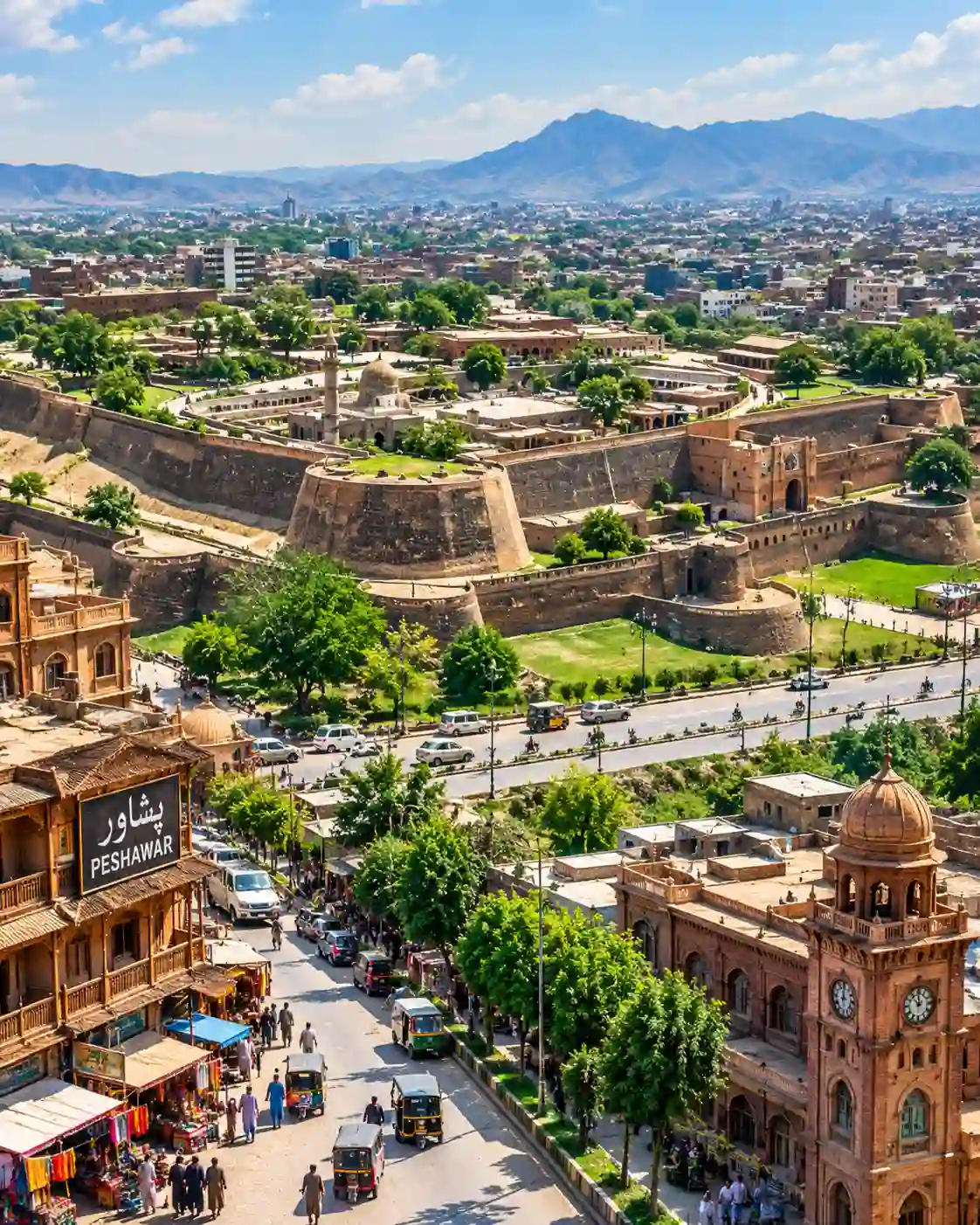
How to Use This 14-Day Pakistan Itinerary
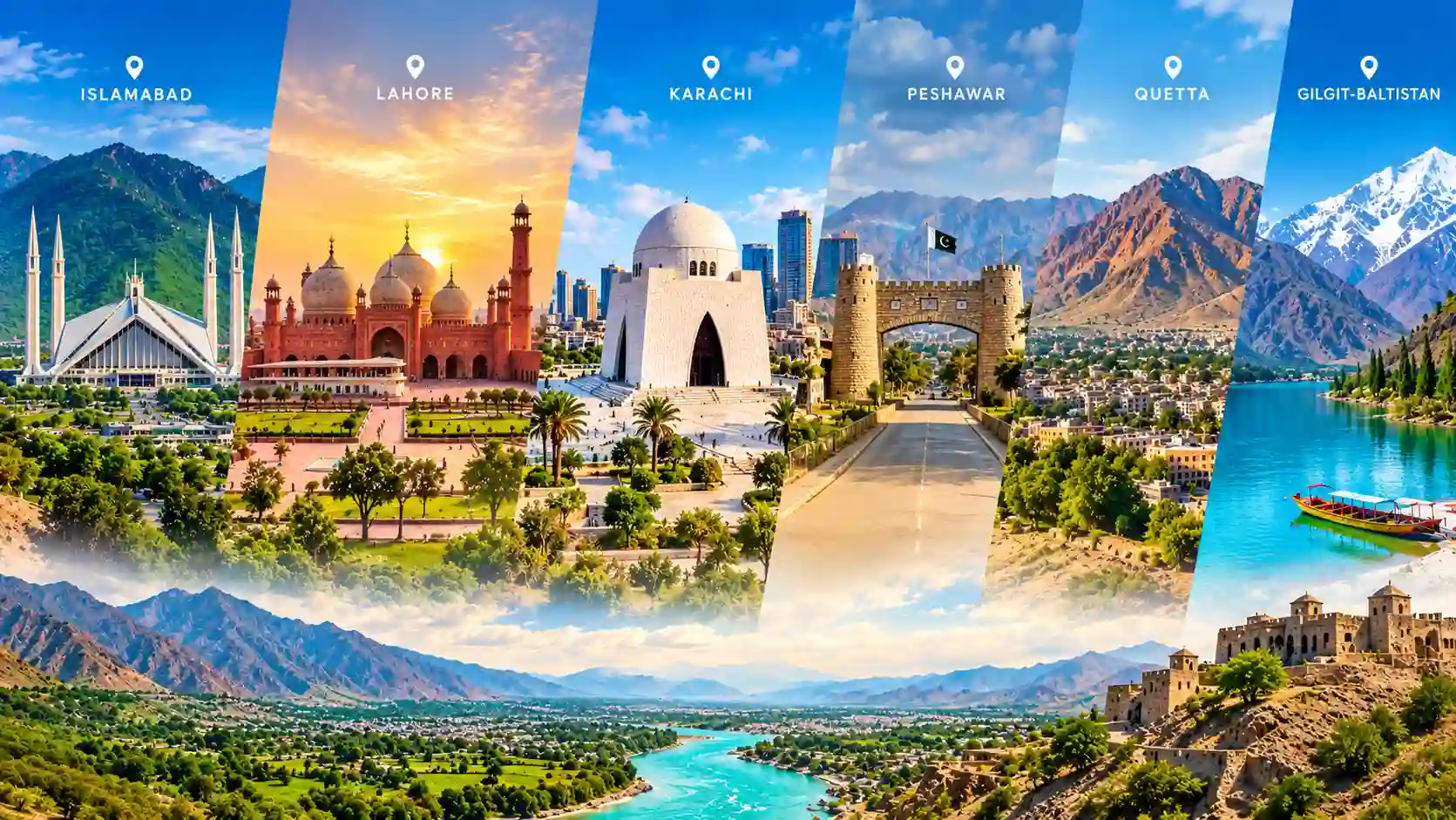
Pakistan is a large and geographically diverse country. In two weeks, it is usually more enjoyable to focus on a connected route than to try to cover every province. This itinerary combines Islamabad and Lahore with a northern journey towards the Hunza region, while leaving room to adapt the route if flights, roads or local conditions change.
The suggested route is a planning template, not a guarantee that every leg will operate on a particular date. Before booking non-refundable travel, check official travel advice, road status, domestic flight schedules and seasonal access. If you prefer a slower trip, spend more nights in fewer places rather than adding extra destinations.
Planning principle
Keep at least one flexible day in the schedule. Mountain weather, road closures and flight changes can affect northern travel, especially outside the main summer season.
The Recommended Route at a Glance
Begin in Islamabad, explore Lahore’s heritage and food, then travel north towards Gilgit-Baltistan if current conditions and your transport arrangements make the journey appropriate. Return to Islamabad with enough buffer before your international departure.
Islamabad
Settle in, visit Faisal Mosque and the Pakistan Monument, and explore the city’s viewpoints, parks and food scene.
Explore Islamabad →Lahore
Allow time for Lahore Fort, Badshahi Mosque, the Walled City, museums, gardens and traditional Punjabi cuisine.
Read the Lahore guide →Travel north via Gilgit
Choose a suitable flight or road option after checking schedules, weather and current route advice. Avoid an overambitious same-day connection.
Hunza Valley
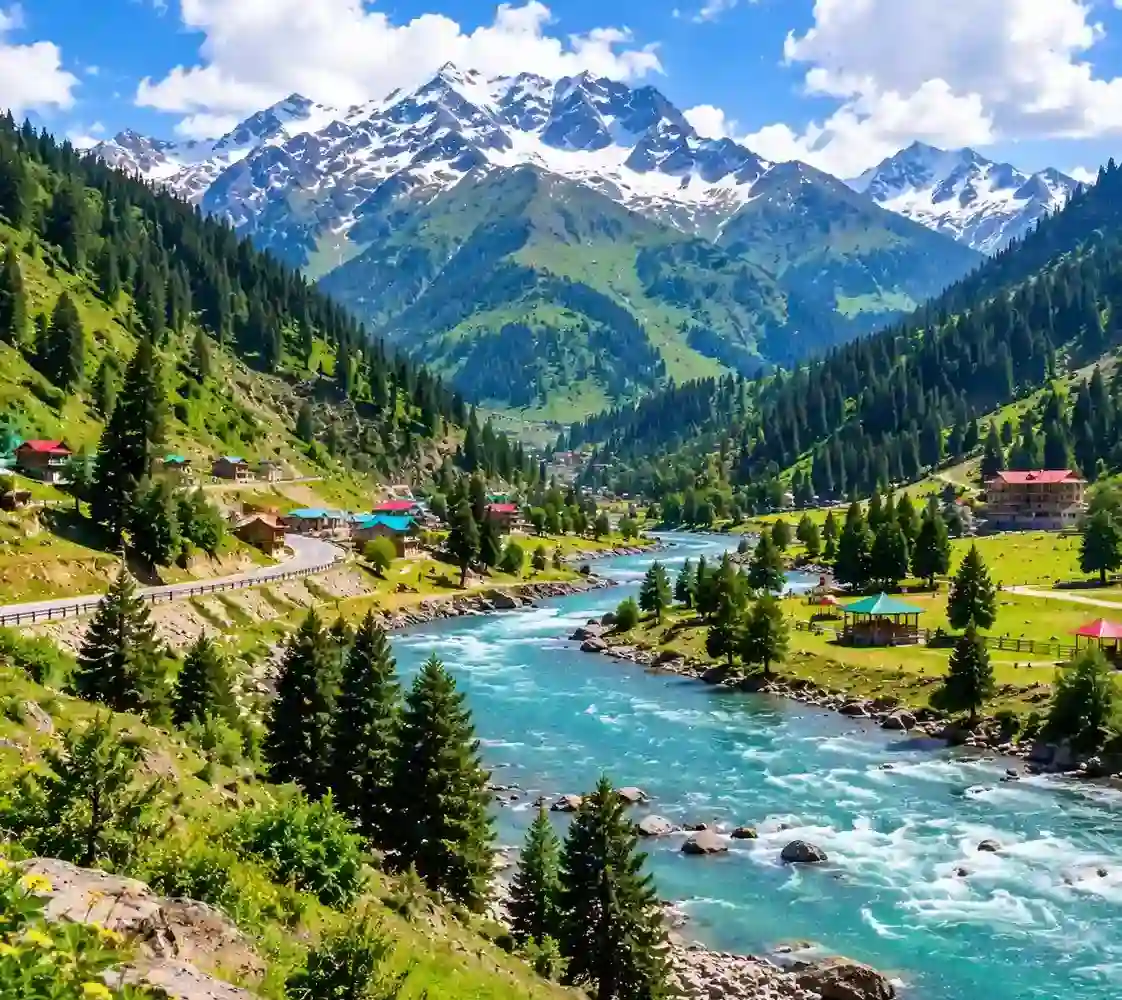
Use Karimabad as a base for valley views, historic forts, village walks and day trips, allowing time to acclimatise to the journey and altitude.
Explore Hunza →Return towards Islamabad
Return by a realistic route and keep contingency time. If the road journey is long, consider a flight where available and operational.
Departure day
Keep this day simple. For international departures, avoid relying on a long mountain road transfer immediately before your flight.
Day-by-Day Itinerary
Day 1 — Arrive in Islamabad
Arrive, check into your accommodation and keep the first day light. If energy and timing allow, enjoy a relaxed meal and organise local transport, connectivity and any onward travel details.
Day 2 — Islamabad’s landmarks and viewpoints
Visit Faisal Mosque respectfully, explore the Pakistan Monument and its museum if open and choose a viewpoint or park according to weather and mobility. Leave time for rest before the next travel leg.
Day 3 — Travel to Lahore
Travel by a reputable rail or road service after checking the latest schedule. On arrival, settle in and explore a nearby neighbourhood or restaurant rather than trying to fit in several major monuments.
Day 4 — Lahore’s Mughal heritage
Plan Lahore Fort and Badshahi Mosque together, subject to opening hours and entry arrangements. Dress appropriately at religious sites, follow photography rules and check whether any areas are closed to visitors.
Day 5 — Walled City, markets and food
Explore the Walled City with a knowledgeable guide if possible. Allow time for historic streets, traditional markets, Wazir Khan Mosque and local food. Busy lanes can be uneven and crowded, so wear comfortable shoes and keep valuables secure.
Day 6 — Return to Islamabad and prepare for the north
Use this as a transition day if your transport plan requires it. Confirm the next leg directly with your airline or transport provider and check road and weather updates before travelling north.
Day 7 — Travel towards Gilgit
If a suitable flight is operating, allow flexibility for weather-related changes. If travelling by road, understand that the journey is long and can be affected by landslides, roadworks and seasonal closures. Do not assume a fixed arrival time.
Day 8 — Continue to Hunza
Travel onward to your base in Hunza with stops only where conditions and daylight allow. Keep the first evening easy and confirm local transport for the next day.
Day 9 — Karimabad and historic sites
Explore Karimabad at a comfortable pace and consider Baltit Fort or Altit Fort after checking visitor information. Respect residents’ privacy in village lanes and ask before photographing people.
Day 10 — Valley viewpoints and local villages
Choose a day trip based on road conditions, weather, local advice and your interests. Keep plans flexible, especially if a route involves narrow mountain roads or a high viewpoint.
Day 11 — A slower day in Hunza
Leave space for a short walk, a local meal, craft shopping or simply enjoying the scenery. A quieter day makes the itinerary less tiring and helps absorb unexpected delays.
Day 12 — Begin the return journey
Start returning towards Gilgit or another confirmed transport connection. Do not plan a tight connection between a long road journey and a flight; overnight where necessary.
Day 13 — Return to Islamabad
Use the day for the confirmed return leg or as a contingency buffer. If your schedule has changed due to weather or road conditions, prioritise safe transport over extra sightseeing.
Day 14 — Departure
Allow plenty of time for airport transfers and check your airline’s latest instructions. If your international flight is early, consider staying near the airport or in a convenient part of Islamabad the previous night.
Alternative Routes for Different Travel Styles
If you prefer a less demanding trip
Spend the full two weeks in Islamabad, Lahore and nearby destinations, with a shorter trip to Murree and Galiyat only if current travel advice, road conditions and weather are suitable. This reduces the need for long mountain transfers.
If you want Skardu instead of Hunza
Replace the Hunza section with Skardu, rather than trying to fit both regions into a tight schedule. Access to Skardu may depend on flight operations, road conditions and season. Review the dedicated Skardu destination guide before deciding.
If travelling in winter or shoulder season
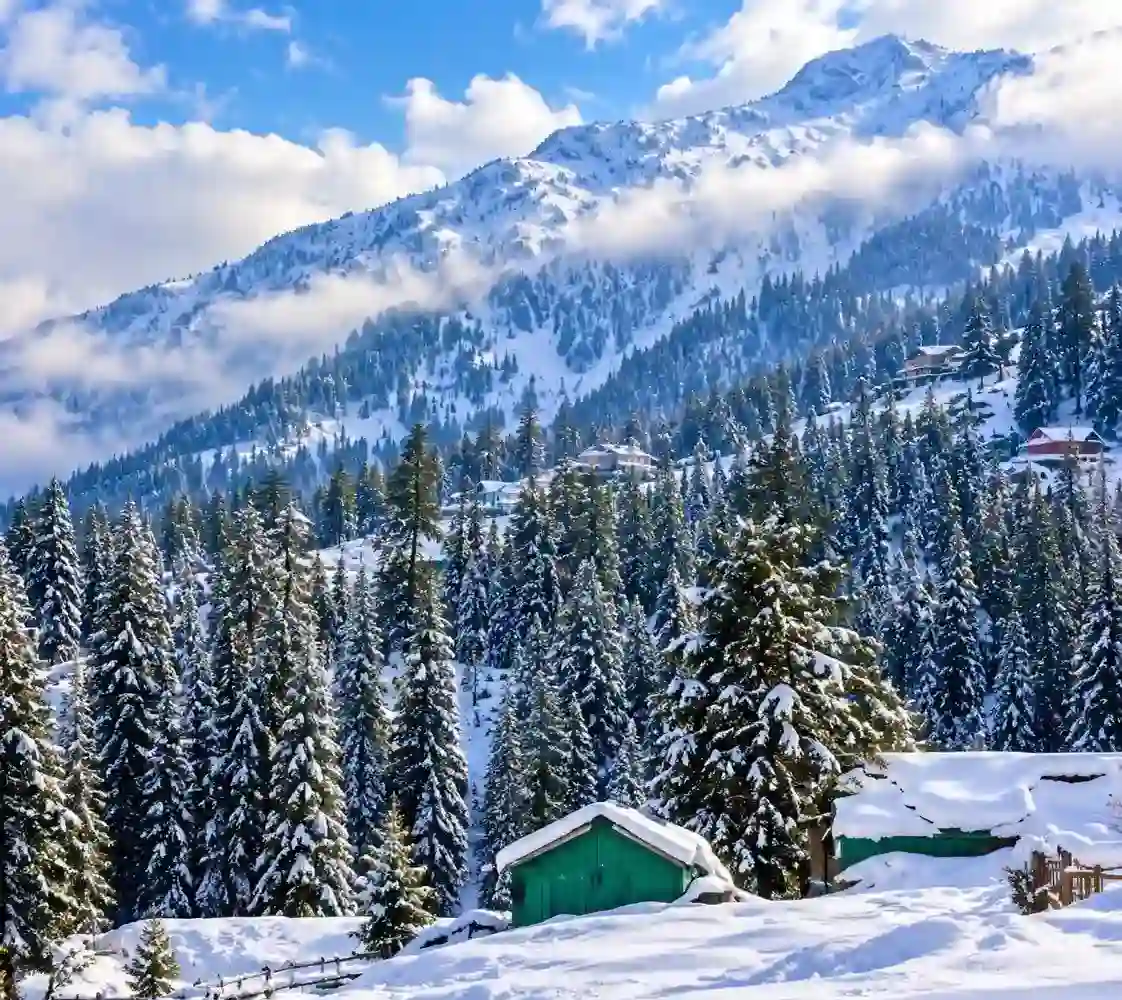
Do not assume all mountain roads, lakes, passes or hiking routes are accessible. Build the trip around confirmed transport and current conditions and keep a lower-altitude alternative ready.
Best Time to Follow This Route
Spring and autumn can be pleasant for city sightseeing, while summer is often the most practical period for many northern mountain trips. Conditions vary by elevation and year. Winter can bring snow, icy roads, reduced services and closures in mountain areas; monsoon rainfall may also disrupt roads and outdoor plans in some regions.
Check the best time to visit Pakistan guide alongside official weather information. Use forecasts for the specific region rather than relying on a national average.
Transport: Flights, Trains and Road Travel
For city-to-city travel, compare reputable rail, bus and private-car options based on comfort, timing and reliability. In the north, domestic flights may save time but can be affected by weather. Road journeys offer scenery but can be long and subject to disruption.
- Confirm departure times directly with transport providers.
- Check the road status and local guidance before leaving for mountain areas.
- Use seat belts and reputable drivers; avoid unnecessary night driving on unfamiliar mountain roads.
- Keep water, snacks, warm layers, essential medicines and offline maps accessible.
- Build buffer time into connections and avoid same-day tight transfers.
Budget and Accommodation Planning
Your total cost depends on season, accommodation standard, domestic flights, private transport, group size and the flexibility you need. Mountain transport and last-minute changes can add substantially to a budget, so keep a contingency fund rather than calculating only the expected daily spend.
Book accommodation with clear cancellation terms, confirm the exact location and check recent reviews. In remote areas, verify heating, hot water, power backup, payment methods and whether meals or transfers are included. See the Pakistan travel cost guide for a broader budgeting framework.
What to Pack for Two Weeks
- Comfortable walking shoes and modest clothing for religious and cultural sites.
- Layered clothing: city weather and mountain temperatures can differ sharply.
- Sun protection, a reusable water bottle and a small daypack.
- Personal medication, basic first-aid items and travel insurance details.
- Offline maps, power bank, charging cables and a SIM or eSIM plan suitable for your route.
- Copies of travel documents and emergency contacts stored securely.
- Cash in suitable denominations, while keeping cards and backup funds separate.
Safety and Responsible Travel
Check current advice before every major leg
Security guidance can vary by district and change quickly. Read your own government’s current travel advice, confirm local conditions with reliable providers and follow instructions from authorities. Do not assume that advice for one city applies to an entire province.
Review the UK FCDO Pakistan travel advice and other official guidance relevant to your nationality before booking and again shortly before departure.
Keep family or trusted contacts informed of major travel legs, use reputable accommodation and transport and avoid demonstrations or large gatherings where official advice recommends doing so. In mountain areas, follow local guidance on altitude, weather, road access and hiking conditions. Buy travel insurance that covers your planned activities and any relevant evacuation needs.
Travel respectfully: ask before photographing people, follow rules at religious and heritage sites, avoid littering and support local businesses where practical.
Frequently Asked Questions
Is 14 days enough to visit Pakistan?
Yes, for a focused route. Two weeks is enough to experience a few cities and one northern region, but not the whole country. Choose priorities rather than trying to cover every province.
Can I visit Hunza and Skardu in the same 14-day trip?
It may be possible with carefully planned transport, but it can make the trip rushed and vulnerable to delays. For a first visit, choosing one mountain region often creates a more comfortable itinerary.
Should I book domestic flights in advance?
Compare schedules and fare conditions early, but understand that mountain flights can be weather-dependent. Leave a buffer and confirm the latest status directly with the airline.
Can I follow this itinerary without a private car?
City sections can be arranged using public transport, ride-hailing where available, taxis or organised tours. Northern travel requires more advance planning; check the availability and reliability of shared transport for your exact route.
What if weather or security conditions change?
Be ready to shorten or change the route. Follow official instructions and prioritise safe transport and accommodation over completing every stop.
Official Resources and Further Planning
- UK Foreign, Commonwealth & Development Office — Pakistan travel advice
- Pakistan Meteorological Department
- Pakistan tourism information
Use official resources for current guidance, then confirm practical details with transport operators, accommodation providers and local authorities where relevant.
About the Author
Sajid Qurashi is a Visitor Guidance Advisor at Explore Pakistan, sharing practical travel information, destination inspiration and actionable advice to help readers plan more confidently.