When Should You Visit Pakistan?
The best time to visit Pakistan depends on where you want to go. The country has high mountain regions, hot plains, coastal areas and deserts, so there is no single month that is ideal for every destination.
Summer is a popular time for many northern mountain journeys because some high-altitude routes become more accessible after snow. Meanwhile, the cooler months are often more comfortable for walking around cities such as Lahore and Islamabad.
Karachi's coastal climate differs from the highlands, while desert areas can be more comfortable to explore during cooler weather. Rainfall patterns also matter: monsoon rain can disrupt roads, lead to flooding and affect outdoor plans.
Use this guide to compare typical seasonal patterns, but confirm actual conditions near your travel dates. A usual season is not a guarantee of suitable weather, open roads or permission to visit a region.
Best general approach
Choose your destinations first, then select the dates that usually suit them. Check the latest forecast, road information and official travel advisory before committing to bookings.
Pakistan's Four Broad Travel Seasons
A useful starting point is to divide the year into broad seasonal periods. These are general patterns: local climate, elevation and the year's weather can shift the timing and impact of each season.
Winter
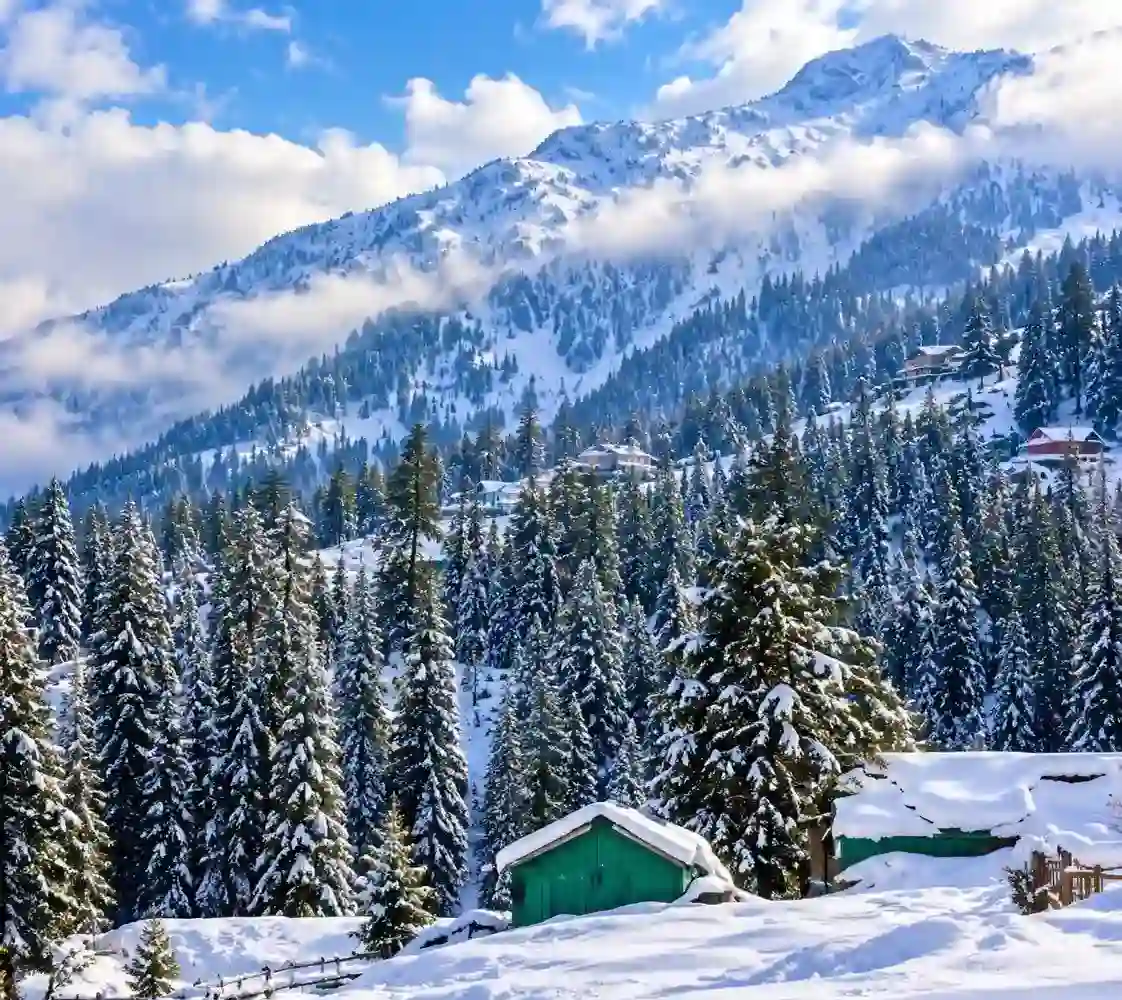
Many lowland cities experience cooler weather. Northern mountain areas can be extremely cold and snowfall may close roads or limit access to high passes and remote valleys.
Spring and Pre-Monsoon Heat
Conditions gradually warm. Some lower valleys bring spring blossoms, while the plains become hotter later in the season. High mountains may still have snow.
Summer and Monsoon
Many northern routes attract visitors during summer. At the same time, monsoon rainfall can cause floods, landslides and transport disruptions in affected regions.
Autumn
Many lowland areas become cooler and parts of the north may display autumn colours. Higher elevations can become cold, with access changing as winter approaches.
Why regional differences matter
Pakistan's weather is not uniform. A comfortable day in a southern city does not indicate the conditions on a northern mountain pass. Use local forecasts for every major stop on your itinerary.
Pakistan Weather and Travel by Month
The following overview helps with early planning. It describes common seasonal tendencies, not a live forecast or a guarantee that a particular attraction will be open.
January
WinterCooler city sightseeing may be appealing in many lowland areas. Northern highlands can be very cold or snowbound and fog may affect travel in parts of Punjab.
February
Winter to SpringConditions gradually change in lower regions. Higher routes may still be closed by snow, so this is not a reliable month for assuming access to mountain passes.
March
Spring BeginsSpring may bring milder conditions in cities and lower valleys. Some flowering periods begin, but timing varies by altitude, weather and location.
April
SpringOften useful for city visits and selected lower-elevation destinations. Blossom may be seen in parts of the north, while high mountain routes can remain inaccessible.
May
Warming UpPlains may become very hot, especially toward the end of the month. Some northern roads begin to improve, but access depends on snow clearance and conditions.
June
SummerA popular starting period for northern summer travel where routes have opened. High passes and remote locations still require current access confirmation.
July
Summer / MonsoonMany mountain destinations are popular, but monsoon rain can bring flooding, landslides or road delays in affected areas.
August
Summer / MonsoonNorthern sightseeing may be attractive where safe and accessible. Keep plans flexible because heavy rainfall can disrupt travel.
September
Late SummerEarly autumn conditions begin to emerge in some places. Rainfall patterns vary and upper routes may be affected by weather or restrictions.
October
AutumnCooler conditions often improve outdoor city visits. Parts of the north can display autumn colours, but nights grow colder and high-altitude access may change.
November
Late AutumnA possible time for selected cultural and city trips. Northern destinations become colder and snow or reduced transport schedules may limit higher routes.
December
WinterCity and heritage trips may suit the cooler season. High mountains can have severe winter conditions, so remote excursions require careful assessment.
Best Time to Visit Northern Pakistan
Northern Pakistan covers a wide range of elevations and landscapes. Hunza, Skardu, Naran-Kaghan and other mountain destinations each have their own access conditions and even nearby places can experience different weather.
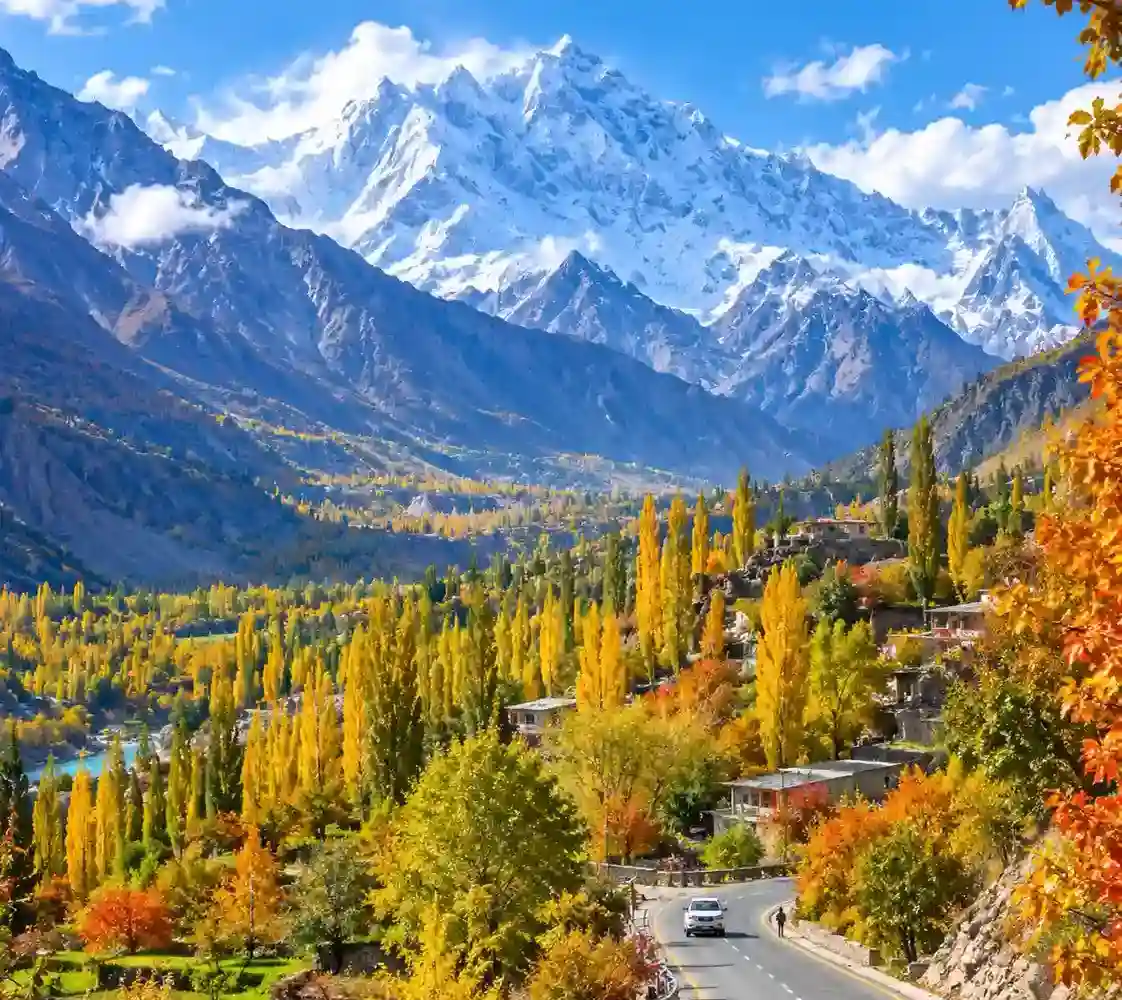
Hunza Valley
Spring can bring blossom to selected lower valley locations, depending on the year. Summer is popular for mountain scenery and road trips, while autumn may bring golden foliage.
Winter can be extremely cold and conditions vary between the valley floor and higher mountain routes.
Skardu
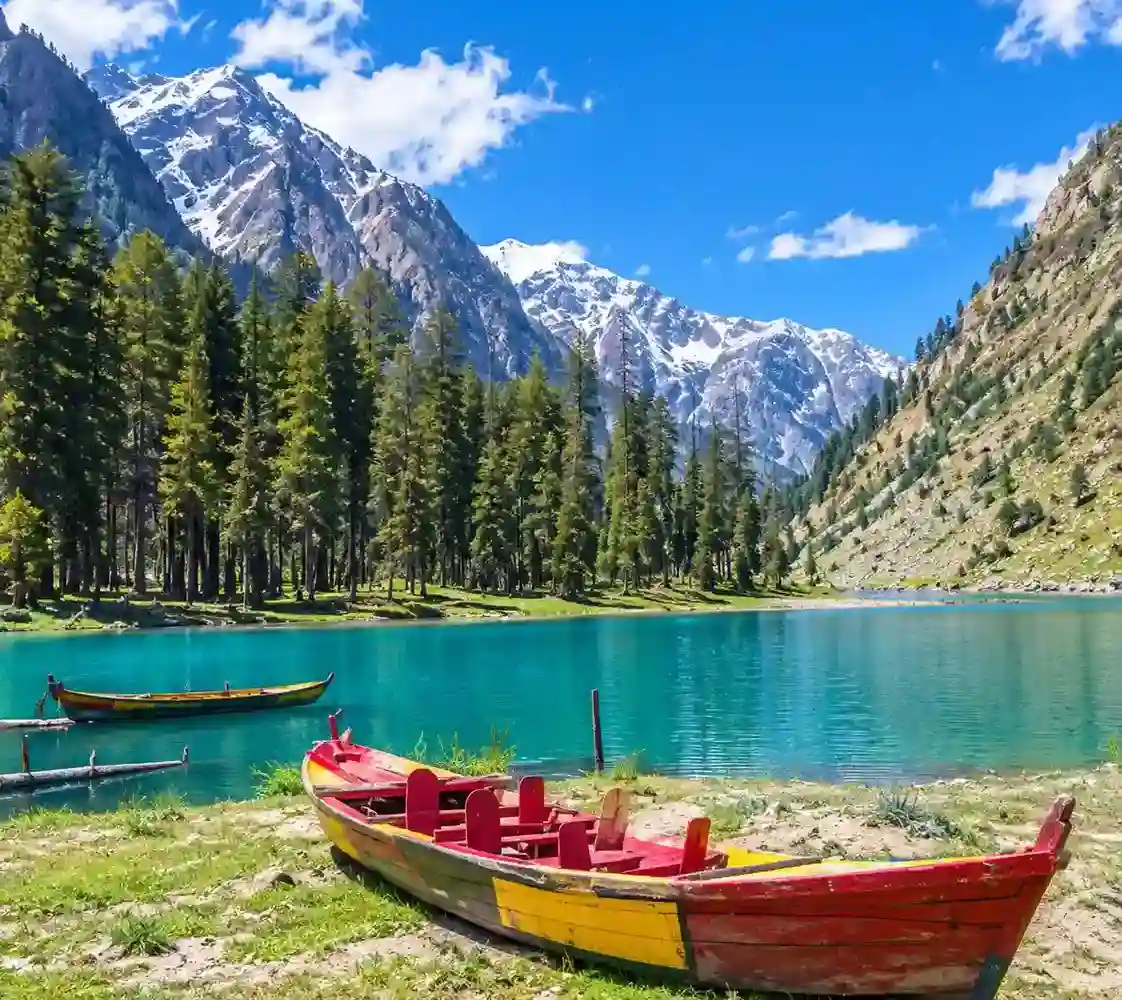
Summer is a common period for planning trips to the Skardu region and surrounding valleys. High-altitude destinations have their own opening conditions.
Autumn can bring changing colours in suitable locations. Winter may bring snow, severe cold and limited access to remote areas.
Naran-Kaghan
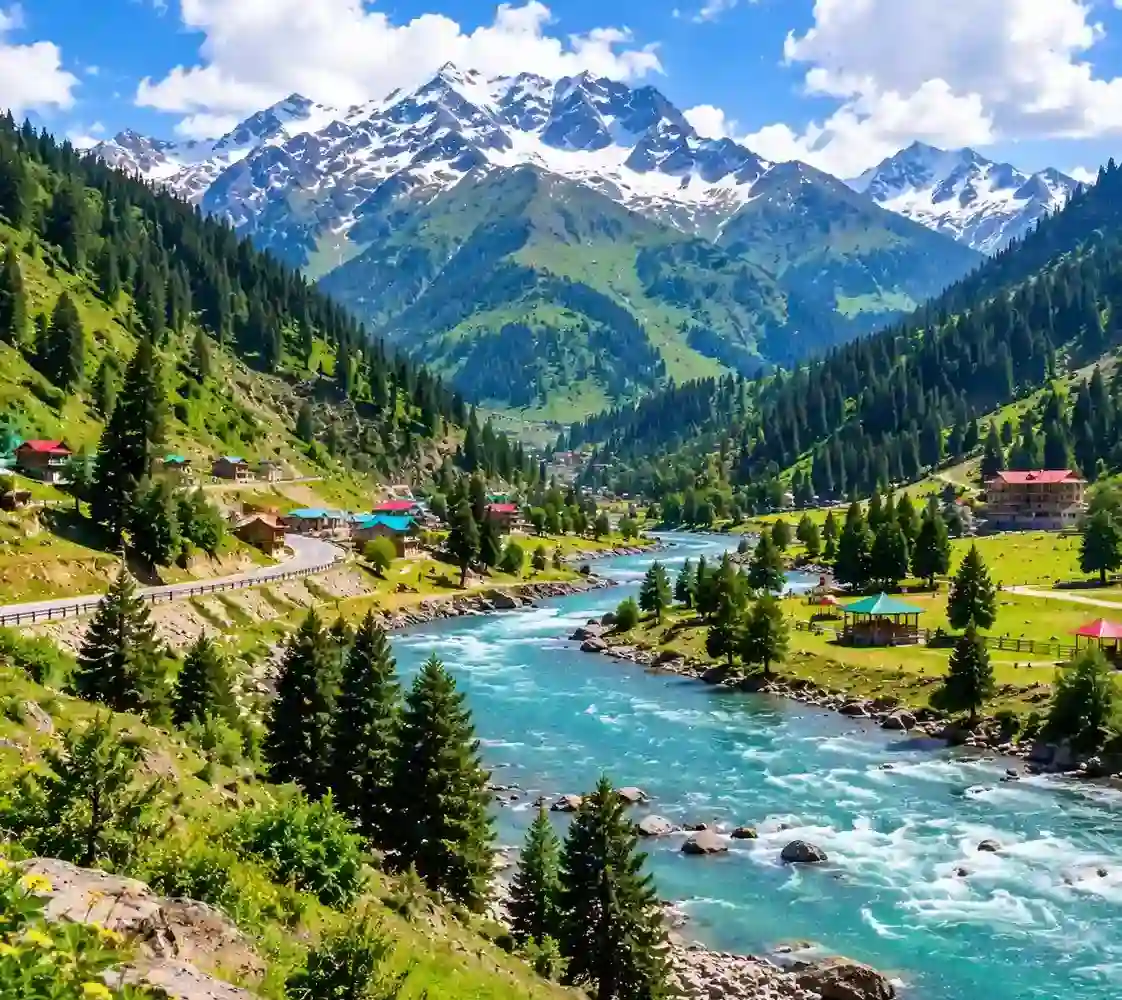
Warmer months are commonly chosen for valley road trips and lake excursions. Upper routes and mountain passes may remain affected by snow or weather.
Confirm conditions separately for destinations such as Saif-ul-Malook, Lulusar Lake and Babusar Top instead of assuming all are accessible.
Swat Valley
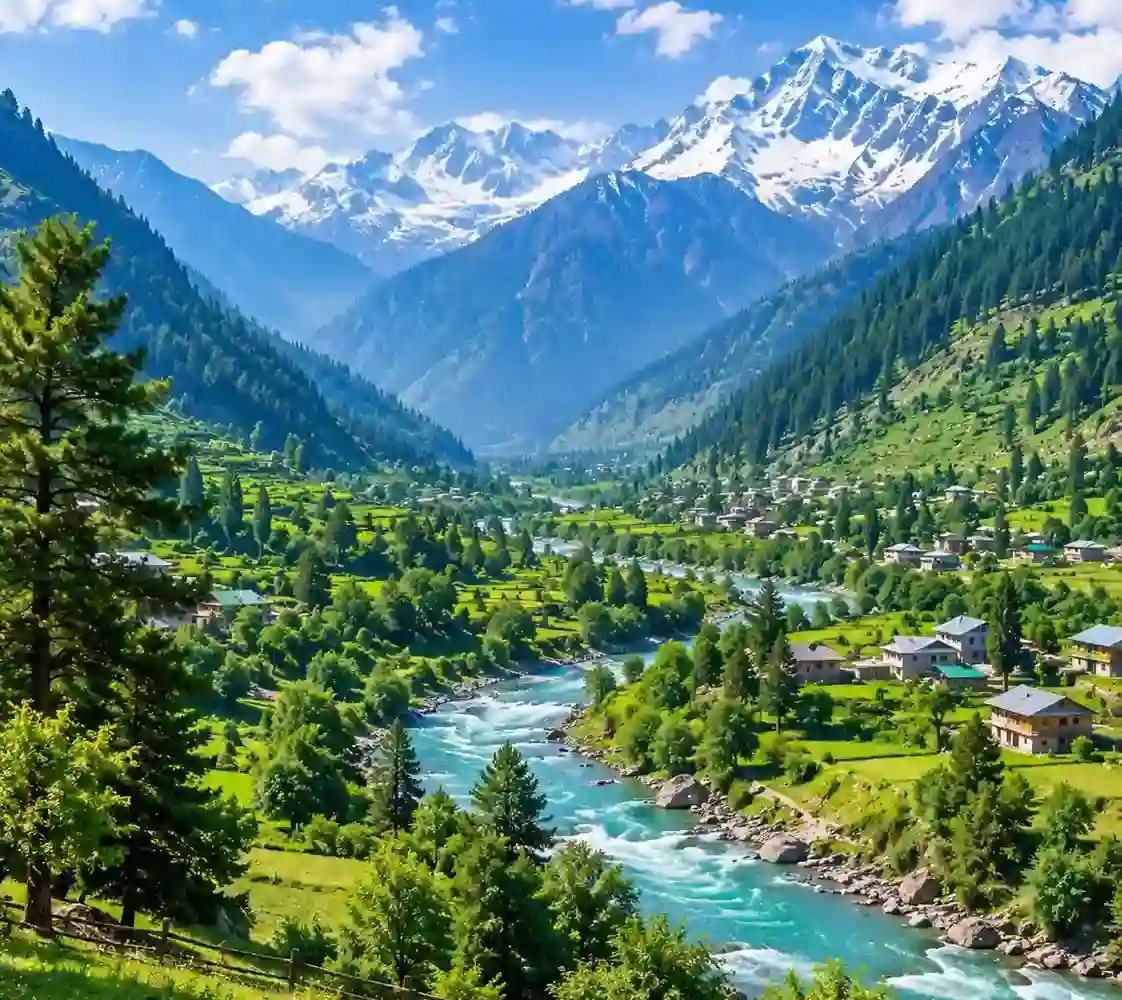
The valley has varied conditions between its lower settlements and higher mountain areas. Warmer months are often associated with green scenery and lake excursions.
Monsoon rain may affect roads and mountain routes. Security advice may also restrict travel independently of the weather.
Check the current regional travel advice
Some areas in northern Pakistan may be covered by official travel warnings or restrictions. A popular summer season does not mean a destination is currently advisable or permitted for every traveller. Check your government's latest guidance before booking.
Best Time to Visit Pakistan's Cities
The cooler months are often more comfortable for walking, architecture and outdoor sightseeing in many lowland cities. Local conditions still matter: winter fog may affect visibility and transport, while summer heat can be intense.
Lahore
Cooler months may be more comfortable for the Walled City, historic architecture, gardens and outdoor markets. Summer can bring severe heat; monsoon rain and winter fog may disrupt some plans.
Islamabad
Cooler weather can suit parks, city landmarks and selected viewpoints. Rain, fog and conditions around the Margalla Hills may affect individual outdoor activities.
Karachi
The cooler period is often more comfortable for city sightseeing and selected coastal outings. Humidity, heat and changing coastal conditions can affect other months.
Multan and Southern Punjab
The cooler part of the year is generally better suited to walking tours and visits to historic shrines. Very hot weather can make outdoor sightseeing uncomfortable.
These are general planning windows, not fixed guarantees. Check local forecasts, attraction opening hours, public holidays and travel advice before confirming dates.
Best Time for Coastal and Desert Destinations
Pakistan's coastal and desert areas have different weather patterns from the northern mountains. Heat, humidity, wind and access can be more important than snow or mountain-pass conditions.
Karachi and the Arabian Sea Coast
The cooler months are often more comfortable for outdoor activities. Before going to beaches or coastal areas, check local conditions, sea warnings, access arrangements and safety instructions.
Thar Desert and Surrounding Areas
Cooler months are generally more practical for desert travel than the hottest part of the year. Arrange reliable transport, carry sufficient water and confirm local road conditions before remote journeys.
Remote Coastal Landscapes
Coastal trips require current local and security advice, especially for isolated routes. Do not assume that a scenic coastal road or remote beach is accessible or advisable to visit.
Choose a Season for Your Travel Style
Different activities rely on different conditions. Use these general pointers alongside current regional forecasts, access checks and applicable security advice.
Mountain Scenery and Road Trips
Summer is a common period for many northern road trips, once specific routes have opened. Keep extra time for rain, roadworks, traffic and transport changes.
Spring Blossoms
Some valleys are known for spring flowers and blossom. The timing varies from year to year and between elevations, so check local updates rather than relying on a fixed blossom date.
Architecture and Cultural Sightseeing
The cooler months can make walking around historic cities more comfortable. Check opening times, local holidays and any site restrictions before visiting.
Autumn Photography
Some northern valleys develop attractive autumn colours. The timing and intensity vary with altitude, tree species, temperature and local weather.
Winter Activities
Some mountain resorts offer seasonal winter activities, depending on weather and operations. Snow can also close roads, so confirm facilities and access in advance.
Monsoon Season: What Travellers Should Know
Monsoon rainfall usually affects parts of Pakistan during the summer months, but the timing, intensity and distribution of rain vary each year. Some areas may receive heavy rain while others stay hot and dry.
Rain can cause urban waterlogging, flooding, landslides and road disruptions in affected regions. Higher mountain areas may experience additional hazards from unstable slopes, fast-flowing streams and sudden changes in weather.
Do not rely on season alone
Check current forecasts and alerts from the Pakistan Meteorological Department and relevant local authorities. Follow warnings and change your itinerary if flooding, landslides or dangerous road conditions are expected.
What to Pack for Each Season
Your packing list should match the regions and activities you plan to visit. A city holiday, a mountain road trip and a remote trek require different preparation.
Layers and Comfortable Shoes
Bring clothing that can be layered, comfortable walking shoes and a light jacket. Northern valleys may be colder than lowland cities.
Sun and Rain Protection
Include sun protection, breathable clothing, drinking water and a suitable rain jacket. Northern trips may require warm layers as well.
Warm Layers
Pack layers for colder evenings and early mornings, particularly in mountain regions where temperatures can drop substantially.
Warm Clothing and Trip Flexibility
Bring warm clothing suited to your destination. For mountain areas, check specialist equipment needs, road access and accommodation facilities before departure.
Essentials for any season
Carry your passport and required travel documents, insurance details, essential medication, chargers, emergency contacts and offline maps. Use suitable sun protection and plan drinking-water access.
Read our Pakistan packing guide for a more detailed preparation checklist.
How to Plan Your Trip Around the Seasons
A practical itinerary balances travel time, the season, your interests and what can realistically be visited. Start with the places that matter most to you, then add nearby stops only when there is enough time.
Choose Your Main Region
Decide whether you prefer mountains, historic cities, coastal scenery or a combination that fits your available travel days.
Check the Usual Seasonal Window
Use this guide to identify typical seasonal conditions, but check the latest destination-specific information before booking.
Verify Weather and Access
Review current forecasts, road updates, permits, opening arrangements and official travel advice.
Leave a Time Buffer
Keep flexibility for transport delays, weather disruptions, changes to road access and additional overnight stays if needed.
Seasonal Trip Ideas
These are examples of how travellers might organise a trip by season. They are planning frameworks only: choose destinations after checking their current travel status and route conditions.
City and Heritage Journey
Focus on suitable cities such as Lahore and Islamabad for historic architecture, museums, markets and cultural experiences. Confirm current travel advice and attraction hours.
Lower-Valley Scenery
Select accessible lower-elevation destinations and check local blossom updates. Avoid assuming that high mountain routes have opened after winter.
One Northern Region
Consider a focused trip to one eligible northern region, with enough days to accommodate road conditions and weather. Verify access separately for every excursion.
Scenery and Photography
Choose locations known for autumn foliage or clear mountain views, where travel is currently advisable. Pack warm layers and confirm local conditions.
Frequently Asked Questions
What is the best month to visit Pakistan?
There is no single best month for every region. June to September is a common planning window for many northern mountain routes, while cooler months often suit sightseeing in lowland cities. Always check actual conditions and applicable travel advice.
When is the best time to visit Hunza?
Spring can bring blossom to selected lower areas, while summer is popular for mountain sightseeing. Autumn can offer colourful foliage. Timing varies with altitude and yearly weather.
Can I visit northern Pakistan in winter?
Winter travel may be possible to selected locations, but high mountain areas can experience severe cold, snow and road closures. Check official conditions and do not assume remote routes are accessible.
Is summer a good time to visit Pakistan?
Summer suits some northern trips where access is available, but it can be extremely hot in many lowland regions. Monsoon rain can also disrupt travel. Choose dates according to your itinerary.
When is Pakistan's monsoon season?
The main summer monsoon period commonly falls between June and September, with considerable variation by year and region. Follow current Pakistan Meteorological Department forecasts and local weather alerts.
Is autumn a good time for Pakistan travel?
Autumn can be suitable for selected city trips and for viewing foliage in some northern valleys. Higher elevations can turn cold quickly and access to remote places may change as winter approaches.
Should I book mountain travel far in advance?
Accommodation and transport planning is useful during busy periods, but check the latest access conditions and cancellation terms before making non-refundable commitments.
Official Weather and Travel Resources
Seasonal guides help with early planning, but live forecasts and current travel restrictions are essential before departure.
Official weather forecasts, alerts, outlooks and other meteorological information.
Official disaster-management information, warnings and preparedness resources.
Official travel advice, including regional restrictions and security guidance for travellers covered by UK advice.
Official Australian government advice on security, entry, health and travel preparation.
Editorial review: 17 October 2026. Seasonal patterns are general guidance; actual conditions, road access and official travel advice may change.