Welcome to Pakistan’s Festival Culture
Pakistan’s calendar includes major Islamic holidays, regional fairs, Sufi traditions, seasonal celebrations, cultural exhibitions and music events. The way a festival is observed can differ between cities, provinces and communities, so there is no single festival experience that represents the entire country.
Some occasions are family-centred and religious, while others include public performances, food stalls, craft displays, sporting events or gatherings at cultural and spiritual sites. For travellers, the best experiences often come from learning about the occasion first and following the lead of local hosts and organisers.
Festival dates, public access, transport and event programmes can change from year to year. Treat this guide as an introduction rather than a confirmed events calendar and verify local arrangements before making bookings.
Plan with flexibility
Before travelling for a particular festival, confirm its dates with a reliable local or official source, check current travel advice and book transport and accommodation early if a large crowd is expected.
Before You Attend: Dates, Access and Local Advice
Islamic holidays follow the lunar calendar, so their dates move through the solar year and may be confirmed close to the occasion. Regional festivals may also depend on local traditions, weather, harvest cycles, organisers and official permissions.
Confirm the event before travelling
Check the event organiser, local administration, venue or relevant tourism authority for dates, entry requirements, photography rules and transport updates. Large public gatherings may involve road closures, security checks or restricted access.
Read the latest UK FCDO travel advice for Pakistan and the guidance issued by your own government. Advice can differ by region.
Festivals and Celebrations to Know
These examples introduce some of the kinds of celebrations visitors may encounter. They are not guarantees of a specific event, date, public programme or visitor access in any particular year.
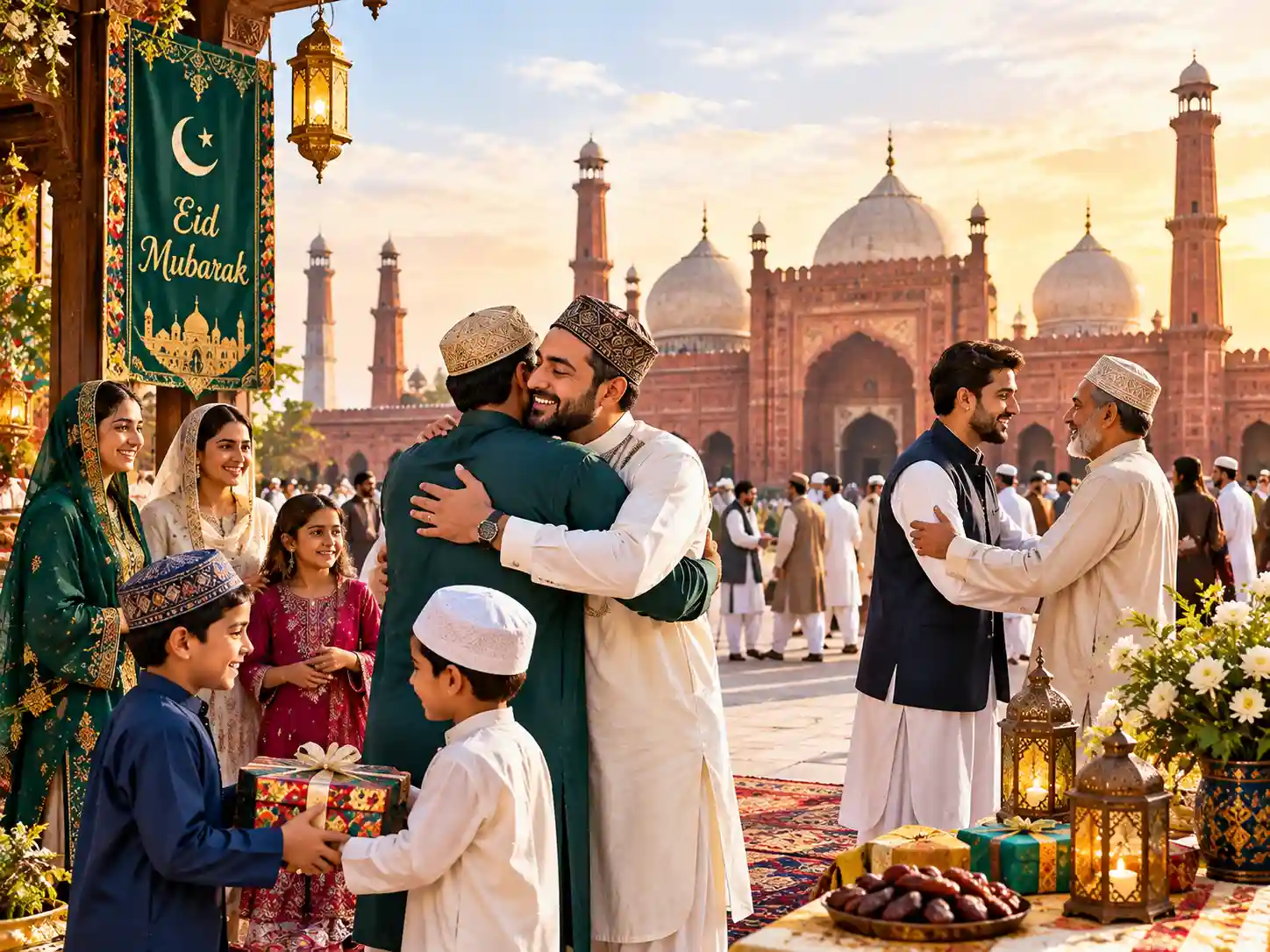
1. Eid-ul-Fitr
Eid-ul-Fitr marks the end of Ramadan. Families gather for prayers, visits, special meals and giving. For visitors, it can be a meaningful time to learn about hospitality, but shops, restaurants and transport schedules may change.
Ask before photographing people or private family gatherings and be considerate around prayer areas.
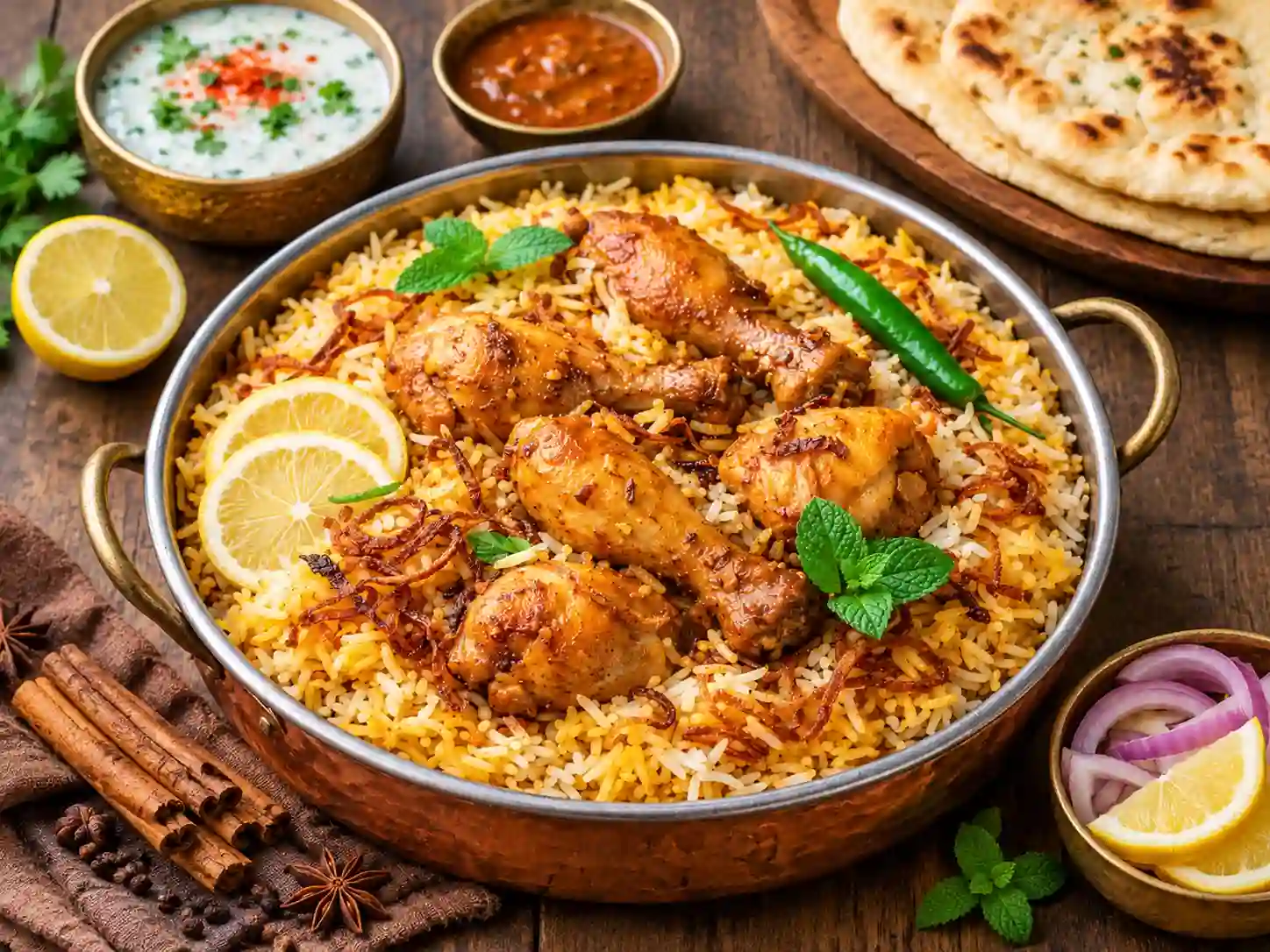
2. Eid-ul-Adha
Eid-ul-Adha is observed through prayer, family gatherings and the sharing of food. Local arrangements can affect markets, traffic and opening hours. Visitors should follow local guidance and avoid treating private or religious moments as tourist spectacles.
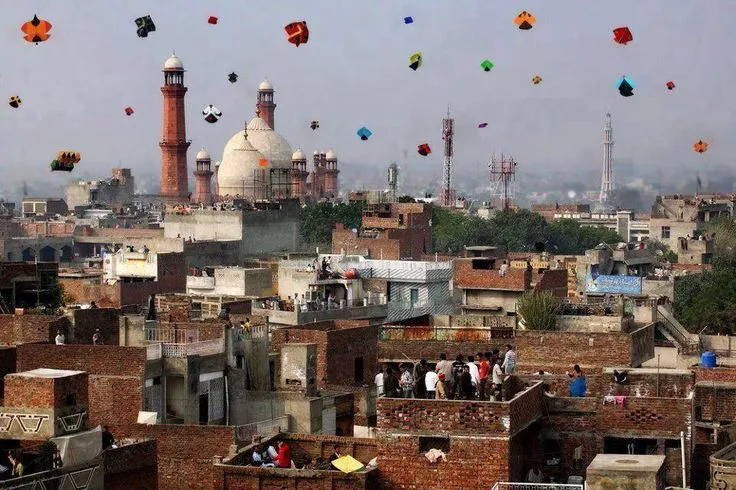
3. Basant and Kite-Flying Traditions
Basant is associated with spring and kite-flying traditions, especially in cultural memory of Lahore. Public celebrations and kite-flying rules have varied over time. Never assume an event is authorised or safe: check current local laws and official notices before attending.
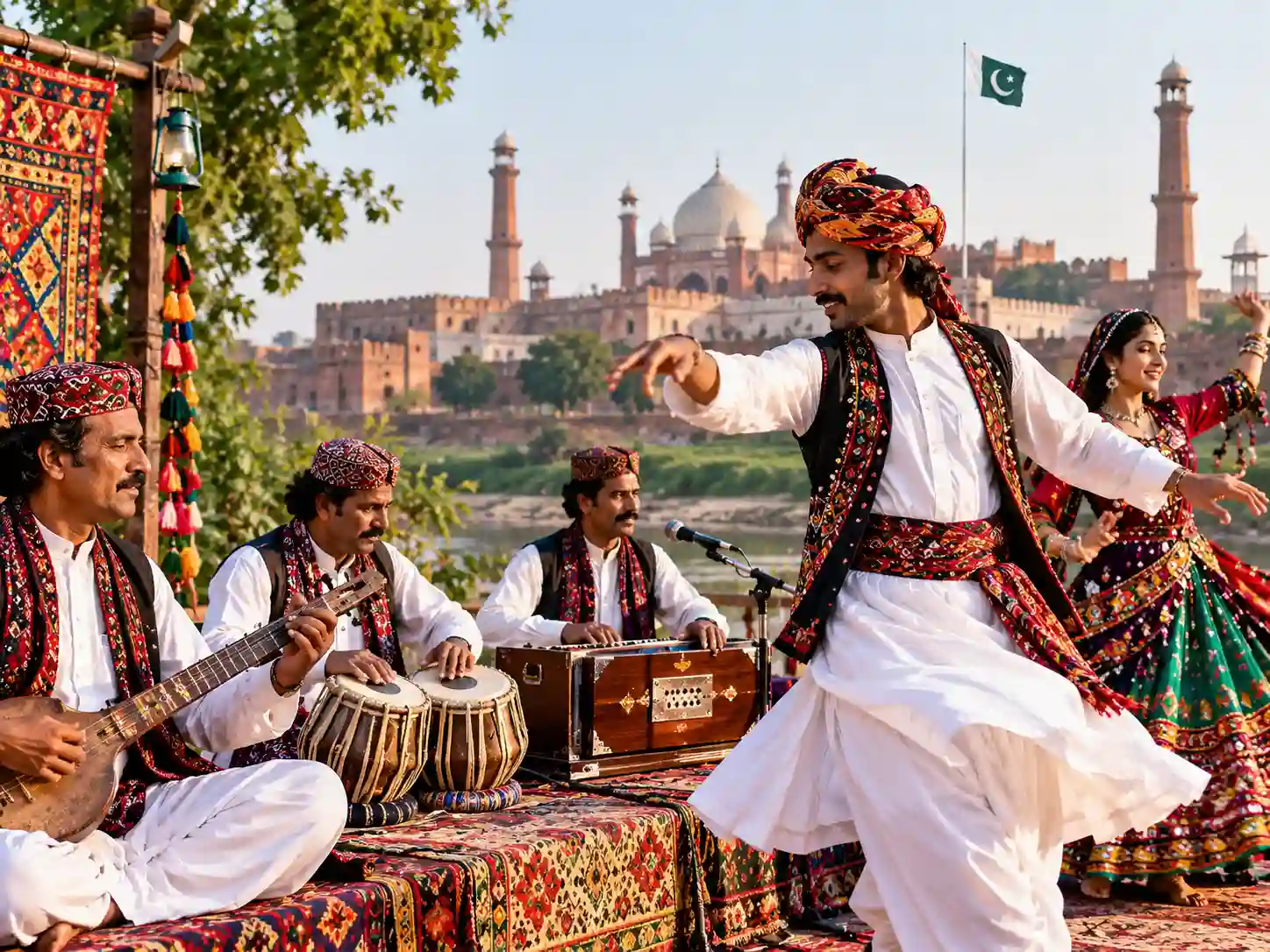
4. Folk Music and Cultural Festivals
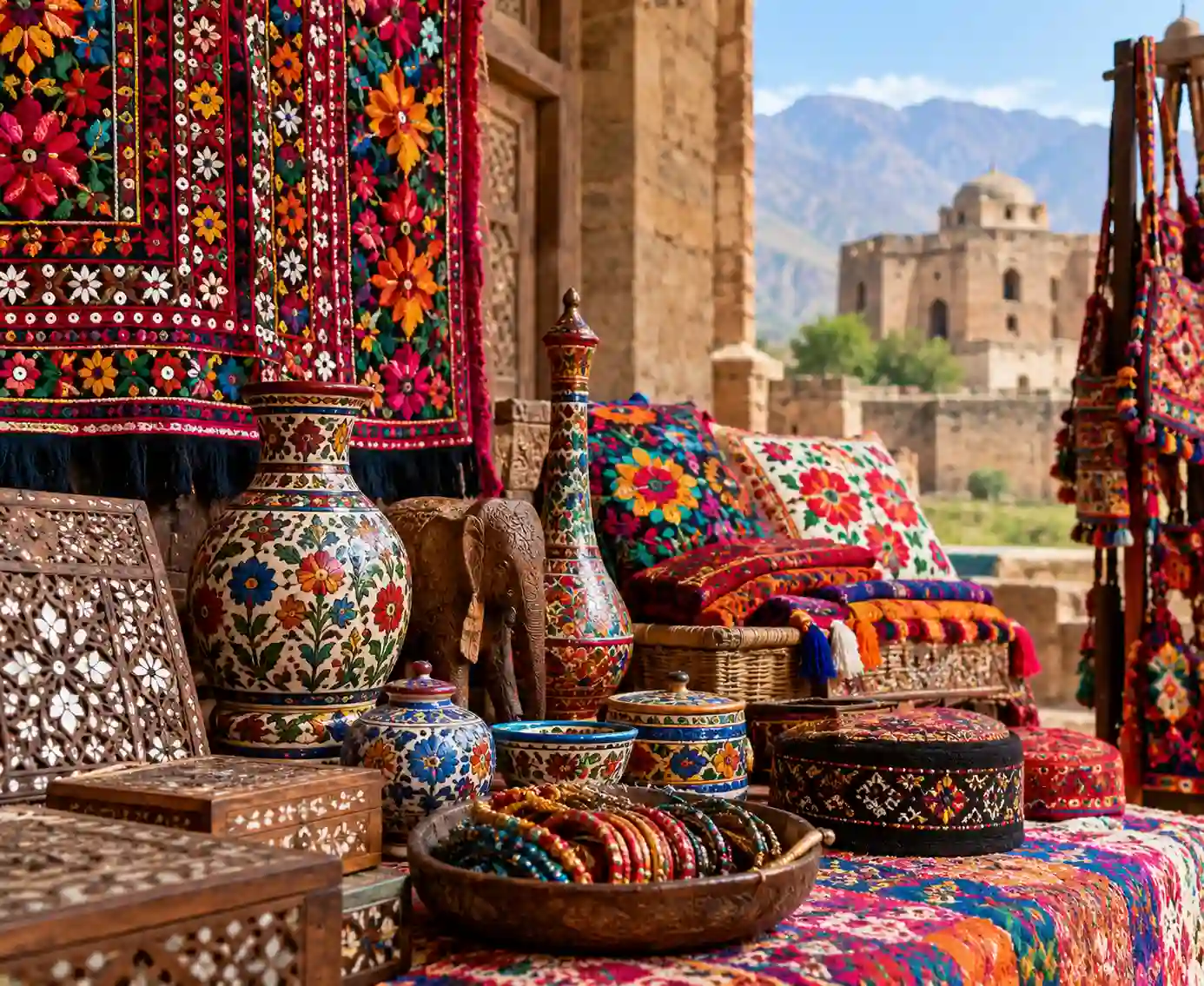
Provincial and city cultural programmes may showcase folk music, dance, poetry, handicrafts, regional clothing and food. Line-ups and public access vary, so check the venue’s own announcements before travelling specifically for a performance.
Regional Celebrations Across Pakistan
Punjab: Cultural events may include folk music, poetry, craft displays, food traditions and celebrations connected with local history. In major cities, official programmes can vary from year to year.
Sindh: Sindhi cultural expression includes ajrak and topi traditions, folk music, poetry, crafts and shrine-centred gatherings. Ask local hosts about the meaning and etiquette of specific events.
Khyber Pakhtunkhwa: Regional music, crafts, poetry and community gatherings reflect the province’s diverse communities. Access and security conditions vary by district, so check current advice for the precise destination.
Gilgit-Baltistan: Local festivals and seasonal observances reflect distinct languages, community histories and mountain environments. Event dates, transport and access can be affected by weather and local arrangements.
Balochistan: The province has rich musical, craft and community traditions. Travel planning should be based on up-to-date regional security advice and reliable local information before choosing a route or event.
Festival Etiquette: How to Be a Respectful Visitor
Dress appropriately
Choose modest clothing for religious settings and follow posted guidance at shrines, mosques and family-oriented events.
Ask before taking photos
Get permission before photographing people, children, private ceremonies or devotional moments. Respect any no-photography signs.
Respect local customs
Observe first, follow organisers’ instructions and avoid interrupting prayers, performances or community activities.
Support local makers
Buy crafts from reputable local sellers, agree prices politely and avoid purchasing antiquities or protected cultural objects.
Food, Markets and Community Gatherings
Food is often an important part of celebrations, from family meals and sweets to regional dishes sold at public events. Availability depends on the occasion and location; not every festival includes public food stalls or visitor services.
Choose busy, hygienic vendors, drink safe water and mention dietary requirements clearly. During religious holidays, opening times and meal availability may differ from normal schedules, so plan ahead rather than assuming every restaurant will be open.
When Is the Best Time to Experience Festivals?
There is no single festival season for all of Pakistan. Islamic holidays move through the calendar, while local cultural events may be tied to seasonal conditions, harvests, school holidays, tourism programmes or specific commemorations.
Spring and autumn can be comfortable for travel in many regions, but weather varies considerably by elevation and province. Before booking, verify the actual event date, expected weather, transport and whether the event is open to visitors.
How to Plan a Festival-Focused Trip
Choose one event and region
Start with a confirmed event or cultural interest, then plan nearby sights rather than attempting to cross the country for several unverified celebrations.
Confirm dates and access
Check official or organiser announcements, public access, tickets, local restrictions and whether the programme is intended for visitors.
Arrange transport and stays
Book refundable options when possible, allow extra time for crowds and confirm how you will return to your accommodation after the event.
Keep a flexible backup plan
Weather, security measures or organisers may change plans. Have alternative cultural sites or activities and follow local instructions.
Safety and Crowd Awareness
Large gatherings can bring traffic, queues and limited mobile connectivity. Keep valuables secure, agree a meeting point with companions, carry essential medication and identify your transport home before the event becomes crowded.
Follow instructions from organisers and local authorities, avoid restricted areas and leave if the situation feels unsafe. Review current travel advice for the exact districts on your route; conditions can differ substantially within a province.
Frequently Asked Questions
What are the most important festivals in Pakistan?
There is no single ranking. Eid-ul-Fitr and Eid-ul-Adha are major religious holidays, while regional cultural programmes, Urs gatherings and seasonal traditions are important in particular communities.
Do festival dates change every year?
Many do. Islamic holidays follow the lunar calendar and regional events may depend on local schedules, weather or organisers. Confirm dates for the year you plan to travel.
Can tourists attend religious festivals?
Some events welcome visitors, while others are private, devotional or subject to access restrictions. Check the venue’s rules and follow guidance from organisers and worshippers.
Is Basant celebrated publicly every year?
Do not assume so. Kite-flying and public events have been subject to changing rules and restrictions. Check current local laws and official announcements before making plans.
Should I book accommodation in advance?
Yes, when an event is confirmed and likely to draw visitors. Choose flexible bookings where possible and confirm transport, cancellation terms and the venue’s access arrangements.
Official Resources for Further Planning
- Pakistan tourism information for general trip-planning resources.
- UK FCDO Pakistan travel advice for current regional safety guidance.
- Government of Punjab for provincial announcements and information.
- Gilgit-Baltistan tourism for regional destination information.
This guide is an introduction to Pakistan’s festival culture, not a live events calendar. Confirm event details and local rules with official sources before travel.