Understanding Pakistan’s Cultural Diversity
Pakistan is home to many languages, regional identities, landscapes and ways of life. Punjabi, Sindhi, Pashto, Balochi, Saraiki, Urdu, Shina, Balti, Burushaski and other languages are spoken across different communities. Urdu is a national language and a common means of communication, while English is used in many professional, educational and tourism settings.
Culture is not uniform. Customs in a large city may differ from those in a village, mountain community or religious setting. Treat this guide as a starting point, not a checklist that every person or region follows.
Lead with curiosity and respect
A friendly greeting, patience and asking before assuming are often the best ways to navigate unfamiliar customs. If you are hosted by a family or invited to an event, let your hosts guide you.
Hospitality and Social Etiquette
Hospitality is important in many Pakistani communities. Guests may be offered tea, snacks or a meal and refusing immediately can sometimes seem abrupt. If you cannot accept, a warm thank-you and a brief explanation are usually appropriate. You are not required to accept anything that makes you uncomfortable.
Use polite language, avoid raising your voice during disagreements and be mindful of personal space. In more traditional settings, people may prefer to interact with visitors of the same gender. Follow the other person’s lead and do not assume that everyone is comfortable with handshakes or physical contact.
Greetings
“Assalam-o-alaikum” is a widely used greeting. A smile and a polite “hello” also work; respond naturally to the greeting offered.
Tea and invitations
Hospitality may include tea or food. Accept graciously if you wish and communicate dietary needs respectfully.
Shoes indoors
Look for shoes placed by the entrance or ask your host whether you should remove yours.
Clothing and Modesty
Shalwar kameez is widely worn by people of different genders, alongside many other styles of clothing. Dress varies with climate, age, occupation, personal taste and occasion. Visitors do not need to wear local clothing, but modest attire is often a comfortable choice, particularly in rural communities, religious places and family settings.
At mosques and shrines, cover shoulders and legs, remove shoes where required and follow posted instructions. Some sites have additional expectations for head coverings or visitor access. Ask staff if you are unsure.
Religion, Sacred Places and Respect
Islam is the majority religion in Pakistan and the country is also home to religious minorities and historic sites associated with different faiths. Prayer times, Ramadan and religious holidays can affect opening hours, transport and food availability.
At mosques, shrines, temples, churches and other sacred places, behave quietly, follow local rules and avoid interrupting worship. Ask permission before photographing worshippers, ceremonies or restricted areas. Do not assume every religious site is open to tourists.
Check access before you go
Opening arrangements and entry rules may change. Confirm visitor access with the site or relevant local authority and follow any security screening or photography restrictions.
Food, Shared Meals and Table Manners
Food is a major part of social life, with regional cuisines shaped by local ingredients, history and family traditions. Meals may include rice, breads, lentils, vegetables, meat, pickles, chutneys and tea, but what is served varies widely by place and household.
In some homes, people eat with the right hand or share dishes; in others, cutlery is customary. Follow your host’s lead and wash your hands before a meal when facilities are available. If you have allergies or dietary restrictions, explain them clearly rather than relying on assumptions.
During Ramadan, be considerate around people who are fasting. Restaurant availability and opening hours vary by location and local rules, so check ahead.
Arts, Crafts, Music and Literature
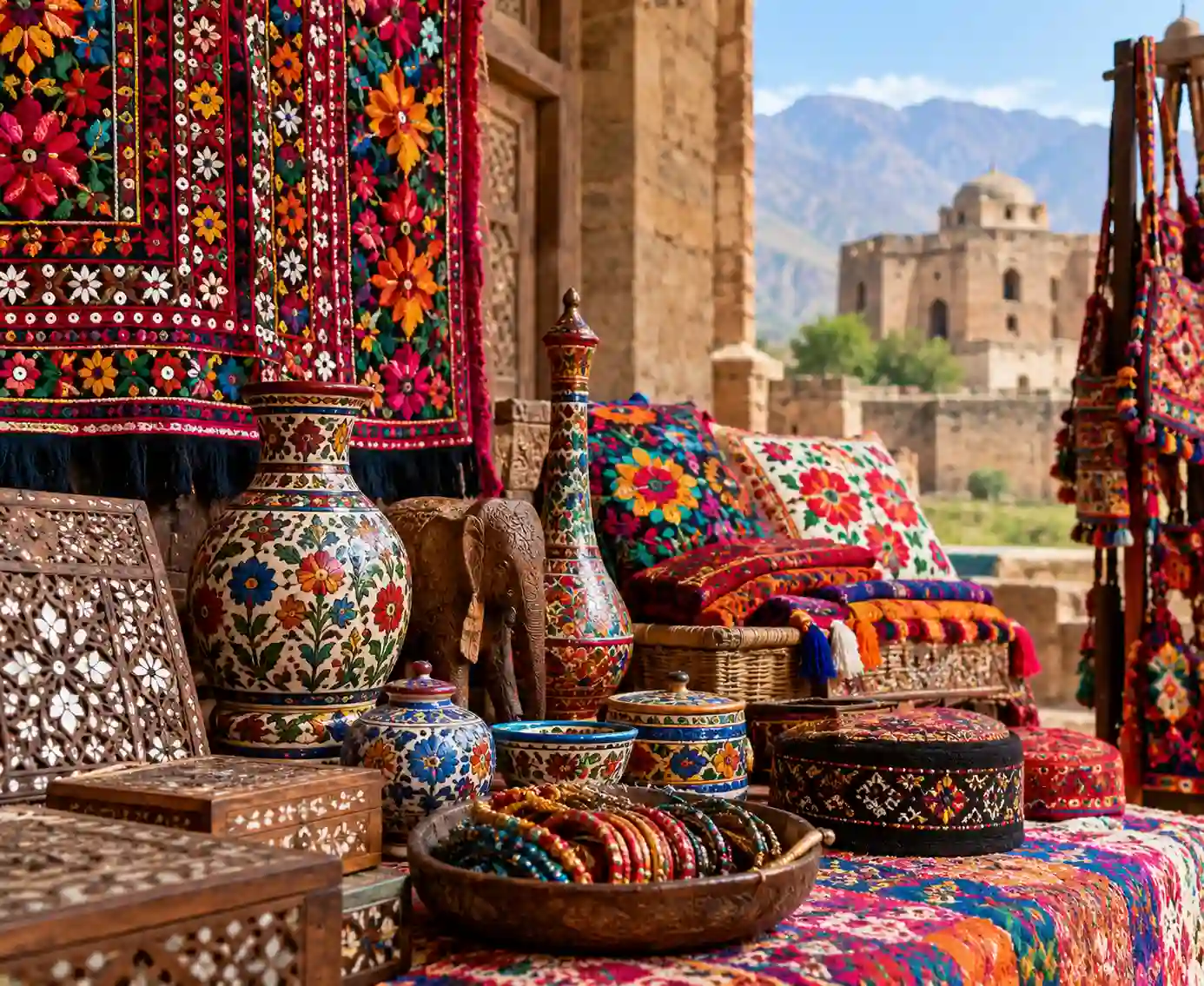
Pakistan’s cultural expression includes truck art, embroidery, weaving, pottery, woodwork, calligraphy, miniature painting, architecture, poetry and storytelling. Craft styles differ by region and community; markets and museums can be useful places to learn about their background.
Music traditions include classical forms, folk music, devotional performance and contemporary genres. Poetry has a prominent place in several languages, including Urdu, Punjabi, Sindhi and Pashto. Performances may be public, private, religious or ticketed, so confirm whether visitors are welcome.
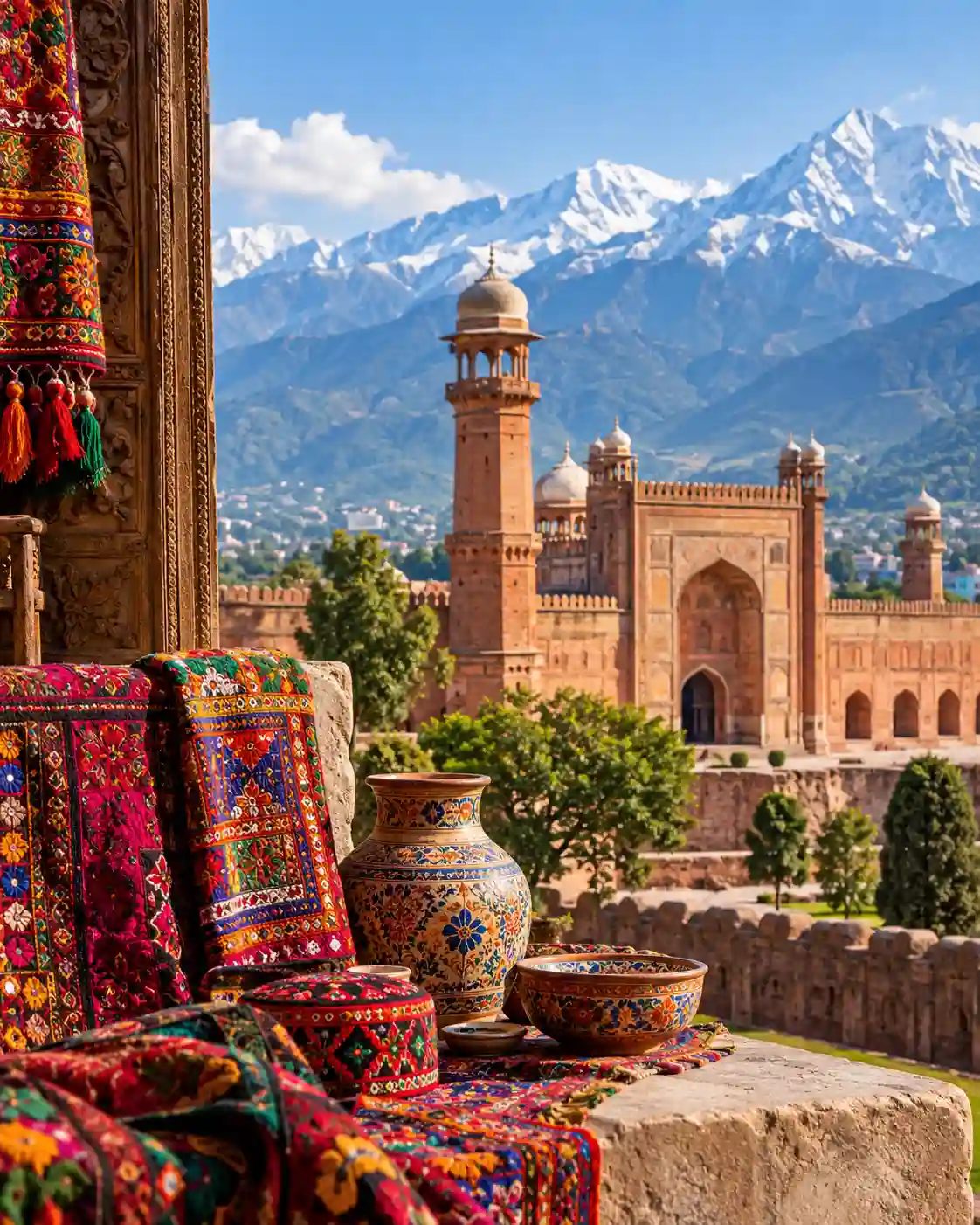
Regional craft traditions
Look for locally made textiles, pottery and decorative arts. Ask vendors about the maker and materials and avoid buying antiquities or protected cultural objects.
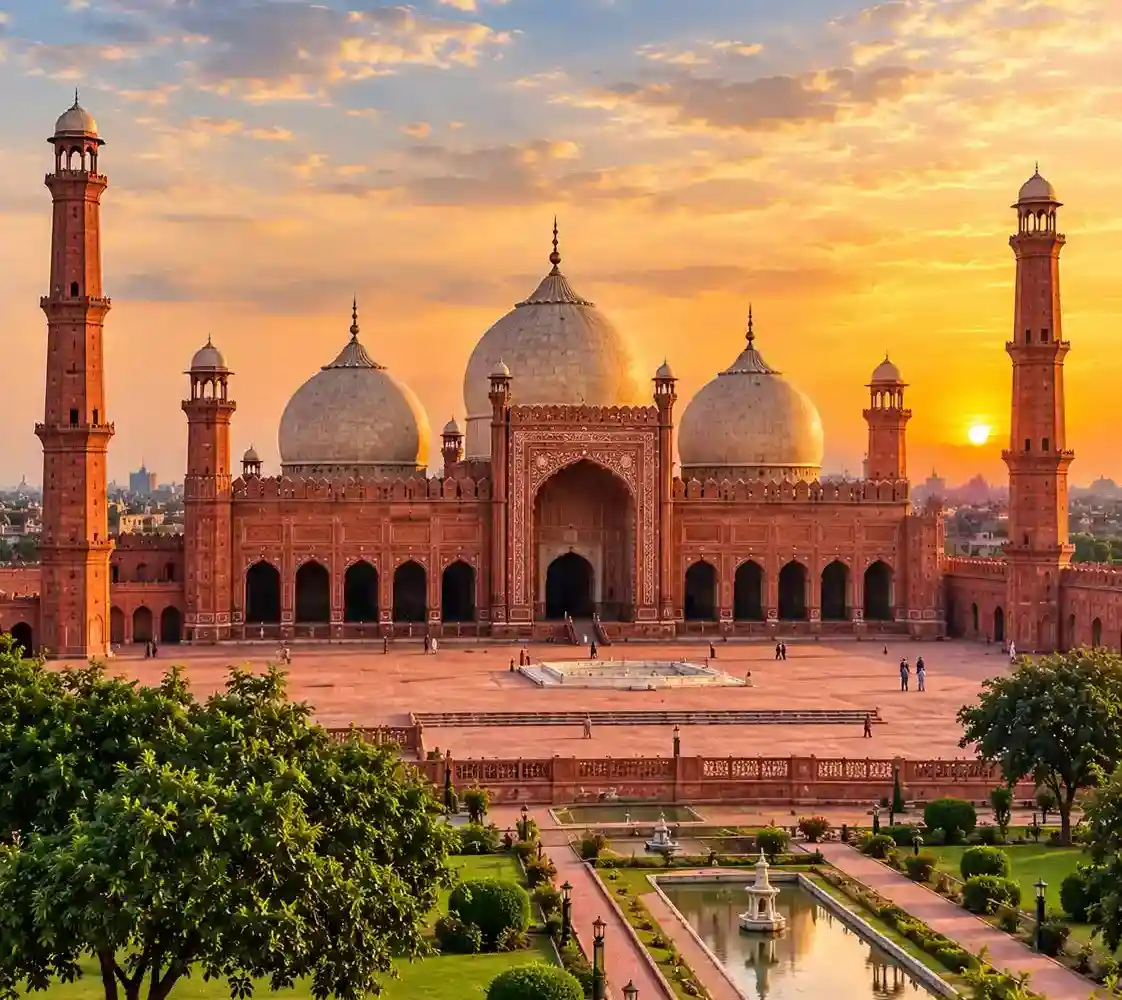
Historic buildings
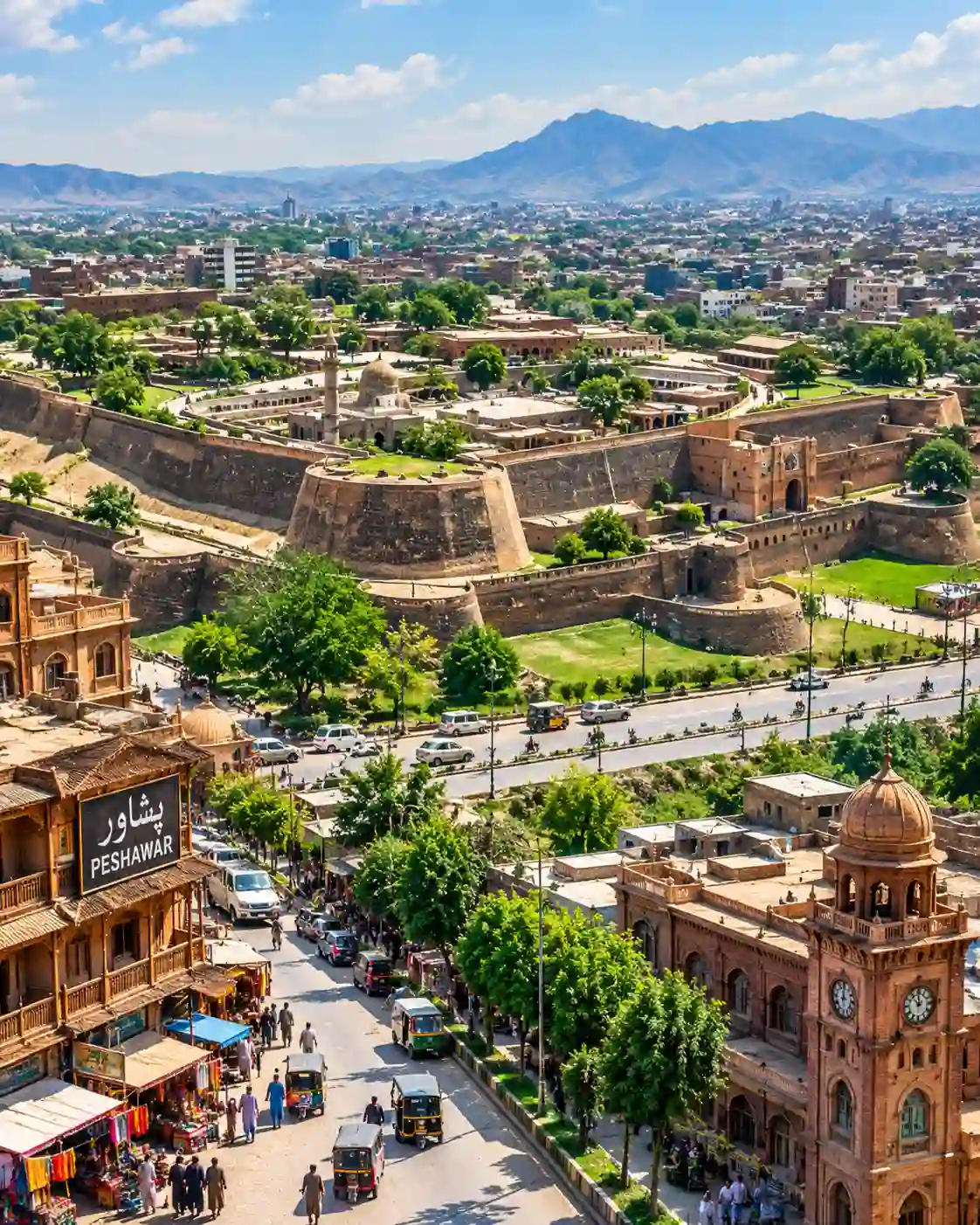
Mosques, forts, shrines, colonial-era buildings and traditional neighbourhoods reflect different periods and local histories. Use reputable guides and respect restricted areas.
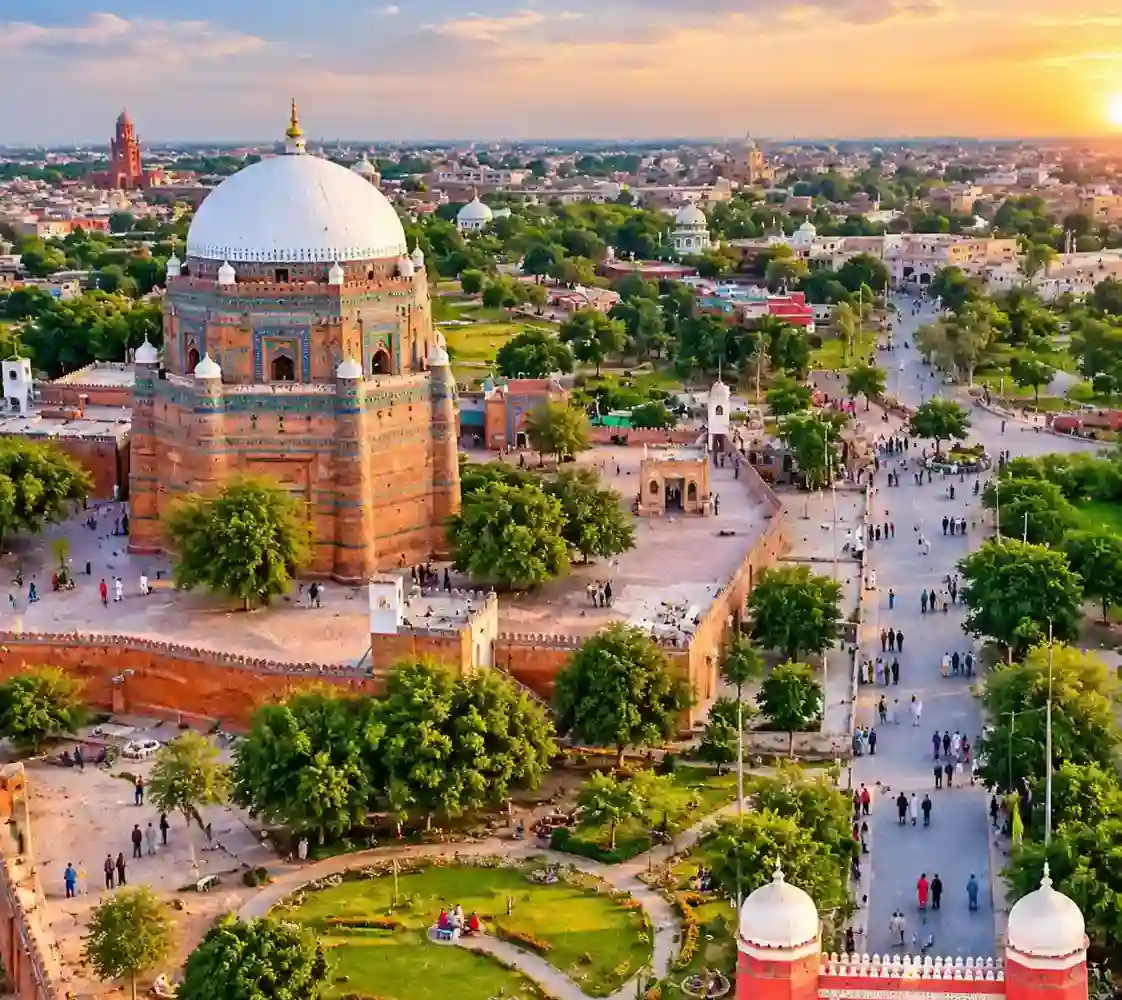
Shrines and devotional traditions
Some sites are active places of worship as well as heritage landmarks. Dress modestly, observe quietly and follow instructions from site staff.
Regional Identity Across Pakistan
Punjab, Sindh, Khyber Pakhtunkhwa, Balochistan, Gilgit-Baltistan, Azad Jammu and Kashmir and the Islamabad Capital Territory each contain diverse communities and local traditions. Even within one province, language, food, dress, music and customs can vary from district to district.
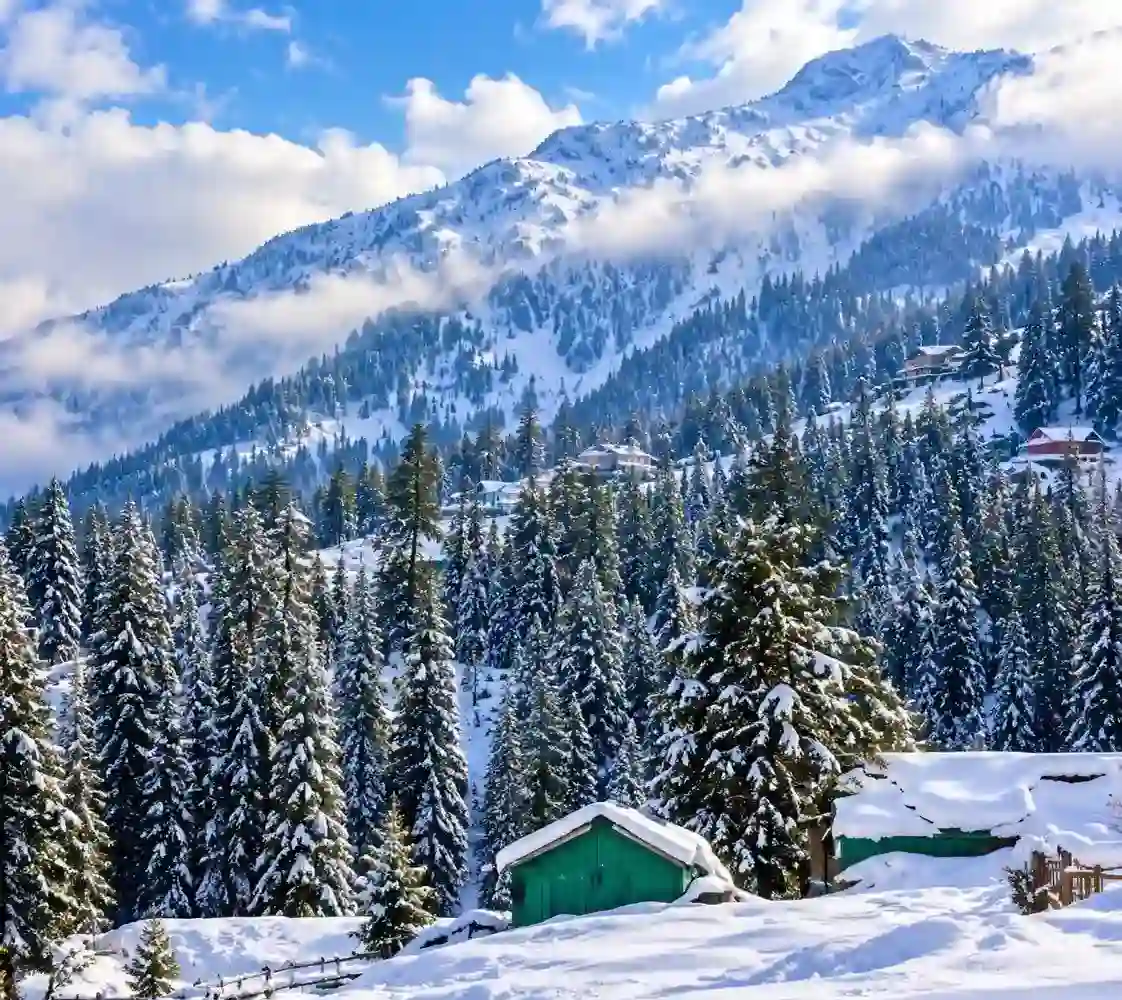
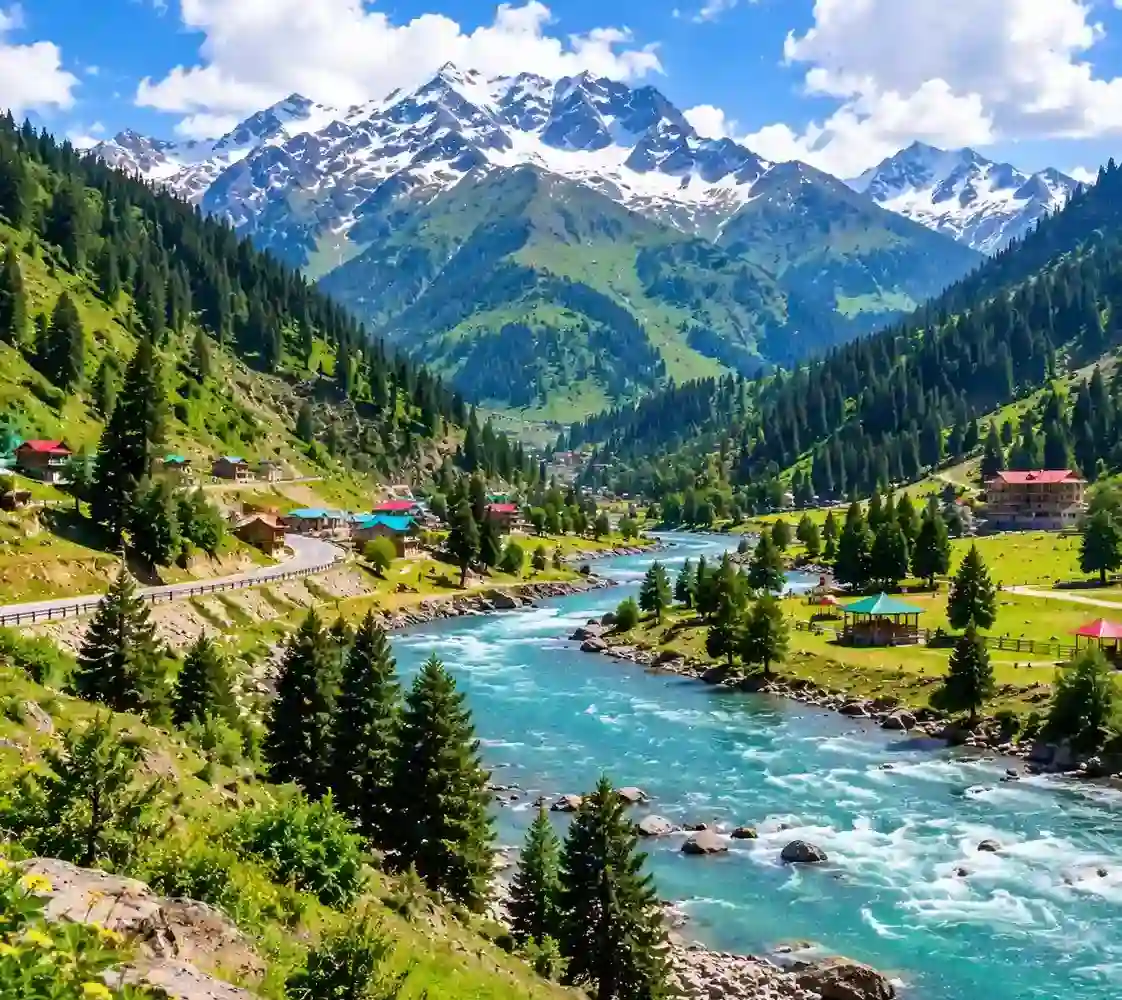
In northern mountain regions, local languages and community practices may differ from those of the plains. In coastal Sindh and Balochistan, maritime history and regional crafts contribute to local identity. Urban centres bring together people from across the country. Avoid describing one custom, outfit or dish as representative of everyone.
Photography, Privacy and Conversation
Always ask before taking close-up photographs of people, children, private homes, ceremonies or military and security facilities. A person may decline for personal, cultural or religious reasons. Respect that answer without argument.
Be careful with sensitive topics and avoid treating communities as curiosities. Questions about language, food, crafts or local history can be good conversation starters when asked politely. If a topic seems unwelcome, move on.
Practical Tips for Culturally Respectful Travel
Learn a few phrases
Simple greetings and “thank you” can make interactions warmer. Ask locals how to pronounce words respectfully.
Carry suitable clothing
Pack modest, weather-appropriate clothes and a scarf or covering for sites where it may be requested.
Ask before joining
Check whether an event or gathering is public and whether visitors are welcome before participating.
Buy responsibly
Support legitimate artisans and avoid wildlife products, antiquities or items whose legal status is unclear.
Safety and Current Travel Advice
Local conditions and travel restrictions can vary by district and change over time. Before travelling, review current advice from your government, confirm local transport and venue arrangements, and follow instructions from authorities. Cultural interest should not override a current safety warning.
Official travel advice for Pakistan is available from the UK Foreign, Commonwealth & Development Office. Also check guidance from your own country and local tourism authorities.
Frequently Asked Questions
What is Pakistani culture known for?
Pakistan has diverse regional traditions, languages, food, music, poetry, crafts, architecture and forms of hospitality. No single custom represents every community.
What should tourists wear in Pakistan?
Choose comfortable, weather-appropriate clothing. Modest attire is a practical choice in many public and religious settings and sacred sites may have specific dress rules.
Is it acceptable to photograph people?
Ask first, especially for close-up portraits, children, private homes, worshippers and ceremonies. Respect refusals and posted restrictions.
Do people across Pakistan speak Urdu?
Urdu is a national language and widely used, but many regional languages are spoken. English is also used in some professional, educational and tourism settings.
How can I be a respectful guest?
Greet people politely, observe local cues, ask before assuming, follow religious-site rules and accept that customs differ between individuals and communities.
Official Resources for Further Planning
- Pakistan tourism information for general trip-planning resources.
- UK FCDO Pakistan travel advice for current regional safety guidance.
- Government of Punjab for provincial information.
- Gilgit-Baltistan tourism for regional destination information.
Use this guide as a general introduction. Local customs differ, and current site access and travel advice should be checked before a visit.