Why Photograph Pakistan?
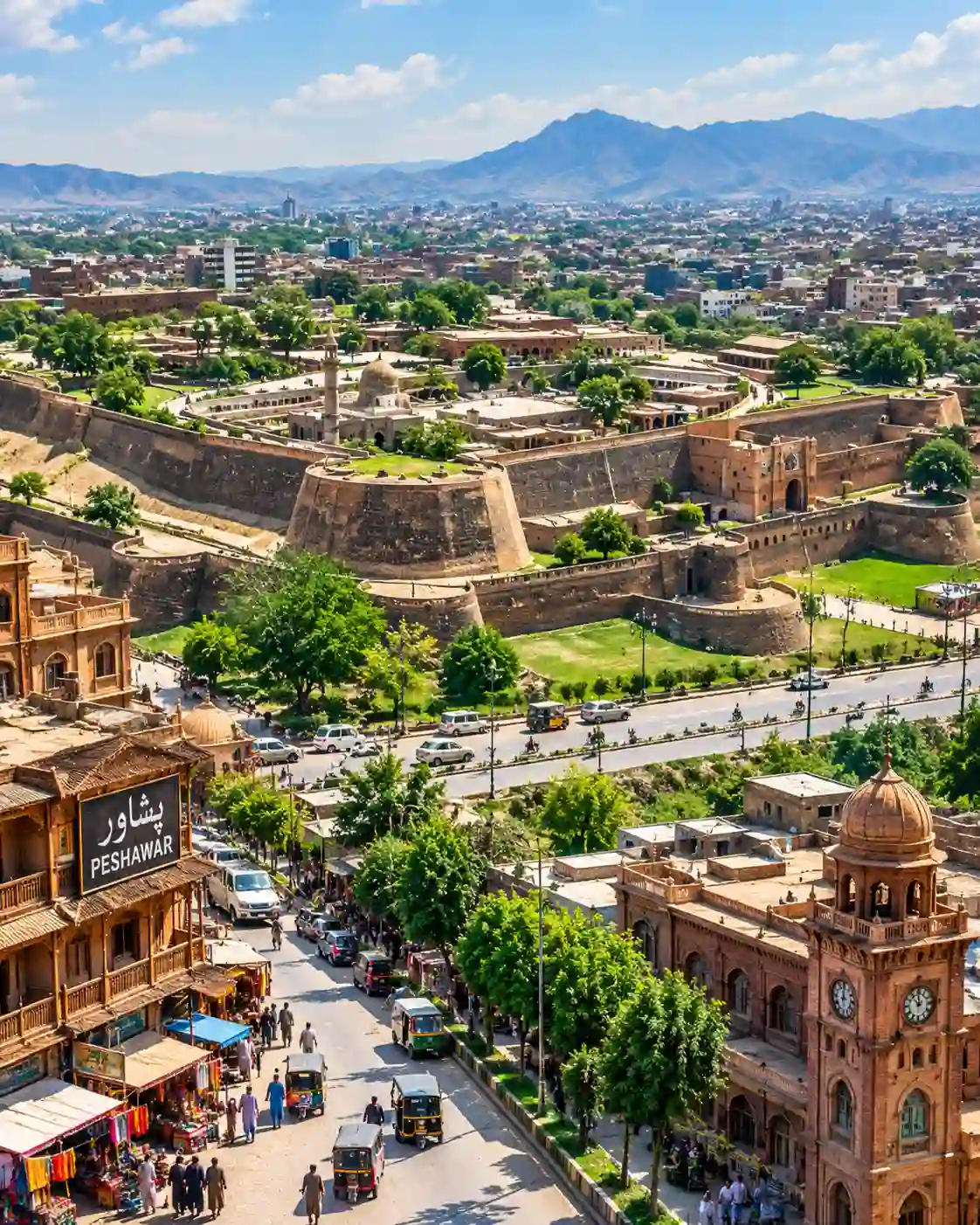
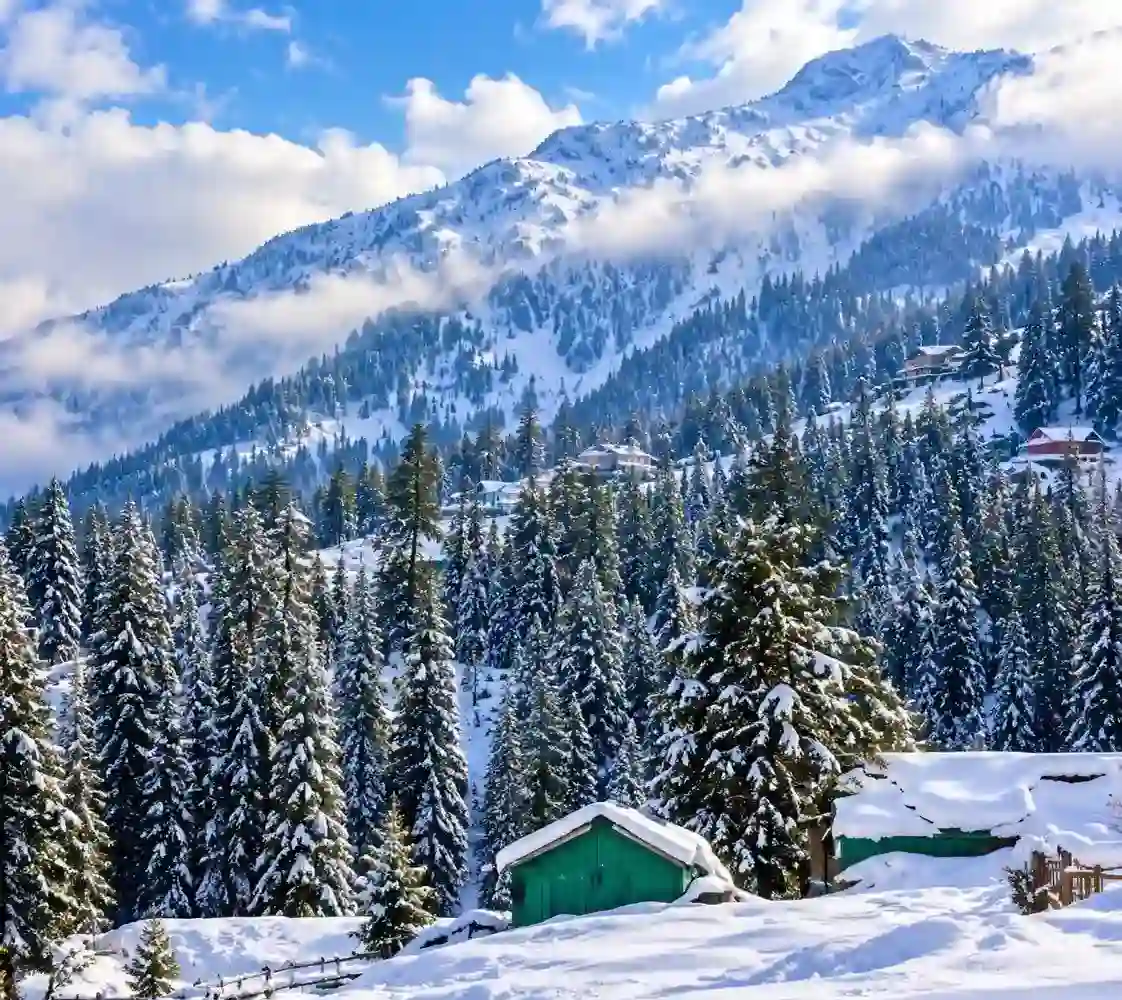
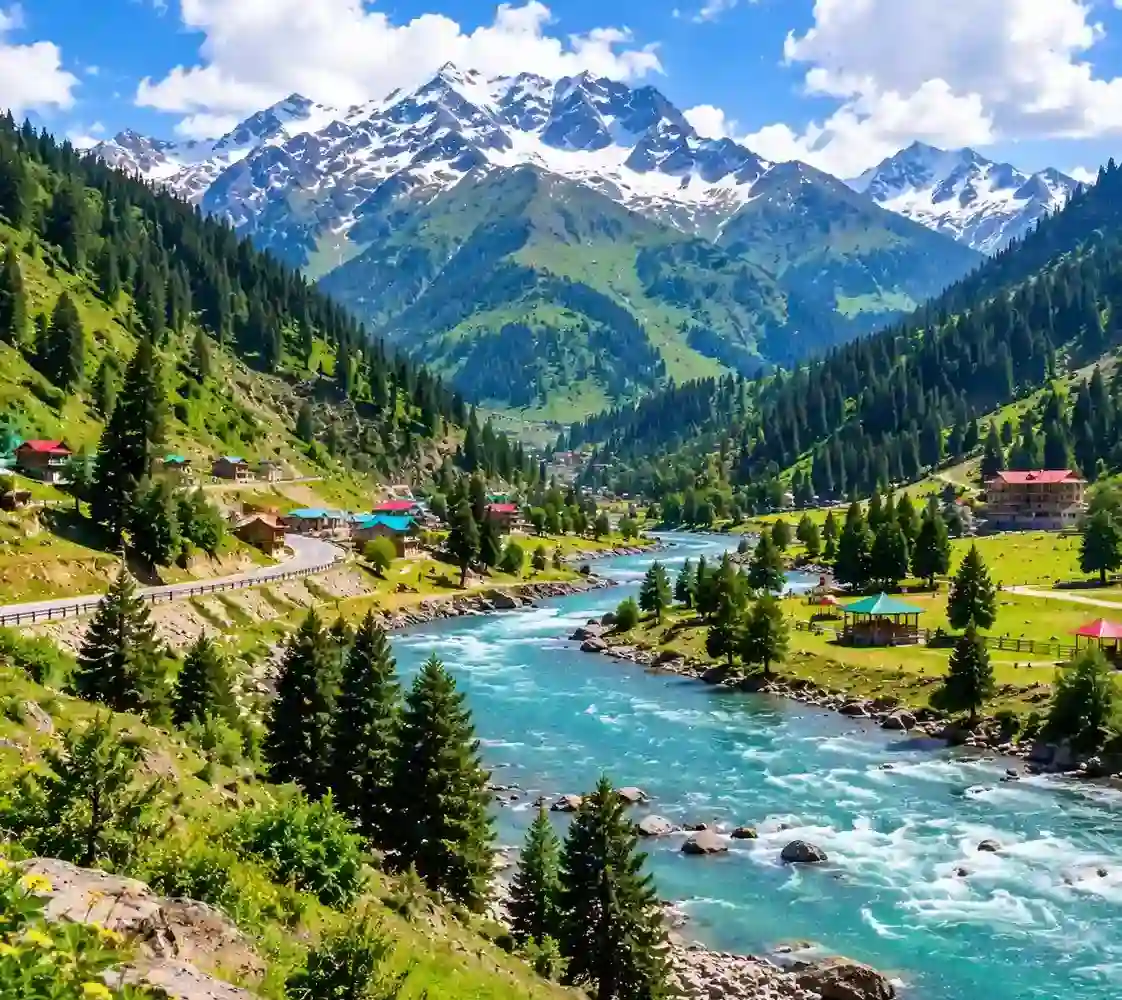
Pakistan’s landscapes and built heritage offer many different photographic experiences within one country. The north has dramatic mountain ranges, glaciers, lakes and high-altitude settlements. Cities such as Lahore and Multan have historic architecture, courtyards, shrines and lively streets, while coastal and desert regions offer different textures, colours and light.
Good travel photography is not only about finding a famous viewpoint. Allow time to notice details: a doorway, a market stall, changing cloud over a valley, patterns in a textile or the relationship between a historic building and the street around it. Photograph with curiosity and leave space in your plan for conditions to change.
Build a flexible photo plan
Choose a few priority locations, identify sunrise or sunset opportunities and keep backup subjects nearby. Mountain weather, road conditions, crowds and site access can affect a tightly scheduled itinerary.
Photography Locations to Consider
Use these regions as starting points rather than promises of a particular view or access. Check local conditions and the rules at each site before travelling.
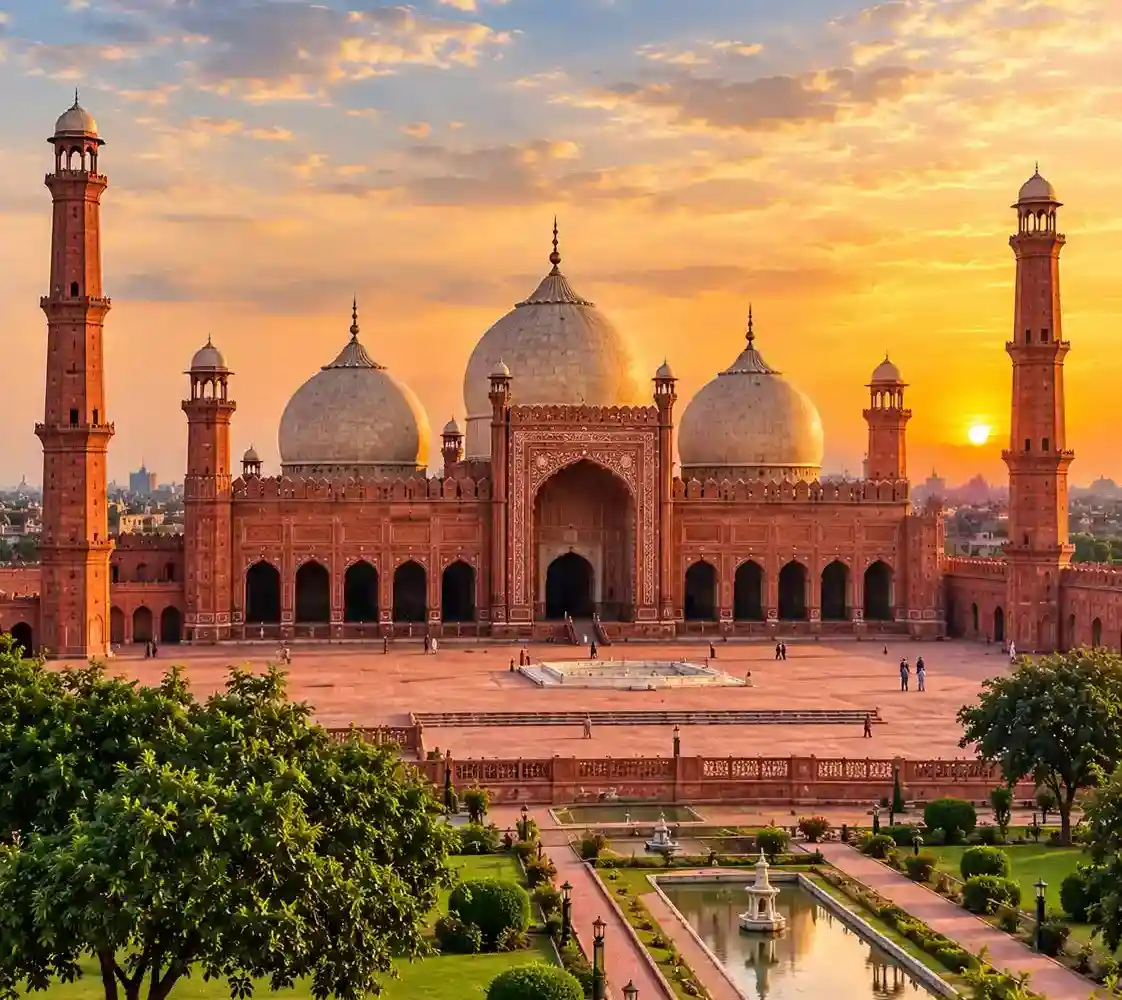
Lahore
Photograph Mughal-era landmarks, old-city streets, gardens and architectural details. Visit heritage sites during permitted hours and check restrictions on tripods, commercial work and interior photography.
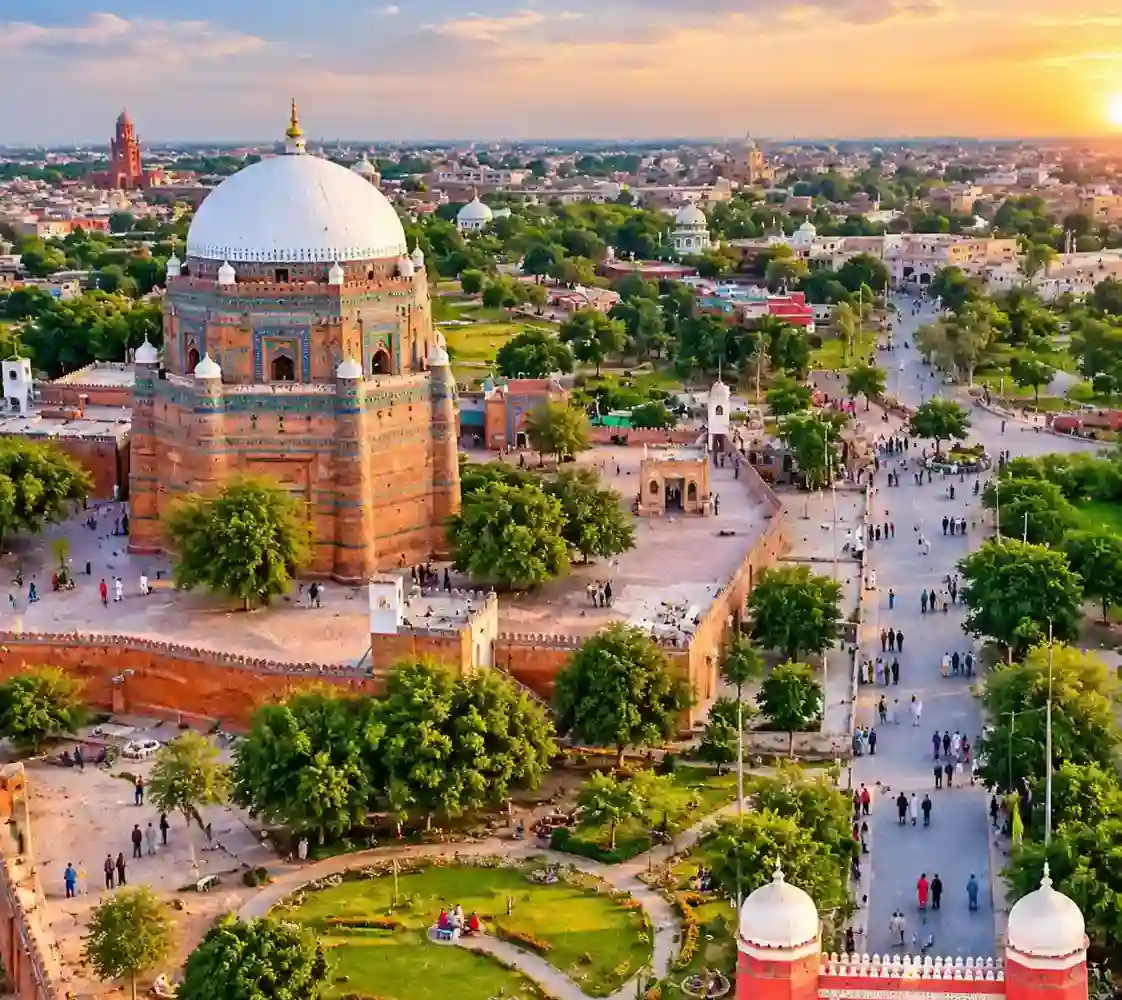
Multan
Explore tilework, decorated façades, historic streets and local crafts. Shrines remain active sacred spaces, so keep a respectful distance and follow photography guidance from staff.
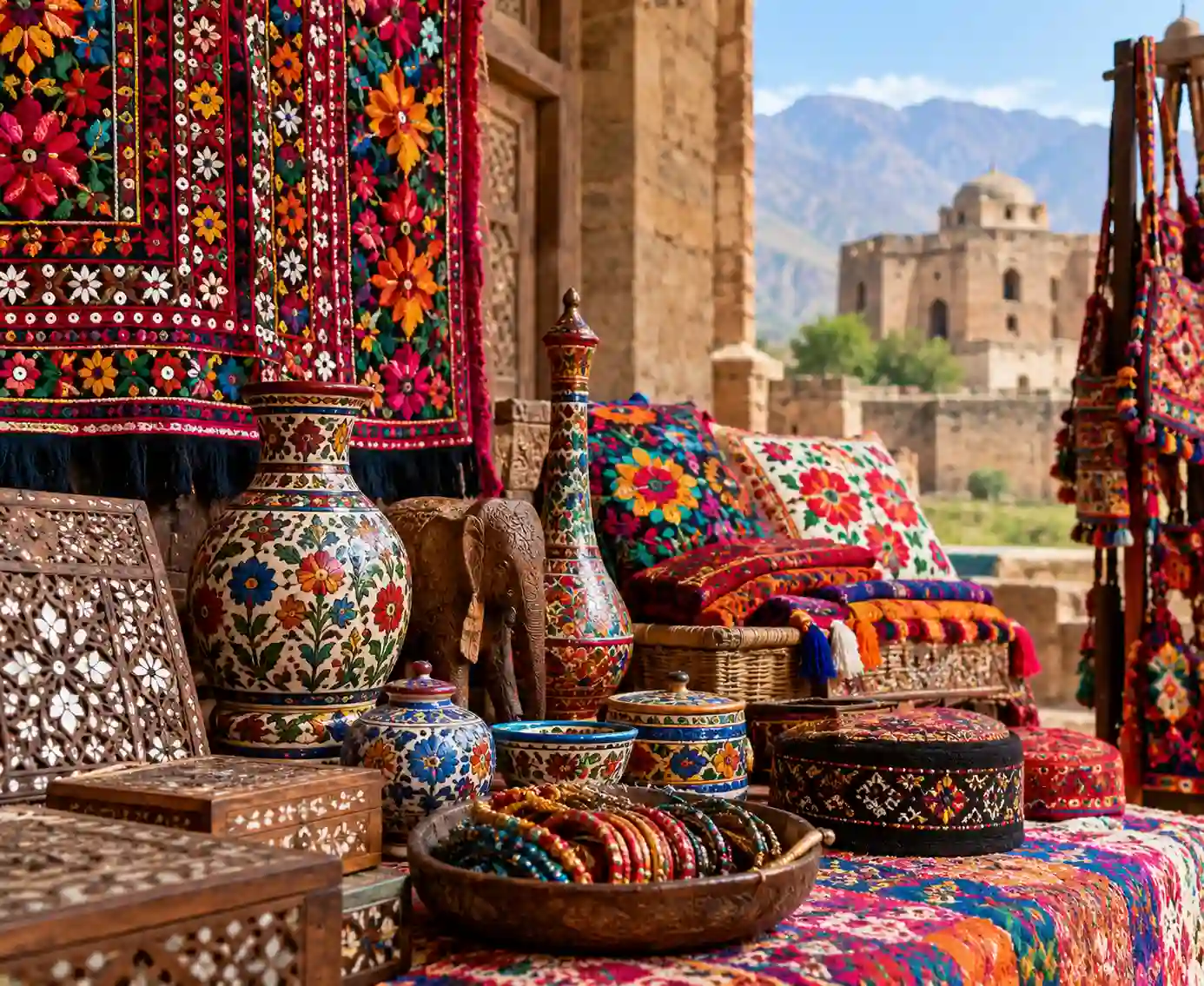
Bazaars and craft markets
Look for textiles, embroidery, metalwork, pottery, food displays and everyday scenes. Ask vendors before making close-up photographs of people, products or work in progress.
For mountain landscapes, consider destinations such as Hunza, Skardu, Fairy Meadows, Swat and the Naran–Kaghan region when travel conditions and access allow. Lakes, mountain passes and viewpoints may require long drives, walking or acclimatisation. Do not assume a location is safe or reachable simply because it appears in a photograph online.
Use Light to Improve Your Photographs
Light often matters more than expensive equipment. Early morning and late afternoon can create softer shadows, warmer tones and more depth in landscapes and architecture. Midday light can be harsh, but it may work well for graphic patterns, colourful markets, interiors with filtered light or high-contrast black-and-white images.
Sunrise
Useful for quieter viewpoints, soft light and mountain silhouettes. Leave enough time to reach the location safely in darkness.
Late afternoon
Side light can reveal texture in mountains, stonework and old buildings. Check when a site closes before planning a late visit.
Blue hour
The period around twilight can suit city architecture and illuminated streets. Use a stable support only where it is allowed and safe.
Cloudy weather
Soft light can be flattering for portraits, crafts and close-up details. Protect equipment from rain, dust and sudden temperature changes.
Sunrise and sunset times vary by date and location. Check a reliable local forecast and sunset calculator before setting out, and treat weather apps as guidance rather than a guarantee in mountainous terrain.
Camera Gear: Pack for the Trip You Have
You do not need a large camera kit to make meaningful travel photographs. A phone, a compact camera or a mirrorless/DSLR setup can all work well when you understand the equipment and plan for the environment.
Versatile lens
A standard zoom or phone camera can cover many travel scenes. A wide lens helps with architecture and landscapes, while a short telephoto can isolate distant details.
Power and storage
Carry charged batteries, a power bank suitable for your devices and enough memory. Back up important images when a secure connection or storage option is available.
Weather protection
Use a rain cover or dry bag, a microfibre cloth and a sealed pouch for dust. Avoid sudden temperature changes that can cause condensation.
Support and filters
A lightweight tripod can help with low light but may be restricted at some sites. A lens hood and polarising filter can be useful when appropriate; learn their effects before the trip.
For high-altitude or remote travel, keep the kit manageable. Extra weight can slow walks and make transfers more difficult. Carry only what you can protect and use confidently.
Landscape Photography in the Northern Areas
Mountain scenes can look different from the image you imagined: cloud may hide a summit, snow can make roads difficult and haze can reduce distant contrast. Instead of waiting only for a perfect wide view, photograph foreground details, village patterns, rivers, trees, trails and changes in weather.
Use a foreground element to give a wide scene scale and avoid placing every horizon in the centre unless symmetry is intentional. If you use a phone, tap to focus and check exposure so bright snow or sky does not lose all detail. For moving clouds or water, a tripod and longer exposure may help, but only set up where it is stable and permitted.
Never risk the route for a photograph
Stay behind barriers, keep away from unstable edges and do not block roads or trails. Check local advice, travel with suitable clothing and tell someone your plan when heading into remote areas.
Photographing Historic Buildings and Sacred Sites
Architecture rewards patience. Look for repeating arches, geometric patterns, doorways, tilework, inscriptions and the way people use a public space. A detail photograph can communicate the character of a place without needing to show the whole building.
Historic sites, mosques, shrines, temples, churches and other sacred places may have restrictions on photography, flash, tripods, drones or access to particular rooms. Read posted signs and ask staff when rules are unclear. Put the camera away during prayer or private ceremonies if photography is not clearly welcome.
Do not climb on monuments, touch fragile surfaces for a composition or move objects to improve a frame. Use public viewpoints and approved visitor routes and consider hiring an authorised local guide when historical context would improve your visit.
Portraits, Markets and Everyday Life
People are not props. Ask permission before making a close-up portrait, especially of children, workers, vendors, worshippers or people in private spaces. A smile or a gesture can help begin the conversation, but it is not a substitute for clear consent. If someone declines, thank them and move on.
In busy markets, explain what you want to photograph when practical. Some vendors may agree to a portrait but not to a photograph of their goods, while others may prefer not to be photographed at all. Do not promise payment, publication or anonymity unless you can honour that promise. Be extra careful when images could expose a person to embarrassment, risk or unwanted attention.
Ask clearly
Use simple words or gestures and show the camera. If the answer is unclear, do not assume permission.
Respect children’s privacy
Seek permission from a parent or responsible guardian and consider whether the image is necessary at all.
Share responsibly
Think about captions, geotags and whether a public post could identify a vulnerable person or sensitive location.
Composition and Simple Camera Settings
Start with a clear subject. Move a few steps, change your height or simplify the background before reaching for complicated settings. Leading lines, layers, reflections and repeating shapes can help guide the viewer’s eye. Take a wider frame for context and a closer frame for detail.
- Keep the horizon level: use your camera’s grid or level indicator when available.
- Watch the edges: check for distracting objects entering the frame.
- Protect highlights: bright skies, white buildings and snow can easily lose detail.
- Use burst mode selectively: it can help with movement, but review and delete unwanted frames later.
- Learn exposure basics: aperture affects depth of field, shutter speed controls motion and ISO affects sensitivity and image noise.
If you shoot in RAW, plan to edit the files later and carry enough storage. JPEG or phone images may be easier when you want to share quickly. The best format is the one that suits your workflow and available backup options.
Drones, Permits and Restricted Photography
Drone operation and photography rules can depend on location, airspace, site management and current security conditions. Do not assume that a drone is permitted because another traveller has used one. Before travelling with a drone, verify the current requirements with the relevant Pakistani authorities and the local site or protected-area management.
Avoid photographing military facilities, checkpoints, airports, government installations or other sensitive locations where photography may be restricted. Follow instructions from security personnel and do not argue about a restriction. Rules can change, so confirm them close to your travel date.
Plan a Photography-Friendly Itinerary
Build your itinerary around realistic travel times rather than a long list of photo stops. A location that appears close on a map may require a slow mountain road, a hike or a transfer. Leave time for weather delays, meals, rest and returning before dark when appropriate.
Research access
Confirm opening hours, ticketing, seasonal closures and whether tripods or commercial shoots need permission.
Check conditions
Review local forecasts, road information and official travel advice before leaving your accommodation.
Back up images
Use more than one copy for important photographs where practical. Keep devices and storage media secure.
Support local guides
A knowledgeable local guide can help with context, access, safe routes and respectful introductions.
Personal Safety and Equipment Care
Keep your camera and phone secure in crowded places and avoid displaying all your equipment at once. Use a comfortable strap, keep bags closed and do not leave gear unattended while setting up a shot. Store backups separately from your main camera when possible.
In remote areas, prioritise suitable footwear, water, sun protection, warm layers and a charged phone or other communication option appropriate to the route. Tell your accommodation or a trusted contact about longer excursions. If local people or authorities advise against a route, choose another subject.
Review current advice from your own government and local authorities before travel. The UK Foreign, Commonwealth & Development Office Pakistan advice is one reference for regional security information; it does not replace guidance relevant to your nationality or exact destination.
Frequently Asked Questions
What are the best places for photography in Pakistan?
That depends on your subject. Lahore and Multan offer historic architecture and street details, while northern destinations such as Hunza, Skardu, Swat and Naran–Kaghan are known for mountain scenery. Check access and conditions before planning a visit.
What is the best time of day for travel photography?
Early morning and late afternoon often provide softer light. Midday can still work for details, markets, patterns and scenes where stronger contrast is intentional. Weather and site opening hours also matter.
Can I photograph people in Pakistan?
Ask permission before close-up portraits and respect refusals. Take particular care with children, worshippers, private homes and people who may be vulnerable or uncomfortable being photographed.
Can I use a tripod or drone at tourist sites?
Rules differ by site and may change. Check with site management and relevant authorities before using tripods, drones or equipment for commercial photography.
Do I need a professional camera?
No. A phone or compact camera can produce strong travel images. Knowing how to use your equipment, planning for light and treating subjects respectfully matter more than owning expensive gear.
How should I protect photographs while travelling?
Carry enough power and storage, keep equipment protected from dust and moisture and back up important files when practical. Keep backup copies separate from your primary device if possible.
Useful Resources
- Pakistan tourism information for general travel-planning resources.
- UK FCDO Pakistan travel advice for current regional guidance.
- Gilgit-Baltistan tourism for regional destination information.
Photography access, weather, road conditions and local restrictions can change. Verify details with the relevant destination or site authority before you travel.