What Makes Travel in Pakistan Special?
Pakistan brings together dramatic mountain landscapes, coastlines, deserts, historic cities, living craft traditions and a wide range of regional cuisines. A memorable trip does not have to mean a difficult expedition or an expensive activity. It can be a guided walk through an old neighbourhood, a meal with a local host, a visit to a working craft studio or time spent learning about a place from people who live there.
The best experience depends on your interests, mobility, season, budget and the time available. Build a trip around a few meaningful activities rather than trying to fit every region into one journey.
Keep the plan realistic
Distances can be long and mountain travel can be affected by weather, road conditions and seasonal closures. Confirm logistics locally and keep buffer time between major stops.
1. Experience the Mountain Landscapes
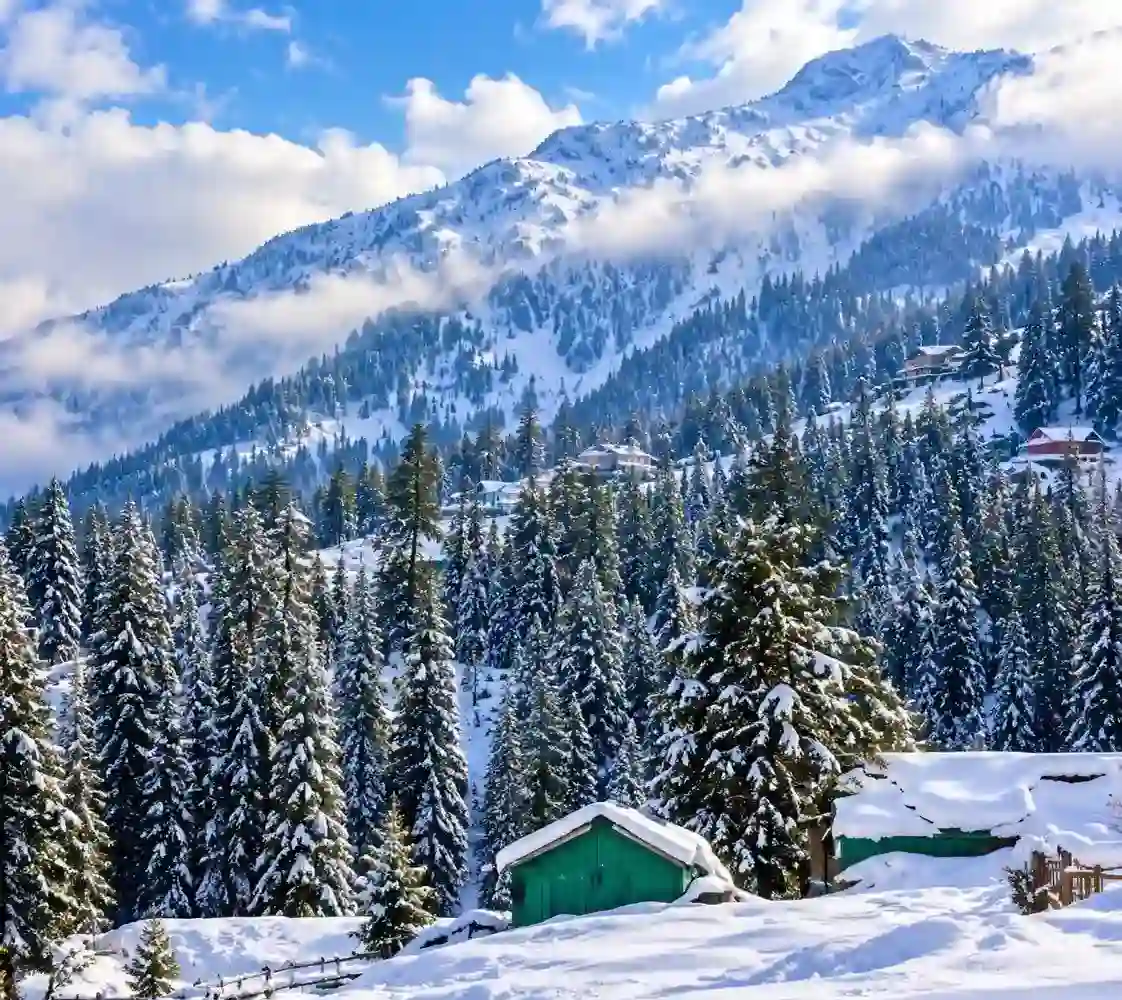
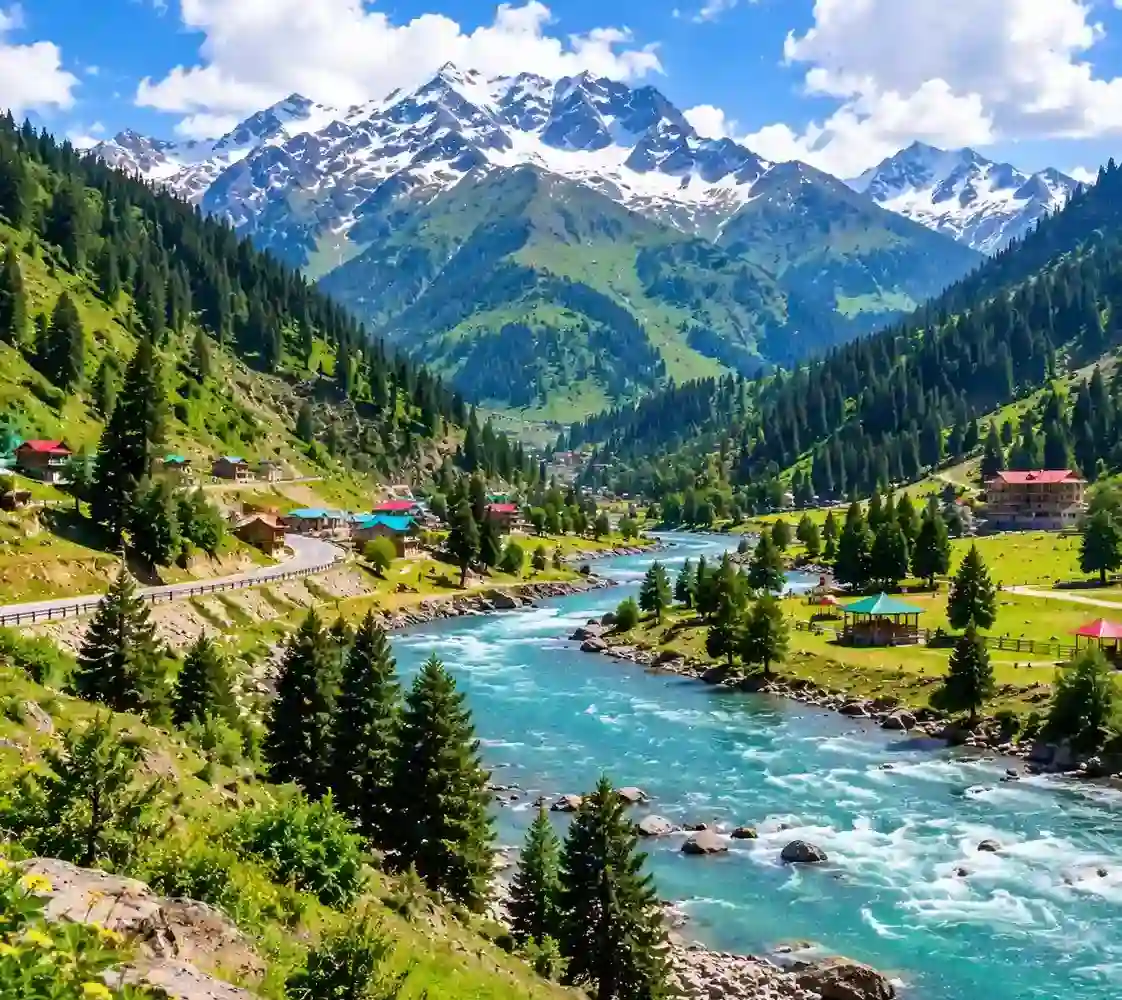
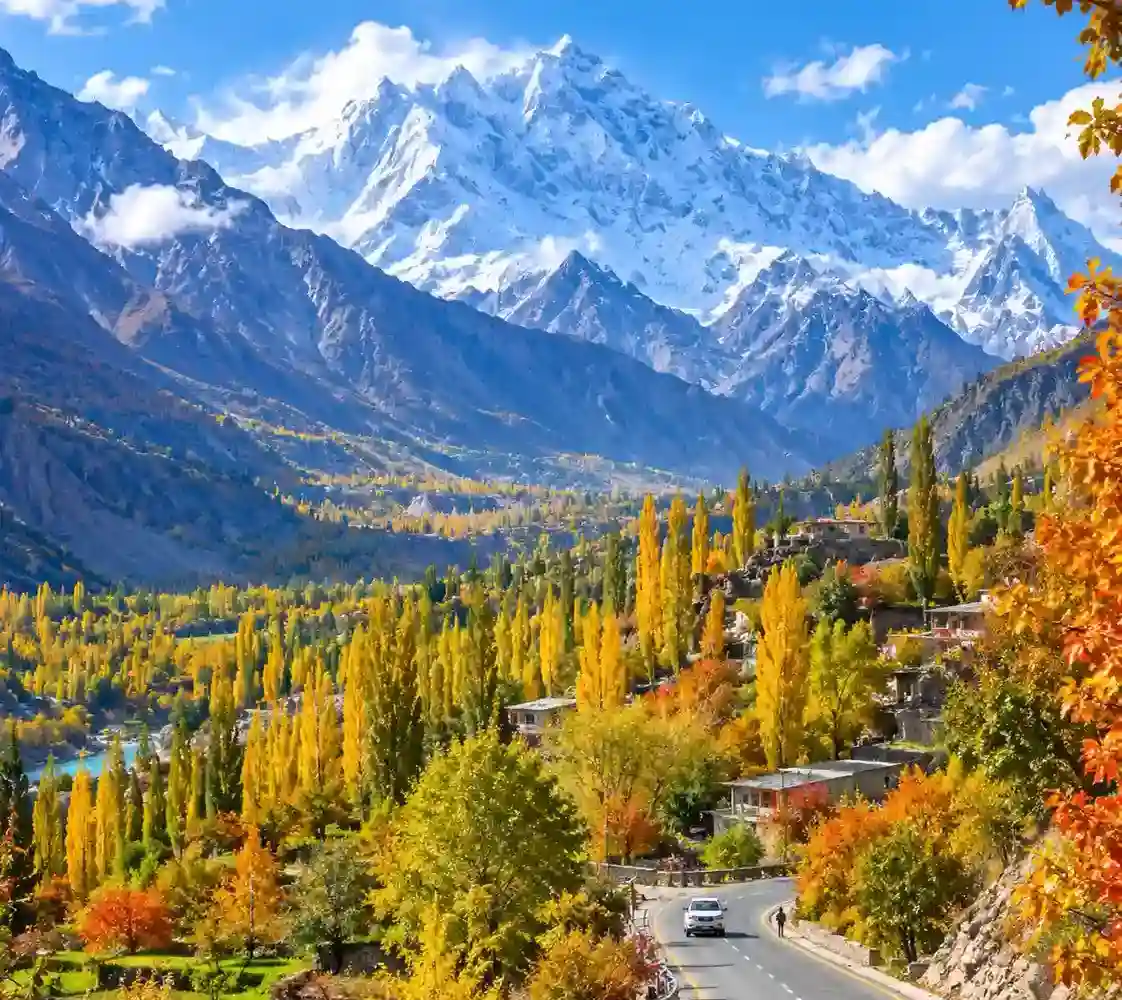
Northern Pakistan offers towering peaks, glacial valleys, alpine lakes and villages surrounded by orchards and terraced fields. Destinations in Gilgit-Baltistan and parts of Khyber Pakhtunkhwa can be rewarding for visitors who enjoy scenic drives, day hikes, photography and learning about mountain life.
Hunza Valley
Explore village viewpoints, local food, historic forts and mountain panoramas. Allow time to acclimatise to altitude and avoid rushing between valleys.
Skardu and nearby valleys
Combine lake and desert landscapes, local markets and short excursions where access and weather permit. Longer treks require appropriate preparation and guides.
Swat and Galiyat
Enjoy forest walks, riverside scenery and hill-station escapes. Choose marked routes and ask about trail conditions before setting out.
Mountain conditions vary sharply by elevation and season. Carry layers, sun protection, water and suitable footwear and do not attempt remote routes without the right skills and local advice.
2. Explore Historic Streets, Forts and Archaeological Sites
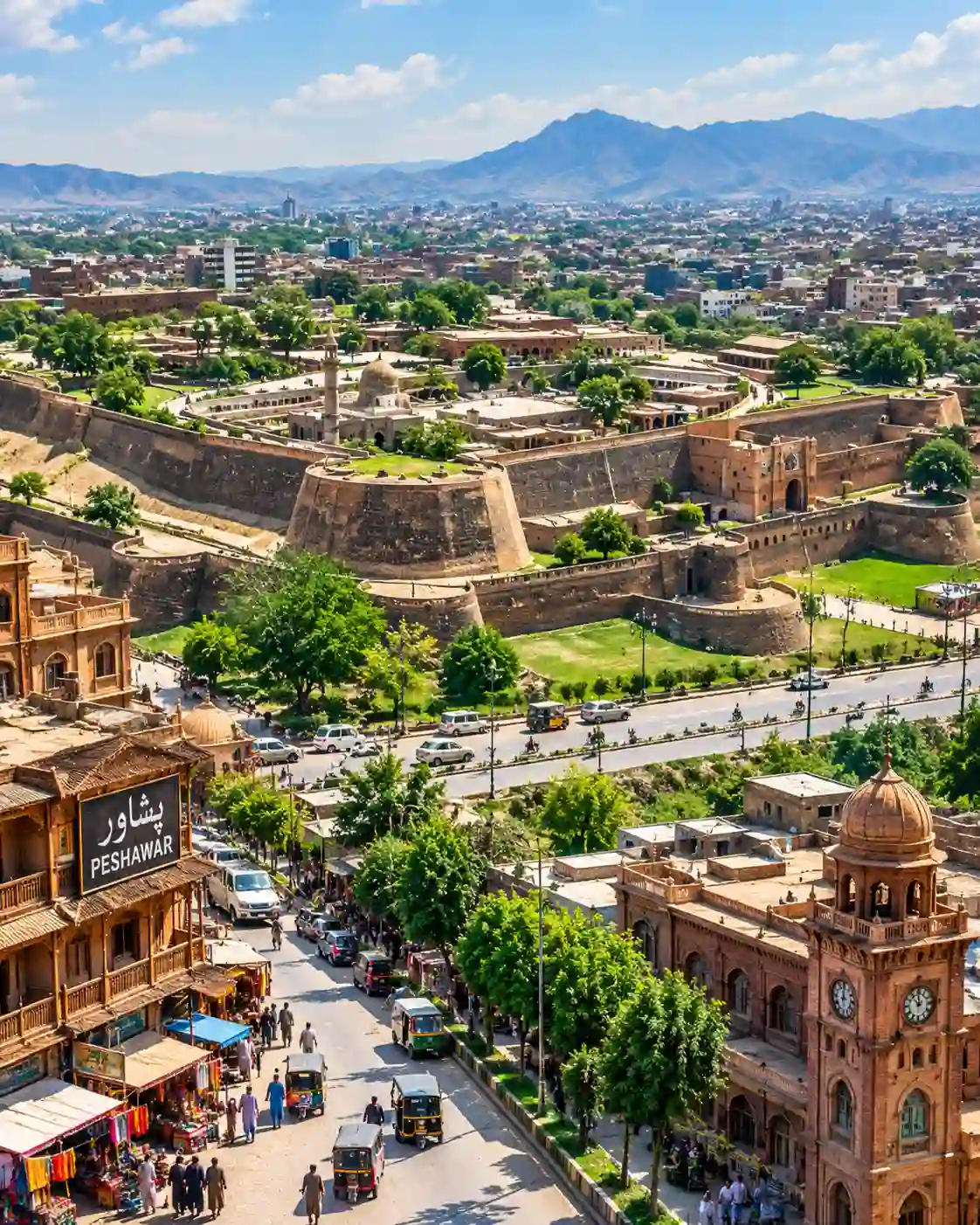
Pakistan’s heritage spans ancient settlements, Buddhist sites, Mughal architecture, forts, shrines, colonial-era buildings and lively historic bazaars. A knowledgeable local guide can help explain the context behind what you see and direct you toward details that are easy to miss.
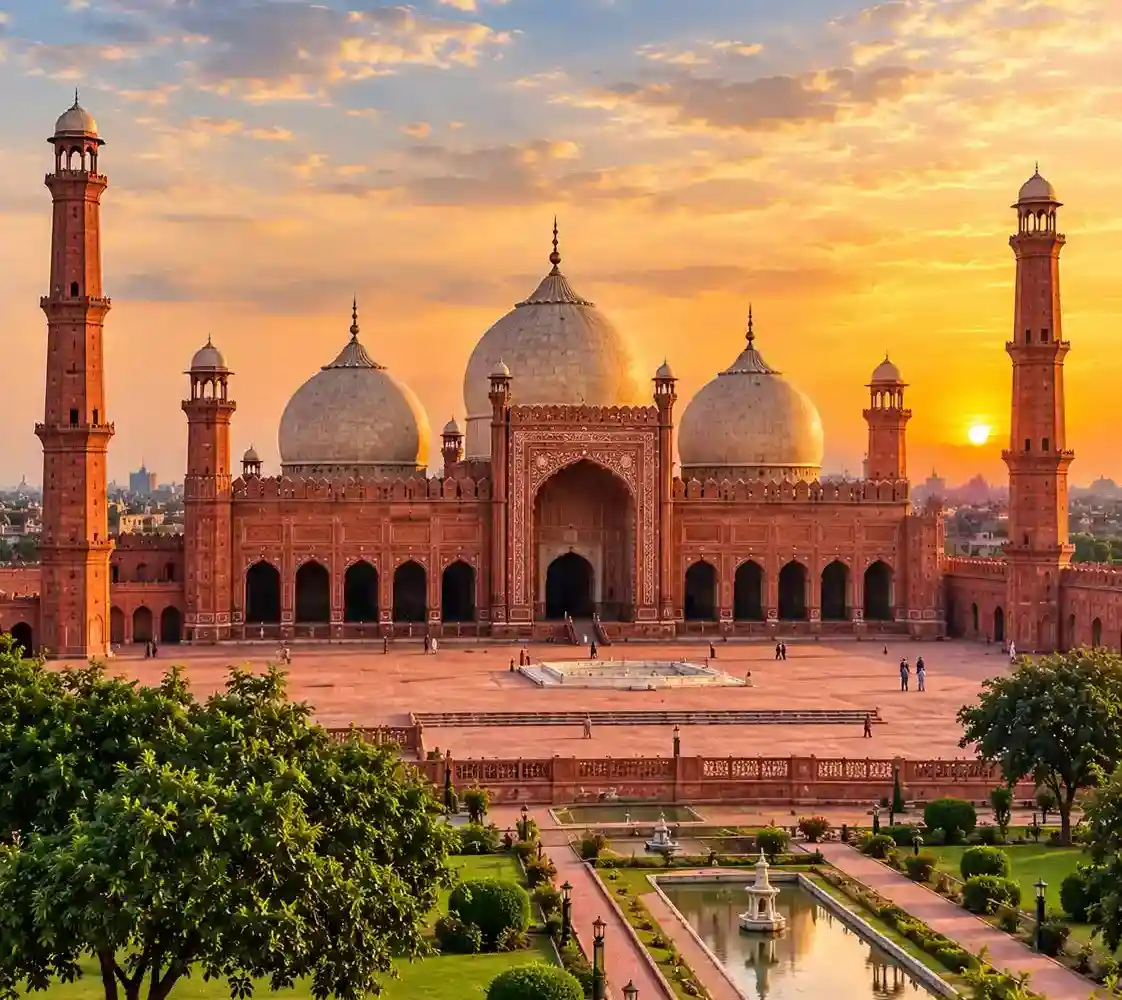
Lahore’s Walled City
Explore heritage lanes, architectural details, traditional markets and food stops. Check monument opening hours and dress requirements before visiting religious sites.
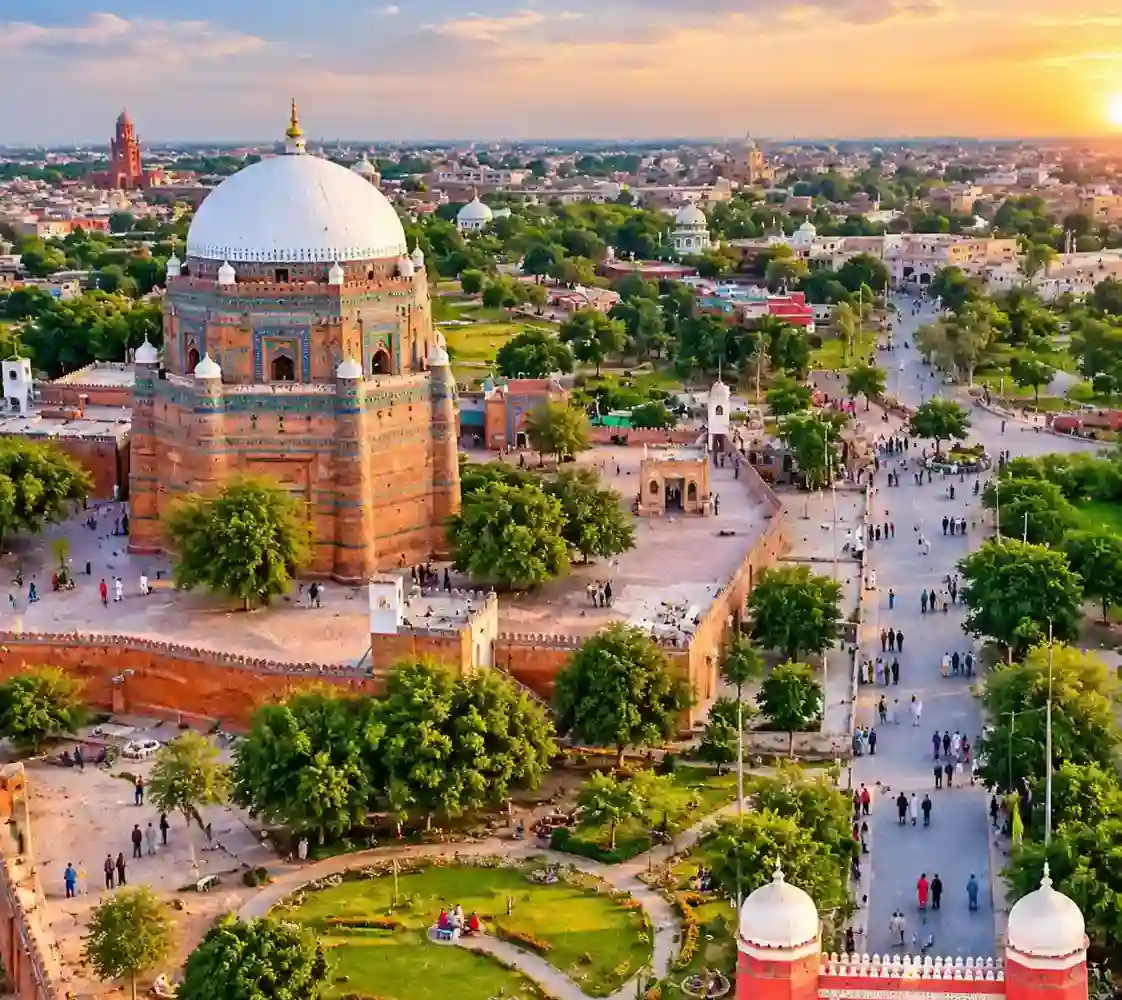
Multan’s shrines and crafts
Learn about regional tilework, blue pottery and devotional heritage while following site rules and asking permission before photographing people.
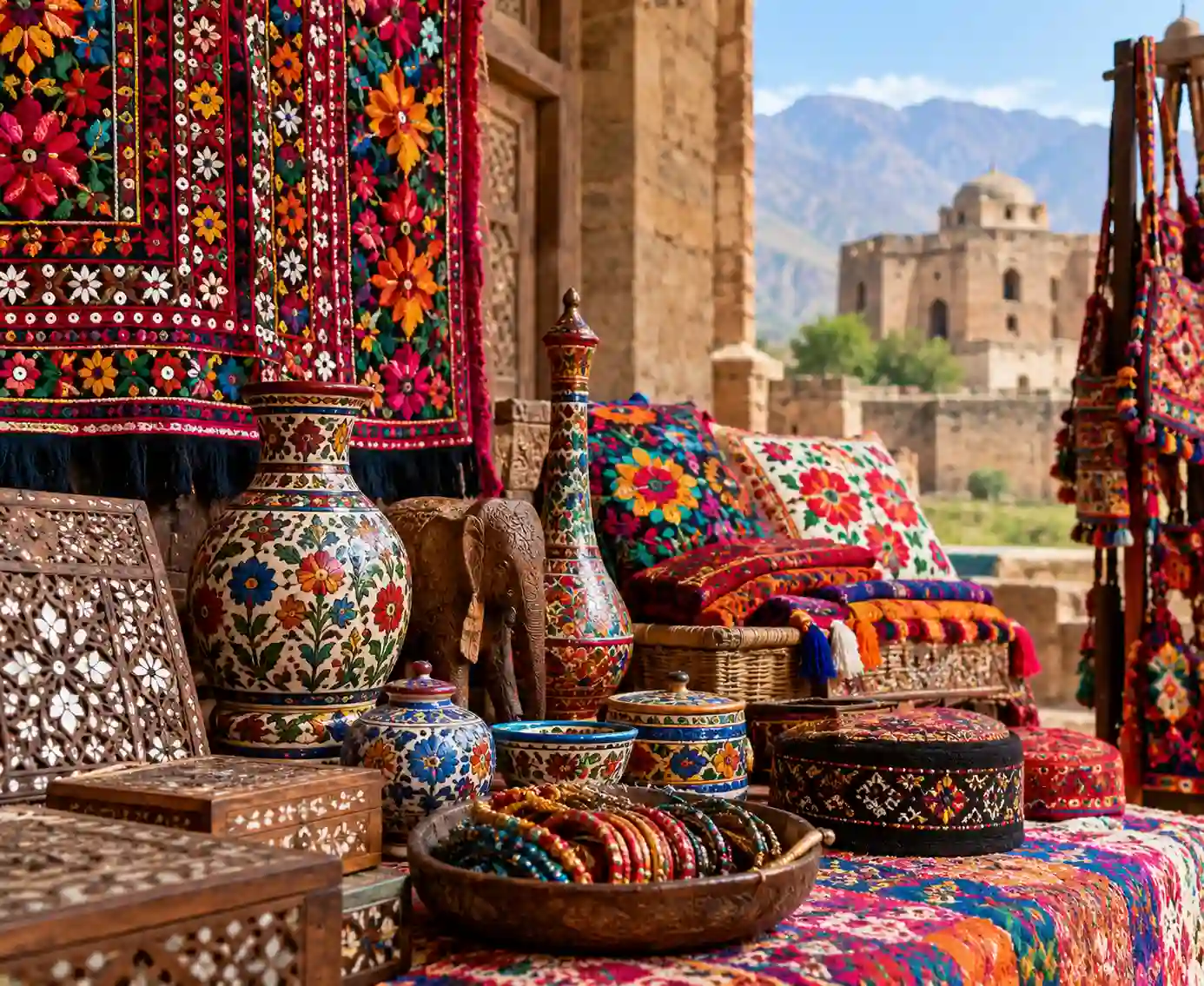
Archaeological heritage
Where sites are open to visitors, use official access information and avoid touching fragile structures or removing objects.
3. Taste Your Way Through Regional Food
Food experiences are an accessible way to understand local identity. Try a guided market walk, a regional breakfast, a family-run restaurant or a cooking demonstration where available. Lahore is known for many Punjabi dishes; Karachi’s food reflects its coastal setting and diverse communities; Peshawar and other cities offer distinctive regional specialities.
Ask what is seasonal and locally prepared and tell hosts or vendors about allergies and dietary needs. Choose busy, clean food stalls, make sure hot food is served hot and drink sealed or otherwise reliably treated water if you are unsure about local supplies.
Make food stops part of the journey
Rather than eating only at familiar chains, seek reputable local recommendations and try one or two specialities at a time. If joining a food tour, confirm what is included and whether the operator can accommodate dietary restrictions.
4. Meet Artisans and Learn a Traditional Craft
Textiles, embroidery, pottery, woodwork, calligraphy, truck art and other forms of making can reveal a region’s history and skills. Look for workshops, museums, cooperatives or clearly identified artisan businesses that welcome visitors. Ask before taking photographs and pay a fair price for demonstrations or handmade work.
Prefer items whose maker, materials and origin are clear. Avoid purchasing antiquities, wildlife products or objects that may be protected or illegally traded. A short conversation about how an item is made can be more valuable than a quick souvenir stop.
5. Discover the Coast and Desert Landscapes
Pakistan’s southern landscapes offer a different experience from the northern mountains. Coastal areas can include beaches, fishing communities and sea views, while desert regions have distinctive architecture, crafts, seasonal colour and night skies. Plan these trips with current local guidance, particularly when routes are remote or services are limited.
Respect local livelihoods, avoid littering and do not enter private land or sensitive habitats without permission. Swimming conditions, tides, heat and road access can create risks; follow local warnings and use experienced operators for activities on or near the water.
6. Attend a Festival, Performance or Local Gathering
Festivals, music events, cultural performances and seasonal celebrations can offer insight into local traditions. Dates and access arrangements change and some gatherings are private, religious or intended primarily for community members. Confirm that visitors are welcome before making travel plans around an event.
Ask before photographing performers or attendees, follow instructions from organisers and avoid blocking processions or disrupting worship. Choose organised events that clearly communicate access, timings and visitor expectations.
7. Choose an Adventure That Matches Your Experience
Depending on the destination and season, activities may include hiking, trekking, camping, rafting, cycling or guided nature walks. These activities can be rewarding, but the right preparation matters more than ticking off a list.
Check operator credentials
Ask about experience, equipment, safety procedures, group size, emergency plans and what the price includes.
Respect altitude and weather
Build in rest days when needed, watch for symptoms of altitude illness and follow qualified local guidance.
Know your limits
Choose routes that match your fitness and skills. Turn back when conditions deteriorate rather than treating a summit or endpoint as compulsory.
Leave no trace
Carry out rubbish, keep a safe distance from wildlife and use established paths and campsites where possible.
8. Make Community-Based Experiences Count
Consider locally owned guesthouses, small-group tours, craft cooperatives and guides from the area you are visiting. These choices can create more direct local economic benefit and give you a richer understanding of daily life.
Ask how an experience is organised, what the fee supports and whether there are cultural expectations for guests. Avoid treating people’s homes, ceremonies or daily work as attractions without their consent. Responsible travel means the host community should retain agency over how visitors participate.
How to Plan a Memorable Experience-Based Trip
Start with a theme
Choose two or three priorities—such as food and heritage, mountain scenery, photography or craft learning—instead of overloading the itinerary.
Match the season
Research likely weather and access conditions for each destination. Mountain roads, trails and facilities can operate seasonally.
Book the essentials
Confirm accommodation, transport, guides and activity inclusions directly with reputable providers. Keep written confirmations.
Leave room for discovery
Allow unplanned time for a market, viewpoint or conversation, while keeping enough flexibility for delays.
Budgeting and Practical Essentials
Costs depend on the destination, season, group size, transport mode and level of service. A self-guided city walk may cost little beyond transport and entry fees, while a remote trek or specialist adventure may require guides, equipment, permits and extra nights. Ask for a clear breakdown before paying.
- Check whether guide fees, meals, permits, equipment, transfers and accommodation are included.
- Carry some local currency where card acceptance may be limited, while keeping cash secure.
- Download maps and booking details before leaving reliable mobile coverage.
- Share your itinerary with someone you trust when heading into remote areas.
- Review current travel advice and any local restrictions before departure.
Safety, Respect and Responsible Travel
Conditions can vary between regions and change quickly. Check current official travel advice, local weather, road status and site access. Use licensed or reputable providers for specialist activities, follow instructions from guides and authorities and make sure your insurance covers the activities you plan to do.
Dress appropriately for the setting, ask permission before photographing people, respect sacred places and private property, and avoid leaving waste behind. Do not assume an experience is safe or available simply because it appears in an old itinerary or social-media post.
Verify the details locally
For general tourism information, consult the Pakistan tourism portal. Review current regional guidance from your own government, and confirm access and conditions with trusted local providers.
Frequently Asked Questions
What are some unique experiences in Pakistan?
Options include exploring historic neighbourhoods, trying regional food, visiting artisan workshops, hiking scenic trails, discovering coastal and desert landscapes and joining public cultural events where visitors are welcome.
Can I enjoy Pakistan without doing a strenuous adventure?
Yes. Food walks, museums, architecture, markets, craft demonstrations, scenic drives and short nature walks can all be rewarding. Choose activities that suit your interests and mobility.
When is the best time for outdoor experiences?
It depends on the region and activity. Mountain access is seasonal, while plains, deserts and coastal areas have different weather patterns. Check destination-specific forecasts and local advice.
Should I book guides in advance?
For specialist activities, remote areas, peak travel periods or trips with permits and equipment, advance planning is sensible. Verify the provider, inclusions and cancellation terms.
How can I travel responsibly?
Choose reputable local providers, ask consent before photography, respect cultural and environmental rules, avoid protected or illicit souvenirs and leave places as you found them.
Useful Resources
- Pakistan tourism information for general trip-planning resources.
- UK FCDO Pakistan travel advice for current regional safety guidance.
- Pakistan Online Visa System for visa-related information where applicable.
Use these experiences as inspiration, then confirm seasonal access, booking details and current local conditions before setting out.