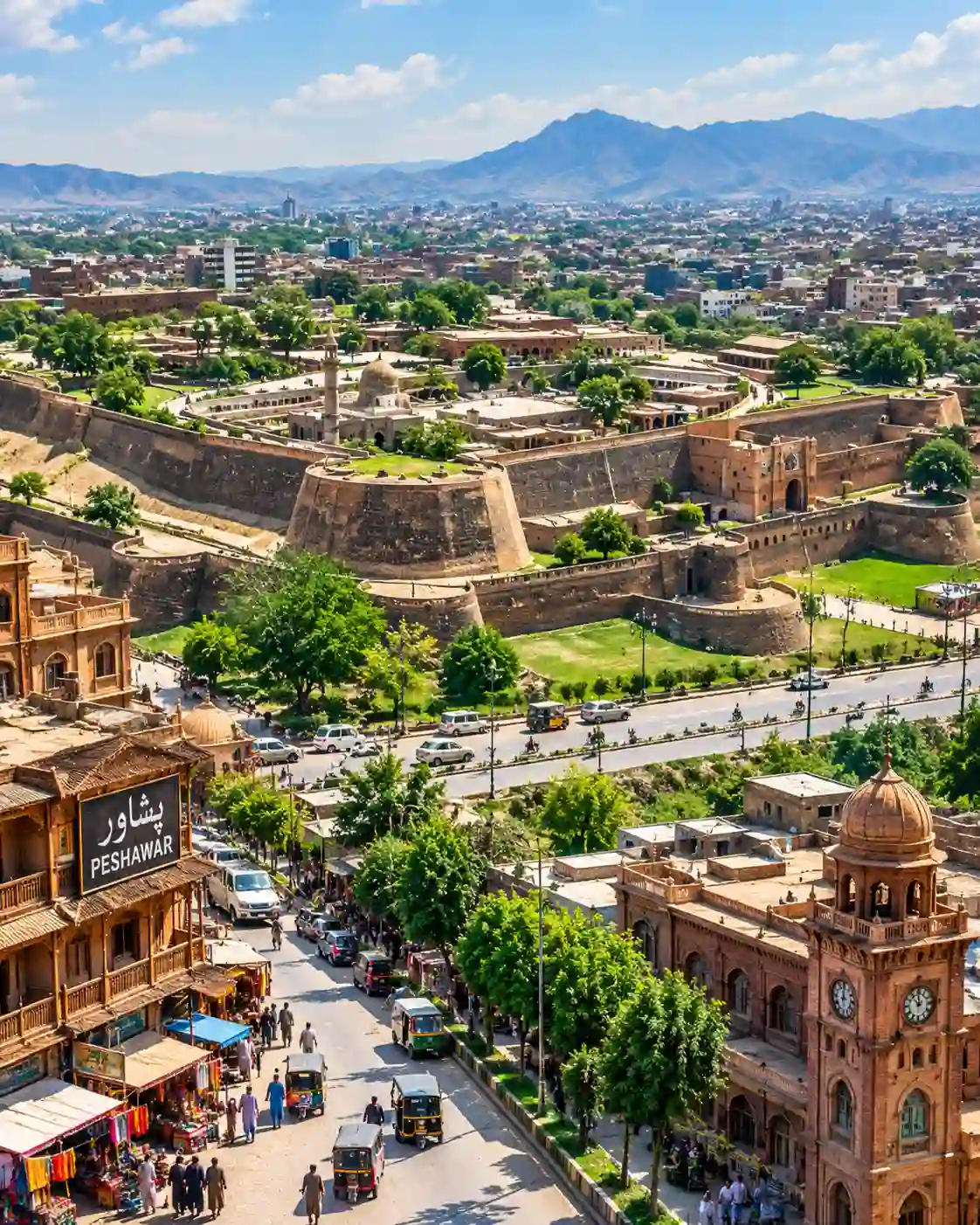
Why Street Food Is Part of the Experience
Street food is woven into daily life across Pakistan: people stop for breakfast parathas, afternoon chaat, grilled snacks, fresh bread, tea and sweets. Stalls and small eateries often specialise in just a few items, prepared to local recipes.
Flavours and names change by city and neighbourhood. A familiar snack may be sweeter, tangier, hotter or served with different chutneys in another place. Treat this guide as a starting point, and ask vendors or local hosts what their stall is known for.
Order one or two items first
Portions can be filling and flavours bold. Start small, then return for more if you find a favourite.
Street Snacks to Look For
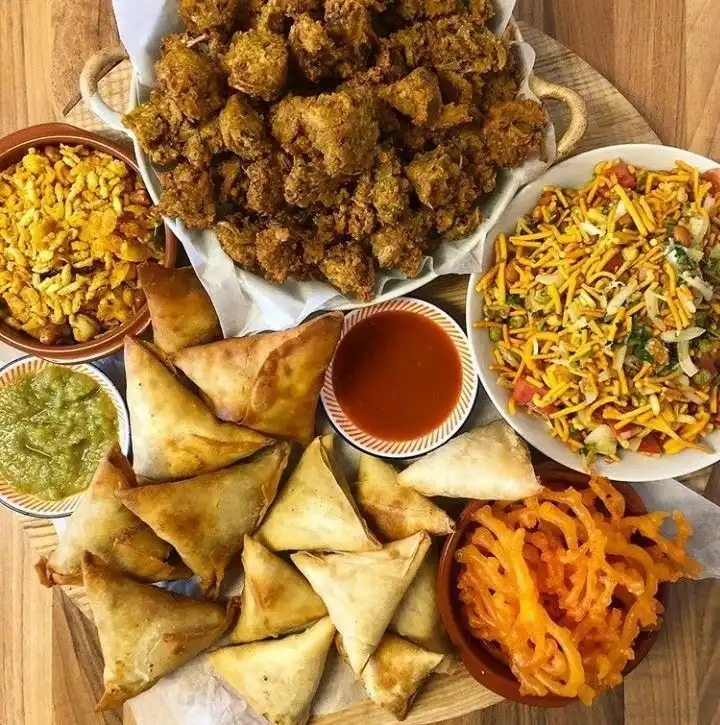
Samosas and Pakoras
Samosas are pastry parcels with savoury fillings, while pakoras are battered vegetables or other ingredients fried until crisp. They are often served with chutney and are especially common as tea-time snacks.
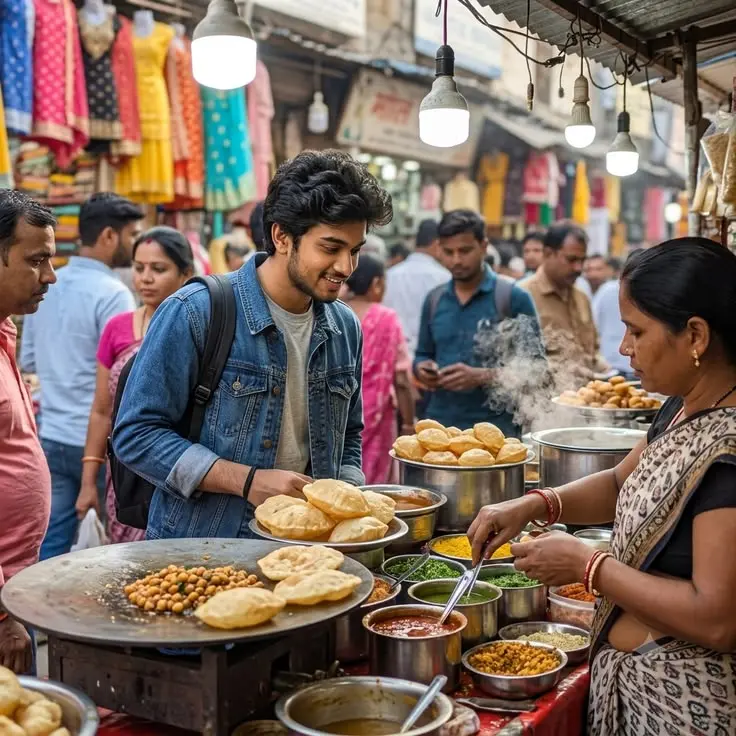
Chaat and Gol Gappay
Chaat combines ingredients such as chickpeas, potatoes, crunchy toppings, yoghurt and chutneys. Gol gappay are crisp hollow shells filled with tangy water and fillings; vendors may offer different levels of sourness and heat.
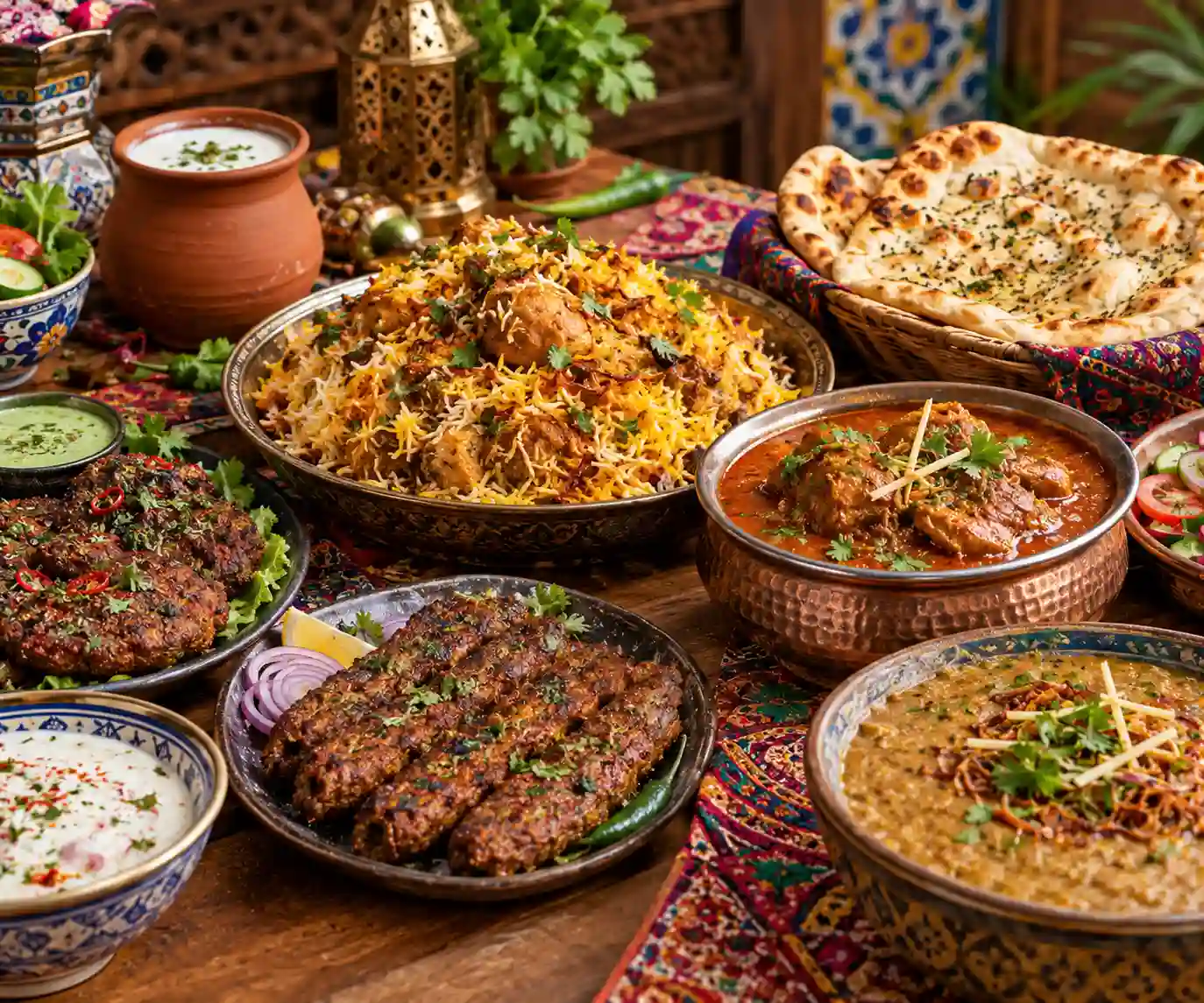
Bun Kebab, Rolls and Kebabs
Bun kebab is a popular sandwich-style snack, often made with a patty, chutney and egg. Seekh kebab rolls and other grilled wraps are also common quick meals, with fillings and sauces varying by vendor.
Where to Explore Street Food
Lahore, Punjab
Look for chaat, gol gappay, samosas, grilled snacks, fresh naan and sweet treats. Busy food streets offer many choices, but check current opening hours and local conditions before visiting.
Karachi, Sindh
The city’s diverse food scene includes bun kebabs, rolls, grilled seafood in suitable areas, spicy snacks and regional specialities brought by communities from across Pakistan.
Peshawar and Khyber Pakhtunkhwa
Seek out chapli kebab, grilled meats and fresh breads. Some options are more substantial than snack-sized, so ask about portion size.
Quetta and Balochistan
Tea houses, breads and grilled meat options can be part of the local food experience. Ask residents for current neighbourhood recommendations.
Northern areas
In mountain towns, look for local breads, seasonal produce and regional snacks alongside familiar Pakistani favourites. Availability varies by town and season.
Smaller towns and bazaars
Traditional markets can reveal everyday favourites beyond famous food destinations. Visit at busy meal times and follow local advice about access and etiquette.
How to Choose a Street-Food Stall
A busy stall can be a useful sign of local demand, but popularity alone does not guarantee safe handling. Watch whether food is cooked to order, served hot, and handled with clean utensils. Notice how ingredients are stored and whether the preparation area looks reasonably clean.
Be more cautious with uncooked garnishes, cut fruit, sauces kept warm for long periods, dairy products without reliable refrigeration, and drinks or ice made with uncertain water. If a stall’s hygiene or food handling makes you uncomfortable, choose another one.
Freshly cooked and hot is usually the safer choice
Food safety cannot be guaranteed by a stall’s popularity alone. If you have a sensitive stomach, allergies or a medical dietary requirement, take extra care and seek advice appropriate to your needs.
Sweet Street Treats and Chai Stops
Jalebi, gulab jamun, local halwa, seasonal sweets and other mithai are easy to find in many markets. Some stalls make sweets in small batches through the day; ask what is fresh and how it is served.
Chai stalls are natural places to pause between food stops. Lassi and sugarcane juice may also be available, but choose drinks prepared with safe water and clean handling. When water quality is uncertain, a sealed drink is a practical alternative.
Vegetarian Choices and Food Allergies
Vegetarian choices can include daal, chana, seasonal vegetable curries, rice, roti, salads and snacks, but cooking fats, stock and garnishes vary. Vegan travellers should ask about ghee, butter, yoghurt, cream and dairy-based sauces. “Vegetarian” may not always mean the same thing to every vendor.
If you have a food allergy, communicate it clearly and ask about shared cooking surfaces, utensils and oil. Translation apps or a written note can help, but they cannot guarantee that a meal is allergen-free. If the risk is serious, choose a venue able to explain its ingredients and preparation practices.
Ordering, Etiquette and Local Tips
Meals may be served family-style, with shared dishes in the middle of the table. In some homes people eat with the right hand; restaurants may provide cutlery. Follow your host’s lead and wash your hands before eating where possible. Ask before taking photographs of people or private gatherings.
Menus may list dishes without specifying portion sizes or chilli levels. Ask whether a dish is mild, medium or hot, and whether it is intended for sharing. If invited to a home, a small gift such as sweets can be appreciated, though it is not required; follow your host’s guidance and be gracious about hospitality.
Budgeting for a Street-Food Crawl
Food costs vary by city, neighbourhood, restaurant type, season and inflation. Local cafés and simple eateries are generally less expensive than hotel restaurants or upscale dining venues, while specialty meat dishes and seafood may cost more. Check current menus rather than relying on old online prices.
Keep it flexible
Mix simple local meals with occasional restaurant visits, and leave room in your budget for snacks, tea and bottled water.
Check what is included
Confirm whether bread, rice, sides, taxes or service charges are included in the listed price.
Share when appropriate
Some dishes are large and designed for sharing. Ask the restaurant about serving size before ordering several mains.
Street-Food Safety Checklist
- Choose food that is freshly prepared and served hot.
- Use sealed drinking water if local water safety is uncertain.
- Wash or sanitise hands before eating, especially street food.
- Be cautious with raw salads, cut fruit and unrefrigerated dairy in uncertain conditions.
- Tell staff about allergies and dietary restrictions before ordering.
- Carry any essential medication and follow your clinician’s advice for serious allergies or food-related conditions.
Food hygiene standards can differ between venues. If a place looks unclean or food has been sitting out for a long time, choose another option.
Plan a Relaxed Food-Street Visit
Go at a lively time
Early evening is often active for snacks in many urban areas, but hours differ. Check current conditions and transport options before setting out.
Sample, do not over-order
Share small portions when appropriate and leave space to try different textures, from crispy snacks to grilled items and sweets.
Carry small cash
Some small vendors may prefer cash. Keep valuables secure, agree on prices when needed, and be considerate when photographing stalls or people.
Frequently Asked Questions
What street food should first-time visitors try?
Consider samosas, pakoras, chaat, gol gappay, bun kebab, kebab rolls and jalebi. Start with small portions and ask about spice levels.
Is Pakistani street food always spicy?
No. Some dishes are hot, while others are mild or can be prepared to order. Ask the restaurant about chilli levels before choosing.
Can vegetarians eat well in Pakistan?
Yes, many meals include lentils, chickpeas, vegetables, rice and breads. Confirm ingredients, cooking fats and stock, especially if you are vegan.
How can I reduce the risk of getting sick?
Choose food cooked fresh and served hot, wash or sanitise your hands, use safe drinking water and be cautious with raw garnishes and unrefrigerated items. No stall can be guaranteed risk-free.
What should I drink with Pakistani food?
Chai is widely enjoyed. Lassi and other drinks are available in many places; choose drinks prepared with safe water and clean handling.
Useful Resources for Food Travellers
- Pakistan tourism information for general travel planning.
- UK FCDO Pakistan travel advice for current regional safety guidance.
- World Health Organization food safety information for general food-safety principles.
Menus, opening hours, ingredients and prices change. Ask locally and use current information when planning meals.