Understanding Transport in Pakistan
Transport options vary by city, route and season. Major urban centres are connected by intercity buses, rail services and domestic flights, while smaller towns and remote destinations may require a combination of public transport, private transfers and local vehicles. Travel times can be affected by traffic, roadworks, weather and mountain-road conditions.
Choose transport based on total journey time, comfort, luggage, budget and how close the departure or arrival point is to your accommodation. Always verify current schedules and ticket conditions with the operator before travelling.
Allow time for connections
A bus terminal or railway station may be far from the part of town you want to visit. Build in time for city traffic, ticket checks, luggage handling and finding your onward ride.
Intercity Buses and Coaches
Intercity buses and private coach operators are widely used for travel between many major cities. Services differ in seat layout, onboard facilities, departure frequency and luggage rules. Some routes offer more comfortable executive or business-class options, while smaller operators may serve local connections.
Before booking
- Check the exact departure terminal and arrival point.
- Confirm baggage allowance, seat selection and cancellation rules.
- Compare journey duration as well as ticket price.
- Arrive early enough to find the correct platform or coach.
On travel day
- Keep your ticket and identification accessible.
- Keep valuables and essential medication in your hand luggage.
- Use official counters or operator channels where possible.
- Confirm the stop location if the service has multiple stops.
For overnight journeys, consider whether you can rest comfortably and whether the arrival time works with your accommodation check-in.
Travelling by Train
Pakistan Railways connects a number of cities and regions and rail can be a useful alternative to road travel on routes it serves. Train types, travel times, onboard facilities and reliability vary by service and route. Some journeys are long, so compare the full timetable and arrival time before deciding.
Book through official or authorised channels, check the class and berth or seat details and keep your ticket information handy. Confirm whether meals are included or available and carry drinking water and snacks appropriate for the length of the journey.
Do not rely on an old timetable
Schedules and services can change. Check the current departure time, station name and any service notices close to your travel date, especially if you have a connecting transfer.
Domestic Flights
Flying can save time on long distances, particularly when travelling between major cities or towards destinations with an airport. However, flights may be affected by weather, operational changes and limited schedules. Airports are not always close to the final destination, so include transfer time and cost in your comparison.
- Check baggage allowances and fare conditions before purchasing.
- Keep identification and booking details available.
- Avoid tight onward connections after a flight that may be disrupted.
- Confirm how you will travel between the airport and your accommodation.
For northern destinations, flight availability and operating conditions can be especially sensitive to weather. Keep a flexible itinerary if a missed flight would disrupt the rest of your trip.
Getting Around Cities
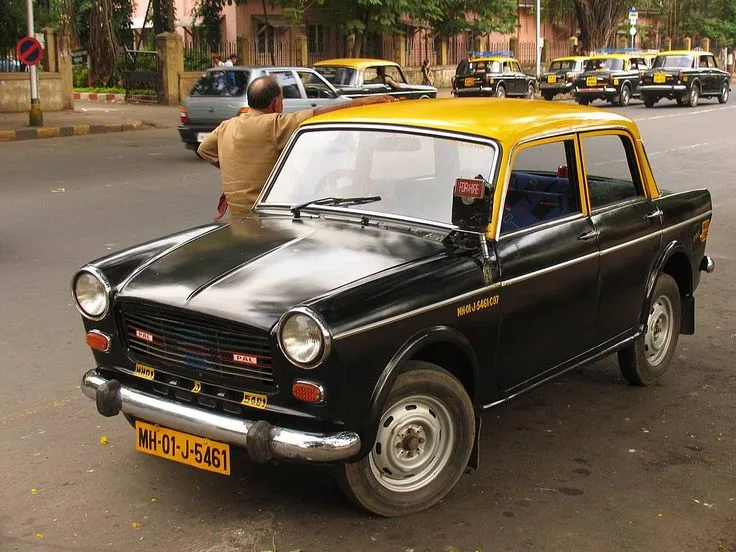
Taxis and Ride-Hailing
App-based services and local taxis can be convenient for airport transfers, evenings or journeys where public transport is less direct. Confirm the destination and fare method before setting off and check the vehicle and driver details when using an app.
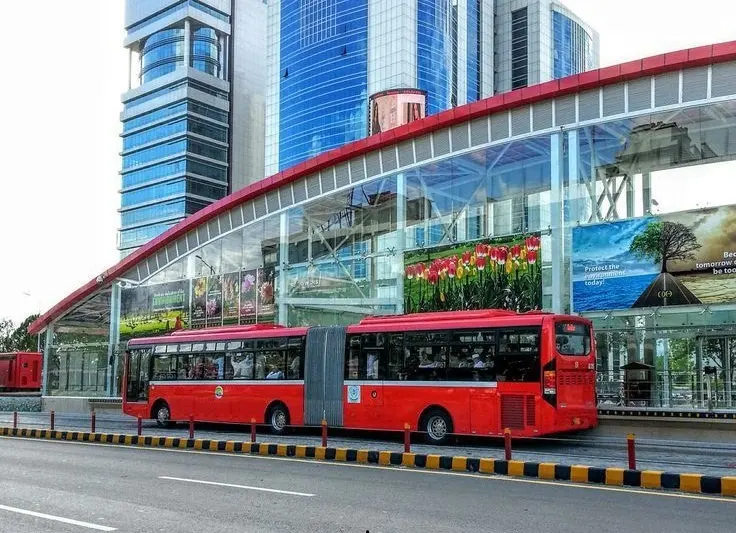
Metro, Bus and BRT
Some large cities have metro, bus rapid transit or dedicated public-bus services. Routes, operating hours, fares and ticketing differ by city, so check the local transport authority’s latest information before relying on a particular line.
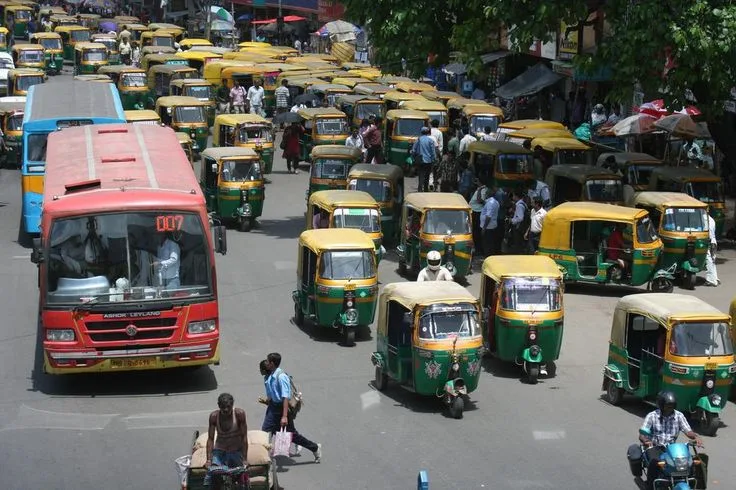
Rickshaws and Local Vans
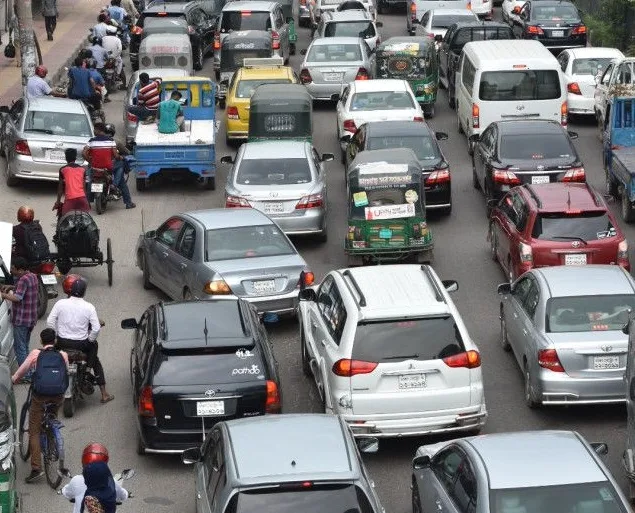
Auto-rickshaws, shared vans and other local services may be useful for short trips. Agree the fare before departure where there is no meter or app quote and choose a vehicle that is appropriate for your group and luggage.
Walking can work well in compact neighbourhoods, but consider heat, pavement quality, traffic and the distance between attractions. Ask your accommodation about the safest practical route for the time of day.
Transport in Northern Pakistan
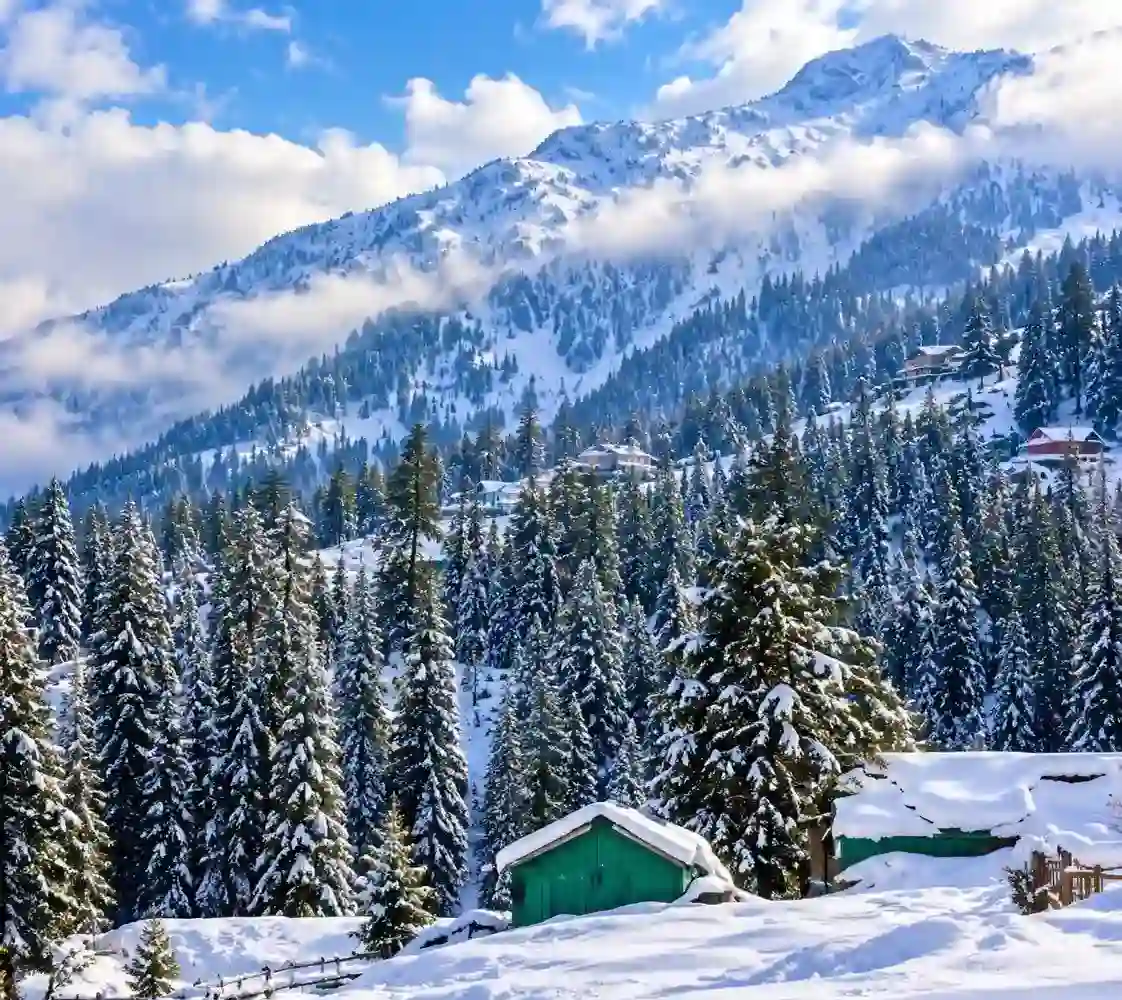
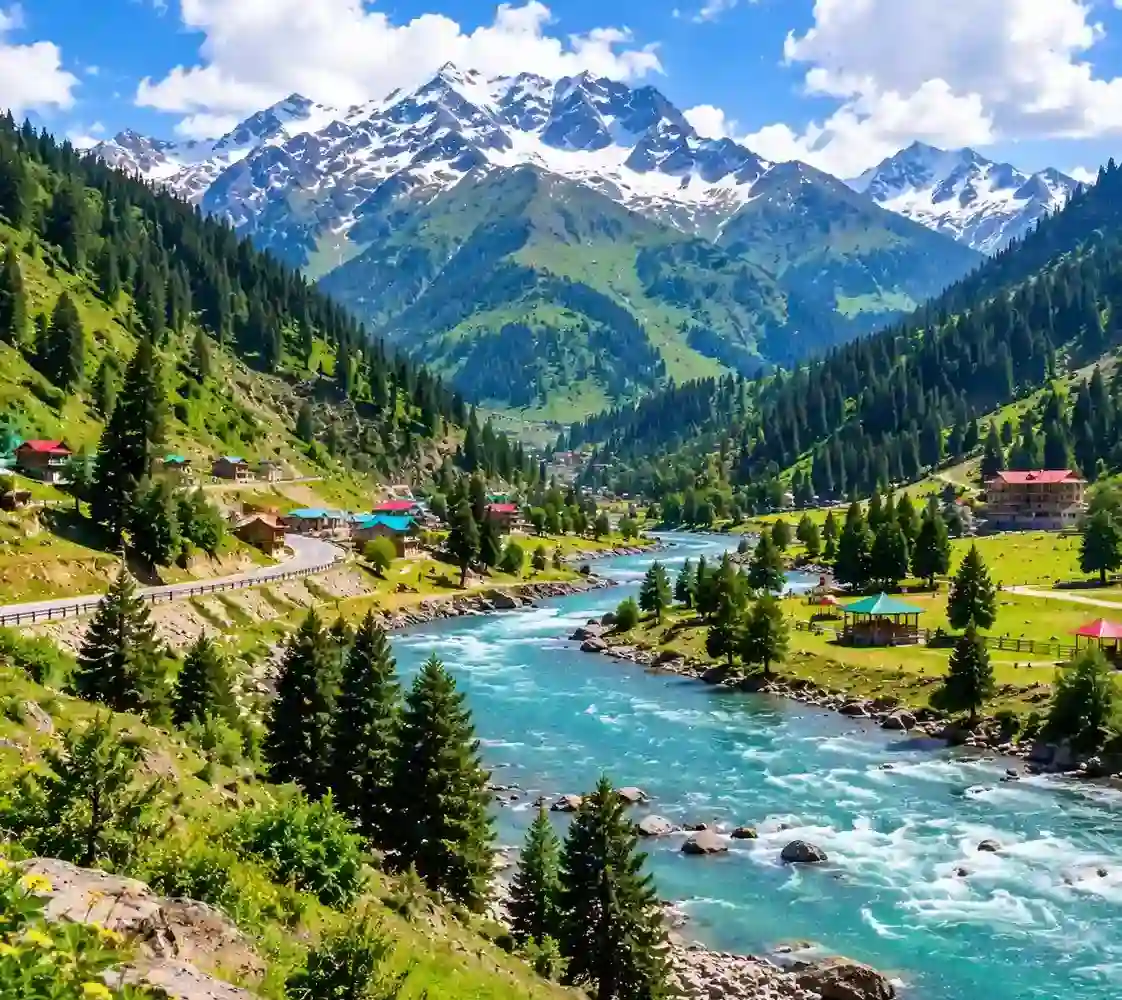
Destinations such as Hunza, Skardu, Swat, Naran and Kaghan often involve mountain roads, long driving times and weather-sensitive routes. Depending on the destination and season, travellers may combine flights, intercity buses, shared vehicles and private transfers.
- Check road access, weather forecasts and any official advisories before departure.
- Ask about the condition of the final road section and whether a suitable vehicle is needed.
- Allow buffer days if your itinerary depends on a flight or a long mountain transfer.
- Carry cash, water, offline maps and a charged phone for stretches with limited services.
- Do not assume a route is open simply because it appears on a map.
For longer self-drive journeys, see the Pakistan Road Trips Guide.
Tickets, Payments and Luggage
Use official operator websites, authorised booking channels or recognised ticket counters where available. Read the fare rules carefully: a low-cost ticket may have stricter change, refund or baggage conditions. Save a digital copy of your booking and keep a separate record in case your phone battery runs low.
- Check whether identification is required at booking or boarding.
- Keep cash for small purchases and local transfers, while protecting cards and cash securely.
- Label luggage and keep valuables, travel documents and medication with you.
- Ask about luggage storage before leaving bags unattended.
- Confirm the boarding point rather than assuming it is the operator’s main office.
Transport Safety and Accessibility
Choose reputable operators and vehicles in good condition. Wear seat belts where fitted, avoid overloaded vehicles and do not travel with a driver who appears fatigued or is driving dangerously. For app-based rides, verify the registration and driver details before entering and share trip details with someone you trust when appropriate.
If you have mobility needs, travel with children or carry bulky luggage, contact the operator or accommodation in advance to confirm step-free access, boarding assistance and the space available. Accessibility can vary considerably between stations, vehicles and destinations.
Keep emergency contacts and accommodation details accessible offline. Follow local instructions at terminals and checkpoints, and check current official travel advice for the regions you plan to visit.
How to Compare Transport Costs
Compare the total door-to-door cost rather than the ticket alone. Include travel to the station or airport, luggage fees, meals, local transfers and the time needed to reach your accommodation. A flight may be faster but more expensive once transfers are included; a bus or train may be economical but take longer.
Lower-cost approach
- Book early when plans are firm and terms are suitable.
- Compare different departure times and service classes.
- Use local public transport on routes that are convenient and well understood.
- Share a private transfer when appropriate and agreed in advance.
Convenience-first approach
- Choose departure points close to your itinerary where possible.
- Allow a buffer for delays and transfers.
- Consider luggage, children and accessibility requirements.
- Keep flexibility for weather-sensitive routes.
What to Keep With You
Pack your ticket, identification, phone, charger, power bank, drinking water, a light layer, essential medicines and a small amount of cash in an accessible day bag. For longer journeys, carry snacks and entertainment and download maps and booking details before leaving areas with reliable internet.
Use the Pakistan Packing Guide for a fuller checklist and the Pakistan SIM and Internet Guide for connectivity planning.
Frequently Asked Questions
What is the easiest way to travel between major cities?
Intercity coaches, trains and domestic flights can all be useful. The best option depends on the route, schedule, budget, luggage and how much time you have. Verify current service details before booking.
Is public transport available everywhere?
No. Services are more developed on many major routes and in larger cities, while remote areas may require a private transfer, local vehicle or a combination of transport types.
Should I book transport in advance?
Advance booking can be helpful during holidays, peak travel seasons and on popular routes. Check the operator’s current booking and change policies before paying.
Can I use ride-hailing apps in Pakistan?
Availability varies by city and provider and can change. Check which services currently operate in your destination and verify driver and vehicle details before starting a trip.
What should I do if my mountain route is disrupted?
Follow official instructions, confirm conditions with reliable local sources and allow flexibility in your plans. Avoid unsafe roads and keep accommodation or onward transport providers informed if delays affect your booking.
Useful Travel Resources
- Pakistan Railways — check official rail information and services.
- National Highways & Motorway Police — highway and road-safety information.
- Pakistan national tourism information — destination-planning context.
- UK Foreign, Commonwealth & Development Office: Pakistan travel advice — regional travel and security guidance.
Schedules, services and local conditions can change. Confirm details close to your departure date.