1. Why Is Peshawar Historically Important?
Peshawar's historic significance is linked to its position along routes connecting South Asia with areas to its west and north. Over time, the broader region experienced different cultural, commercial and political influences.
Its heritage includes religious buildings, archaeological collections, historic residential architecture and traditional marketplaces. These offer different ways to learn about the city's past and the communities that shaped it.
- Historical architecture: Mahabat Khan Mosque and traditional buildings in the old city.
- Museums and archaeology: Collections that help explain Gandharan and regional history.
- Historic markets: Qissa Khwani Bazaar and other commercial areas associated with the city's trading life.
- Traditional food: Pashtun dishes and tea-house culture.
- Crafts and residential heritage: Sethi House and other historic buildings that reflect traditional architecture.
2. Best Places to Know in Peshawar
The following landmarks are important to Peshawar's historic and cultural identity. Access, opening hours, visitor permissions and security arrangements must be checked before any physical visit.
Peshawar Museum
Established in 1907, Peshawar Museum is known for its archaeological collections, including important Gandharan Buddhist art. It offers historical context for understanding the region's artistic and religious past. Confirm opening arrangements and current visitor requirements directly with the relevant authorities.
Archaeology and museum collectionsMahabat Khan Mosque
Mahabat Khan Mosque is one of Peshawar's best-known historic religious landmarks. Its courtyard, minarets and architectural detailing make it significant to the city's built heritage. Respect worshippers and follow all rules governing access and photography.
Religious architectureQissa Khwani Bazaar
Often translated as the Storytellers' Bazaar, Qissa Khwani is associated with Peshawar's long-established commercial culture. Its shops, older streets and surrounding buildings tell a story of trade and community life.
Historic market districtGor Khatri
Gor Khatri is a historic complex within Peshawar's old city. It has archaeological and cultural importance and a City Museum is associated with the site. Check the provincial archaeology department for current access and conservation information.
Archaeology and heritageSethi House
Sethi House is known for its traditional residential architecture and decorative interior features. It is important for understanding the craftsmanship and domestic heritage of historic Peshawar. Verify visiting arrangements before planning an entry.
Traditional residential architectureChowk Yadgar
Chowk Yadgar is a well-known public landmark in the old city. Its surrounding streets reflect the character of Peshawar's traditional commercial centre. Any visit should depend on the latest official security guidance.
Old-city landmarkCunningham Clock Tower
Also known as Ghanta Ghar, this historic clock tower is a recognisable city landmark. It provides context for the older civic and commercial layout of Peshawar.
Historic civic architectureBala Hisar Fort
Bala Hisar Fort occupies an important place in accounts of Peshawar's strategic and military history. Because it is a sensitive security-related site, do not assume public access or photography is permitted. Respect all official restrictions and do not attempt unauthorised entry.
Historic fort and restricted accessIslamia College Peshawar
Founded in the early twentieth century, Islamia College is known for its distinctive architecture and educational history. It remains an educational institution, so outside visitors should obtain permission before expecting to enter the campus.
Educational heritageKhyber Pass — Regional History
The Khyber Pass is historically associated with routes connecting the Peshawar region with areas farther west. It is not a casual extension of a city tour: permissions, escort arrangements and current security restrictions may apply. Do not plan travel there without official clearance and suitable guidance.
Regional history and restricted travel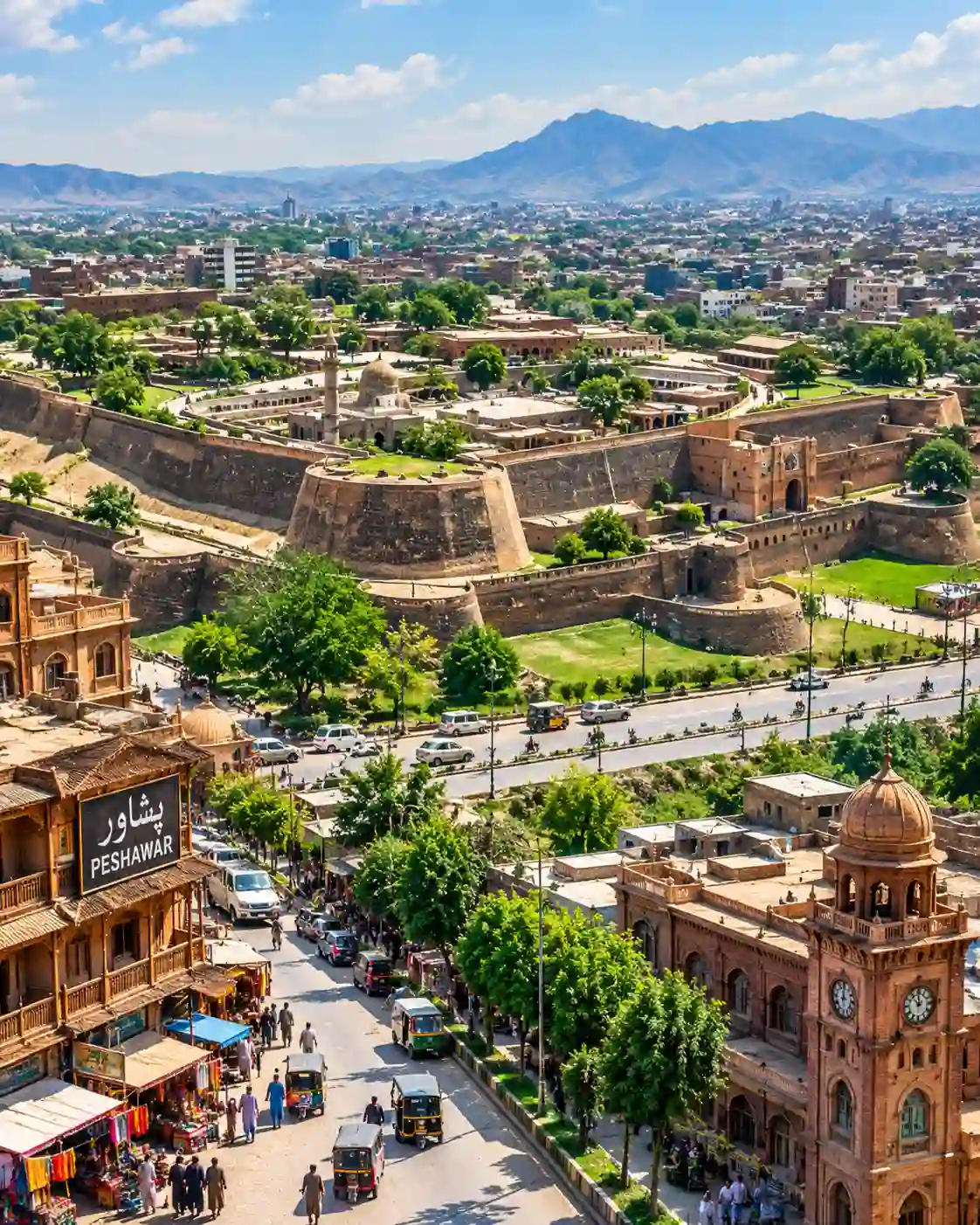
The Government of Khyber Pakhtunkhwa has identified places including Sethi House, Peshawar Museum and Gor Khatri among significant heritage attractions. Consult the provincial government's Peshawar city-tour information and the Directorate of Archaeology and Museums for official heritage-related information.
Important: This list is for historical information and conditional future planning. It is not a recommendation to make a tourism visit while an applicable government advisory says not to travel to Peshawar.
3. What to Eat in Peshawar
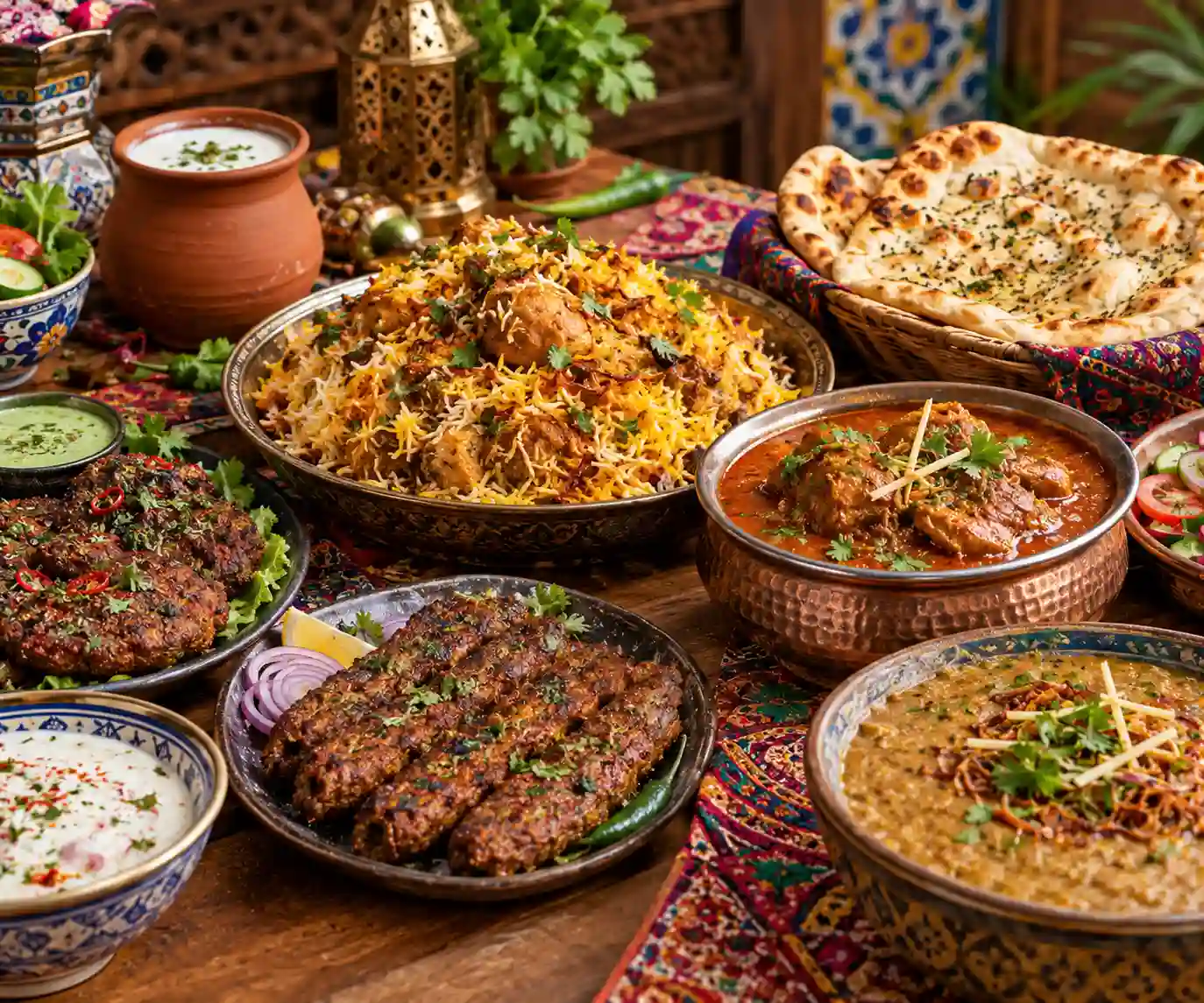
Peshawar is closely associated with Pashtun food traditions. Meat dishes, grilled specialities, bread, rice, tea and dried fruit feature in many local food experiences.
Recipes and preparation methods vary between restaurants and families. A reputable local food source can help visitors discover regional dishes and understand how they are prepared.
Chapli Kebab
A well-known Pashtun speciality, chapli kebab is a broad, seasoned patty traditionally made with minced meat and spices. Recipes can vary, so ask about ingredients and spice levels when ordering.
Namkeen Karahi
A regional meat preparation often associated with relatively simple seasoning that highlights the meat. Cooking styles and serving sizes differ between restaurants.
Charcoal-Grilled Meat
Grilled meat dishes are popular across the region. Choose reputable establishments where food is cooked thoroughly and served safely.
Rice and Pulao
Rice dishes are a common feature of regional meals. Ingredients and preparation vary and menus may include different meat and vegetable options.
Qehwa and Green Tea
Tea is an important part of social hospitality. A cup of traditional green tea can be a pleasant way to finish a meal when circumstances allow.
Dried Fruits and Nuts
Dried fruit and nuts are commonly associated with markets across the region. Buy from reputable sellers and check packaging before taking food products overseas.
Food Safety Tips
- Choose reputable vendors with good hygiene practices.
- Prefer food that is freshly cooked and served hot.
- Drink sealed bottled water from a reliable supplier or water treated appropriately for safe drinking.
- Tell restaurant staff about allergies and dietary restrictions.
- Ask about ingredients if you avoid specific meats or spices.
For dishes from across the country, explore our Pakistani Food Guide.
4. Pashtun Culture and Local Etiquette
Peshawar is closely associated with Pashtun cultural traditions, though the city and surrounding region are culturally diverse. Pashto is widely spoken and Hindko, Urdu and other languages are also part of daily life.
Hospitality, respect for elders and family ties are important in many local settings. Customs differ among individuals and communities, so courteous communication and asking when unsure are useful practices.
- Dress respectfully: Choose modest clothing, especially near religious sites and traditional neighbourhoods.
- Respect places of worship: Follow rules concerning footwear, clothing, prayer areas and photography.
- Ask before photographing: Obtain permission before taking close-up photographs of people or private property.
- Be considerate in markets: Ask before photographing a shop or its merchandise and negotiate politely where appropriate.
- Accept hospitality graciously: If offered tea or refreshments, respond politely according to your preferences and circumstances.
- Learn a few phrases: Simple greetings and expressions of thanks can make communication more pleasant.
5. Best Time to Visit Peshawar
Peshawar experiences seasonal variation, including hot summers and cooler winters. The weather most suitable for outdoor heritage activities depends on the actual forecast and the nature of the visit.
October–November
Autumn may offer more comfortable conditions than the hottest summer period. Check current temperatures and local conditions before planning outdoor activities.
December–February
Winter can be suitable for daytime heritage visits, depending on temperatures, rain and the opening arrangements of individual sites.
March–April
Conditions can warm up as spring progresses. Plan outdoor activity around the day's temperatures and expected weather.
May–September
Hot weather can make prolonged outdoor activity uncomfortable. Seasonal rain may affect road and local travel conditions.
Seasonal descriptions do not replace a forecast. Check current information from the Pakistan Meteorological Department before any permitted journey.
Weather suitability does not override security advice. Do not travel to Peshawar in violation of an applicable official travel warning.
6. Transport and Getting Around
Peshawar is connected to other parts of Pakistan by road, rail and air. However, availability of a transport service does not mean that a journey is advisable under current security conditions.
By Air
Bacha Khan International Airport serves Peshawar. Check the latest airline schedules, airport instructions and any applicable security restrictions. Confirm onward arrangements before departure rather than relying on transport organised at the last minute.
By Train
Peshawar Cantonment railway station serves railway connections on Pakistan's network. Routes, timetables and services can change, so consult official railway information before relying on a train.
By Road
Road travel can connect Peshawar with cities in Khyber Pakhtunkhwa and elsewhere in the country. Check the intended route, current restrictions, road conditions and official security instructions before planning a journey.
Local Transport
Taxis, app-based services and local public transport may be available depending on location and operating conditions. Verify the provider, vehicle details and destination. Avoid unplanned routes into unfamiliar areas.
Transport Planning Checklist
- Confirm that your proposed journey is permitted under current advice.
- Verify route access and any required authorisations with official sources.
- Keep your destination details available offline.
- Use reputable transport providers when travel is permitted.
- Follow local authority instructions and do not enter restricted sites.
7. Accommodation Planning
Peshawar has accommodation serving different kinds of visitors, including business travellers, people visiting family and those with other essential reasons to travel. Choosing a property should involve more than comparing its price or photographs.
If travel is permitted for your particular circumstances, verify the exact property address, recent guest feedback, cancellation policy, secure entry and access to appropriate transport.
Central Areas
Accommodation in central districts may offer access to commercial services and city facilities. Verify the address, local access arrangements and transport needs.
Main Road Connections
Properties near major roads may be convenient for some journeys, but traffic, access restrictions and current security conditions can change the practical choice.
Business Hotels
Travellers with essential business purposes should ask about guest procedures, transport arrangements and the property's current security measures.
Family Accommodation
Families should review room arrangements, emergency procedures, transport availability and the property's ability to provide local assistance.
Do not book a non-essential tourist stay in Peshawar while an applicable government advisory advises against travel to the city. Check any implications for insurance and cancellation before making arrangements.
8. Sample Two-Day Heritage Itinerary
The itinerary below is a historical planning example, not a recommendation to visit Peshawar under the current all-travel warning cited above.
It should only be considered for future planning or for travellers whose circumstances and relevant official permissions permit the journey. Current access restrictions, security advice and opening arrangements take precedence over this sample schedule.
Explore the City's Recorded Heritage
Morning: If the visit is permitted and the museum is open, begin with Peshawar Museum to learn about archaeological and regional history.
Late morning: Consider Mahabat Khan Mosque, subject to current access and religious-site requirements. Dress respectfully and obey site rules.
Afternoon: Depending on conditions and permissions, learn about the old city's history and architectural features through approved heritage information.
Evening: Conclude any permitted activities in accordance with local instructions and pre-arranged transport. Do not add unplanned stops.
Learn About Markets and Local Traditions
Morning: If security advice and access arrangements permit, consider a heritage-focused introduction to Gor Khatri or Sethi House.
Late morning: Qissa Khwani Bazaar and nearby historic commercial areas may be of interest for their trading history and architecture. Do not enter these areas contrary to current advice.
Afternoon: Learn about Pashtun food through reputable local sources or approved cultural material. A physical visit must remain conditional on official guidance.
Evening: Review the next day's official transport information and follow any local instructions that apply to your circumstances.
Possible additional research: The Khyber Pass has substantial historical importance but may involve separate permission and escort requirements. It must not be treated as a simple extension of a city tour. Obtain authoritative guidance before even considering a journey.
9. Travel Budget and Costs
A Peshawar budget would depend on the length and purpose of travel, accommodation, transport, meals and any applicable entry fees or guide costs.
Prices can change, so obtain current quotes from providers rather than relying on a fixed estimate.
- Accommodation: Compare the full price, taxes, cancellation policy and guest requirements.
- Transport: Include airport or station transfers and local journeys where applicable.
- Meals: Plan for meals, drinks and snacks.
- Attractions: Verify entry requirements and any charges directly with the appropriate institution.
- Contingency: Consider flexibility for unexpected changes to plans or transport.
For general Pakistan-wide budgeting, see our Pakistan Travel Cost Guide.
Financial planning should not be used to justify travel against applicable security advice. Review government guidance before spending money on a non-essential trip.
10. Safety and Security Information
Security conditions in Peshawar and the wider region can change, and risks may include terrorism, violent incidents, crime, demonstrations, road restrictions and sudden changes to local arrangements.
The UK FCDO's current regional guidance explicitly advises against all travel to Peshawar, including the city. It also describes a wider pattern of security risks in parts of Khyber Pakhtunkhwa. This is a material warning for people considering a leisure visit.
Before Making Any Travel Decision
- Read the latest advisory issued by your own government.
- Check the official warning for Peshawar specifically, not just general information about Pakistan.
- Understand whether travel restrictions affect your intended route or purpose.
- Contact your travel insurer before booking, including for questions about exclusions arising from official warnings.
- Verify whether special authorisations or other permissions are required.
- Be prepared to cancel or postpone a journey when official guidance advises against it.
If You Are Already in the Area
- Follow instructions from local authorities and appropriate security personnel.
- Monitor reliable official information about changes to local conditions.
- Avoid demonstrations, political gatherings and areas affected by incidents.
- Keep essential identification, travel documents and emergency contacts secure.
- Keep your accommodation and trusted contacts informed of your arrangements where appropriate.
- Contact local emergency services or your relevant consular assistance service if you need urgent help.
Official Emergency Information
The UK government lists police 15 and ambulance/fire services 1122 among Pakistan's emergency contacts. Availability and response arrangements can vary, so verify locally where possible and follow official instructions during an emergency.
Consult the latest Pakistan regional risk guidance, Pakistan safety and security advice and official emergency and consular information.
This guide does not assess an individual traveller's security risk and does not replace official government advice. Recheck authoritative sources before making or changing any travel arrangements.
11. Packing and Travel Preparation
For future travel planning, your packing list should reflect the season, trip duration, purpose and any specific requirements of the places you intend to visit.
- Comfortable clothing: Breathable clothing is useful in warmer weather, with modest options for religious and cultural sites.
- Weather protection: Prepare for hot days, cooler winter conditions or rain according to the forecast.
- Drinking water: Plan to use sealed bottled water from reliable suppliers or appropriately treated water.
- Essential medication: Carry the medicines you need and store them according to their requirements.
- Travel documents: Keep identification, visa details, insurance information and bookings accessible securely.
- Connectivity: Arrange appropriate mobile service and save relevant contacts offline.
- Local information: Save official advisories and current instructions before any permitted journey.
See our Pakistan Packing Guide for more general preparation advice.
12. Frequently Asked Questions
What is Peshawar best known for?
Peshawar is known for its historic old city, traditional bazaars, Mahabat Khan Mosque, archaeological collections, Pashtun culture and regional food.
What is Qissa Khwani Bazaar?
Qissa Khwani Bazaar is a historic commercial area of Peshawar. Its name is commonly translated as the Storytellers' Bazaar. Its historic identity is linked to the city's wider trading and cultural traditions.
What can visitors learn at Peshawar Museum?
The museum is known for its archaeological collections, including Gandharan Buddhist art. Confirm opening arrangements and access requirements with the responsible authorities.
Which foods are associated with Peshawar?
Chapli kebab, namkeen karahi, grilled meat, rice dishes and traditional tea are examples of food associated with the region. Recipes vary by restaurant and household.
When is the weather best for outdoor sightseeing?
Cooler months are often more comfortable than the hottest summer period. Check current forecasts before making plans. Weather conditions do not override official security advice.
Can international tourists visit Peshawar right now?
The UK FCDO currently advises against all travel to Peshawar, including the city. Travellers should consult the latest guidance from their own governments and must not treat this guide as a reason to travel against applicable advice.
Can I visit Bala Hisar Fort?
Do not assume public entry is permitted. The fort is a sensitive site and visitors must respect access, security and photography restrictions. Check authoritative information before considering any visit.
Is the Khyber Pass part of a regular Peshawar city tour?
It should not be treated as an ordinary city-tour stop. Access can involve permits, escorts and security restrictions. Current official guidance and local permissions must be checked before travel.
What official sources should I check?
Start with your government's travel advisory. For heritage information, consult the Khyber Pakhtunkhwa Directorate of Archaeology and Museums and provincial government information channels.
13. Official Travel and Heritage Resources
The following sources are useful for checking current security advice and finding authoritative information about local heritage. Online information can change, so review it again before making any travel decision.