1. Why Is Swat Valley Famous?
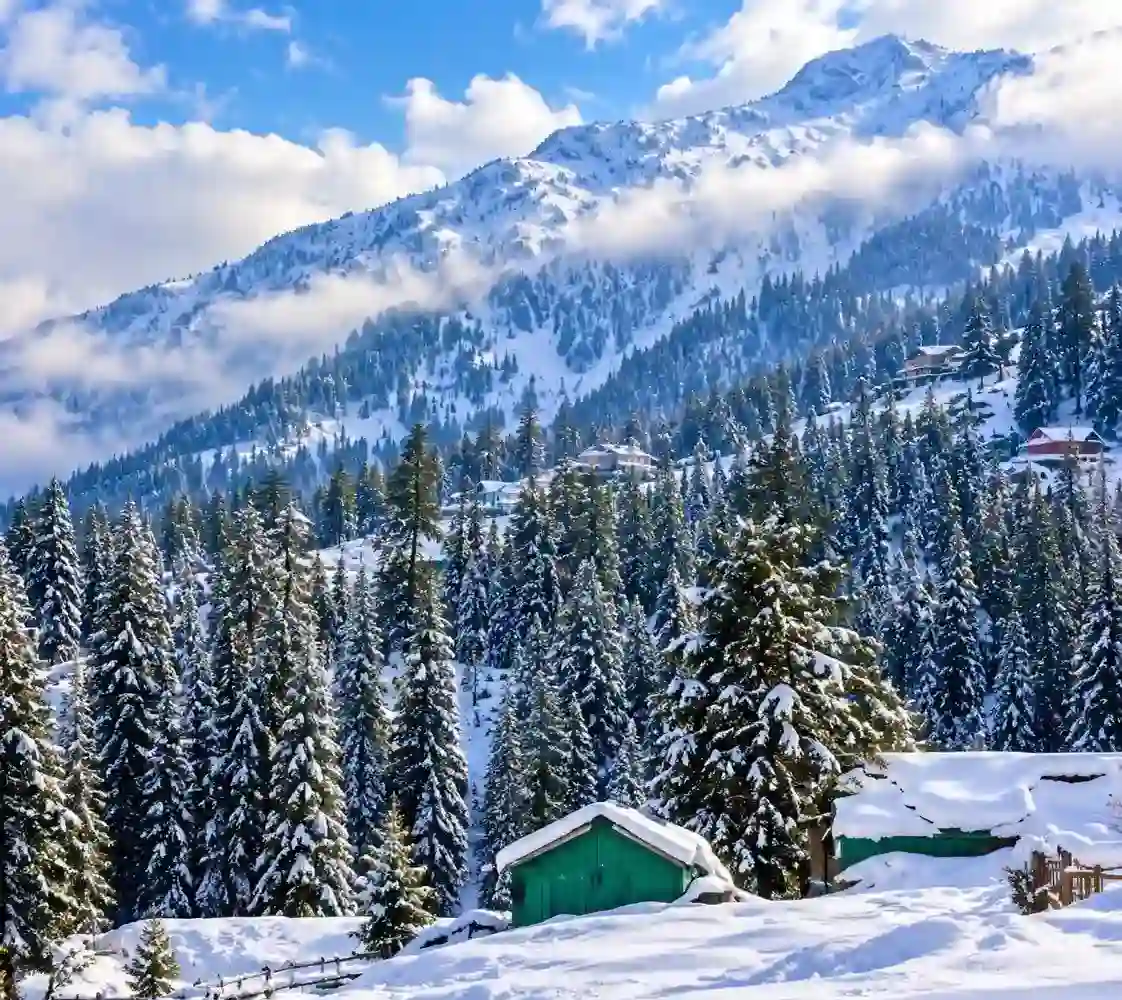
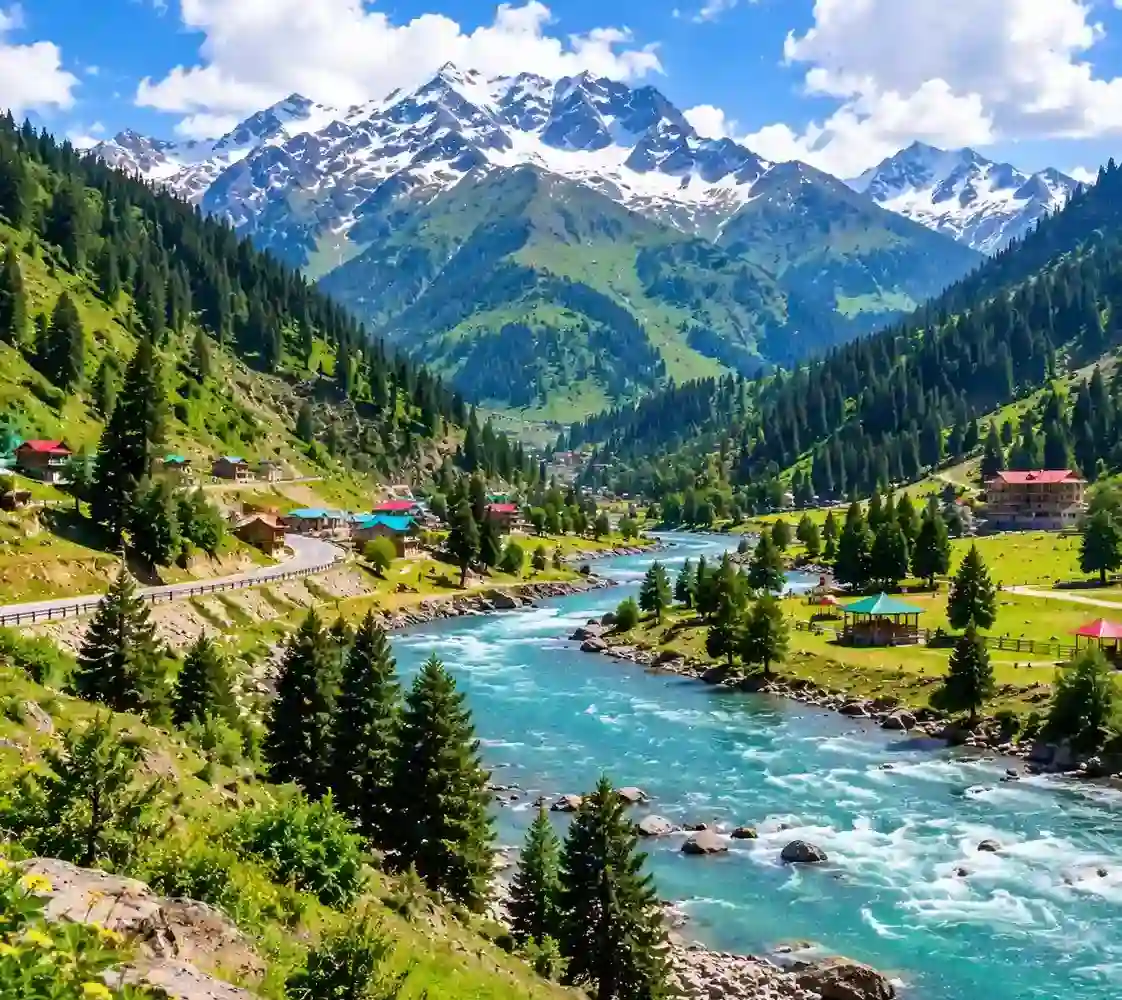
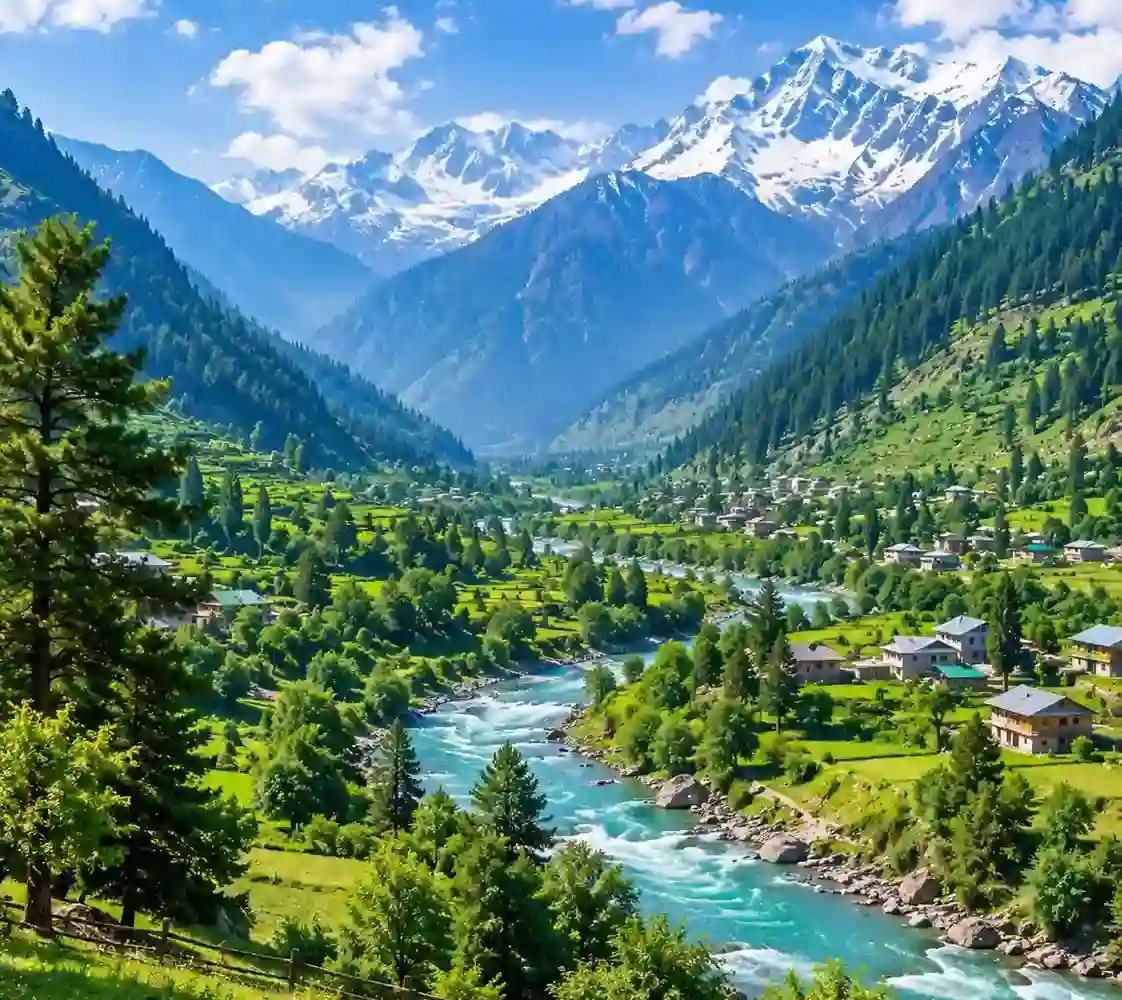
Swat is known for its combination of natural scenery and cultural history. Its landscapes range from river valleys and forested slopes to higher mountain areas.
The region's heritage also extends beyond natural attractions. Archaeological sites and museum collections document different historical periods, including Buddhist traditions associated with the wider Gandharan region.
- Mountain landscapes: Forested hills, rivers, waterfalls and higher valleys around Kalam.
- Outdoor destinations: Malam Jabba and the wider mountain region are associated with seasonal recreation.
- Archaeological heritage: Buddhist remains and other historic sites document Swat's past.
- Museums: Swat Museum holds archaeological objects from the district.
- Architectural heritage: The White Palace at Marghazar is associated with the former rulers of Swat.
- Regional food: Traditional dishes, grilled foods, trout and local produce contribute to Swat's food culture.
2. Best Places to Know in Swat
These destinations are recognised highlights in tourism and cultural information about Swat. Access, opening hours, security arrangements and seasonal conditions may vary. Confirm current requirements before considering a visit.
Kalam Valley
Kalam is a well-known mountain town in upper Swat, associated with forested slopes, rivers and nearby highland destinations. It is a starting point for exploring parts of the upper valley when conditions permit.
Mountain scenery and forestsMalam Jabba
Malam Jabba is a mountain resort area associated with seasonal recreational activities and winter sports. Operating arrangements, weather, access and available activities can change, so verify information with the relevant operator before planning.
Mountain resortMahodand Lake
Mahodand Lake lies in the wider Kalam region and is associated with mountain scenery and seasonal natural beauty. The route can be affected by weather and road conditions. Confirm whether access is possible before making any plans.
Alpine lake landscapeSwat Museum
Located between Mingora and Saidu Sharif, Swat Museum houses archaeological objects from the district, including important artefacts associated with Buddhist history. Check the museum's current opening arrangements and visitor requirements.
Archaeology and cultural heritageWhite Palace, Marghazar
Known locally as Sufed Mahal, the White Palace is a historic building associated with the former Wali of Swat. Its architectural character and mountain setting make it one of the region's recognised heritage attractions.
Historic architectureUshu Forest
Ushu Forest is associated with the forested landscape above Kalam. Its tree-lined surroundings and mountain environment appeal to nature enthusiasts. Check access, weather and the condition of any intended walking route.
Forest sceneryMatiltan Valley
Matiltan is part of the wider upper Swat landscape and is associated with mountain views, rivers and rural settlements. Roads and paths may be affected by seasonal conditions.
Mountain valleyBahrain
Bahrain is a town in the Swat region known for its riverside setting and position along routes towards upper valley destinations. It is also associated with local markets and roadside food stops.
Riverside settlementMadyan
Madyan is a settlement along the Swat River corridor. Its riverside setting and location between lower Swat and upper mountain areas give it an important role in regional travel routes.
River valley and local marketsMingora
Mingora is one of Swat's principal urban centres. It provides access to commercial services and serves as a base for learning about the region's modern daily life and local markets.
Regional urban centreSaidu Sharif
Saidu Sharif is an important administrative and cultural centre near Mingora. It is associated with Swat Museum and the region's modern history. Check site access and official local arrangements before any visit.
History and museumsGabin Jabba
Gabin Jabba is a mountain destination in the wider Swat region, associated with green meadows and elevated landscapes. Road access, weather and walking conditions must be checked before planning an excursion.
Meadows and mountain landscapeShingardar Stupa
Shingardar Stupa is among the Buddhist archaeological remains associated with the wider Swat region. It offers historical context for the area's ancient religious and cultural heritage. Respect conservation restrictions and avoid damaging archaeological remains.
Buddhist archaeological heritageUtror and Gabral Region
The Utror and Gabral areas are associated with upper Swat's rural and mountain landscapes. Access may be difficult when weather conditions deteriorate. Any future excursion requires suitable local information and road planning.
Upper valley landscapes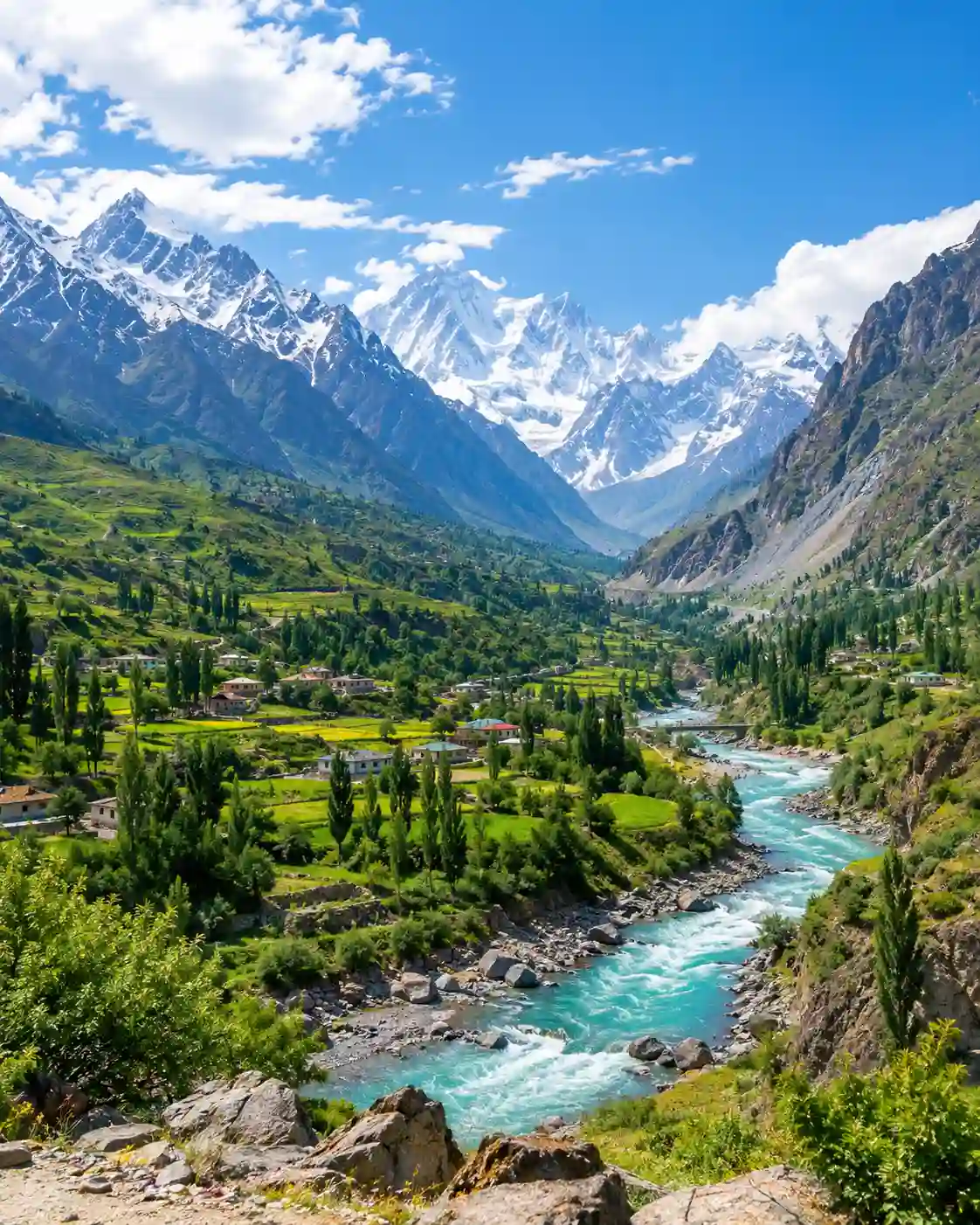
The Government of Pakistan's tourism material lists Malam Jabba, Bahrain, Kalam, Mahodand Lake, White Palace and Swat Museum among Swat's recognised attractions. The official Swat Museum page explains the museum's archaeological collection, while the Swat Police district information page also documents regional landmarks.
This destination list is for educational and future planning purposes. It should not be interpreted as a recommendation to visit Swat contrary to an applicable all-travel warning.
3. Best Time to Visit Swat Valley
Swat's weather varies with elevation and season. Lower valley towns can have very different conditions from upper mountain locations such as Kalam and Mahodand Lake.
March–April: Spring
Spring brings changing temperatures and seasonal growth in the lower valleys. Higher roads may still be affected by snow or cold conditions.
May–June: Early Summer
Conditions may become more suitable for selected lower-valley activities. Always confirm conditions on the exact route being considered.
July–August: Summer
Many travellers traditionally consider this period for greener landscapes and higher valleys. Rain, landslides, flooding or other disruptions can still occur.
September–October: Autumn
Cooler temperatures and changing foliage can bring a different landscape. Higher areas may become colder quickly.
November–February: Winter
Snow, cold weather and icy roads can affect access, especially at higher elevations. Seasonal facilities and activities may change their operating schedules.
Mountain Weather
Conditions can change quickly in elevated areas. Check current forecasts, road closures and local instructions before considering any permitted trip.
These are general seasonal patterns, not a live forecast. For weather information, consult the Pakistan Meteorological Department.
Suitable weather does not override security advice. Do not travel to Swat in violation of an applicable official warning.
4. How to Reach and Explore Swat
Travellers traditionally reach Swat by road from other parts of Pakistan, with Mingora serving as an important regional centre. Journeys towards Kalam and other mountain destinations continue along valley roads.
Transport availability does not mean that a journey is currently recommended. Confirm security restrictions, road conditions and local instructions before arranging any travel.
By Road
Road travel has historically been a common way to reach Swat from cities such as Islamabad and Peshawar. Journey times vary with traffic, roadworks, weather and the intended destination.
Because Swat is currently listed by the UK FCDO under its all-travel warning, do not rely on ordinary travel itineraries or commercial tour listings as evidence that a journey is advisable.
Local Transport
In normal circumstances, travellers might consider private vehicles, taxis or local drivers for journeys between towns and mountain attractions. Availability, route restrictions and travel conditions must be confirmed for the specific date and area.
Driving in Mountain Areas
Upper-valley roads can involve steep sections, narrow passages and changing weather. Road conditions can deteriorate quickly during heavy rain, snowfall or landslides.
Transport Planning Checklist
- Read the current official advisory for Swat and the intended route.
- Confirm that travel is permitted before making bookings.
- Verify road access and current weather conditions.
- Use reputable transport providers for any journey that is permitted.
- Avoid night driving on unfamiliar mountain roads.
- Allow flexibility for weather-related delays and unexpected closures.
5. Where to Stay in Swat
Swat's accommodation landscape includes hotels, guesthouses and smaller lodges in different towns and mountain locations. Amenities and availability vary by area and season.
The following descriptions are for future planning and comparison only. Do not make a non-essential tourist booking in Swat contrary to current official travel advice.
Mingora
As a major urban centre, Mingora has historically provided access to shops and regional services. Verify exact property details and current local conditions.
Saidu Sharif
Saidu Sharif is associated with museums, public institutions and cultural landmarks. Accommodation should be assessed according to the purpose of travel and current guidance.
Kalam
The upper-valley setting has been associated with mountain guesthouses and seasonal tourism. Facilities, access and heating can vary substantially.
Malam Jabba Area
Accommodation has been offered around the mountain resort area, but operating arrangements may change. Confirm directly with official providers when travel is permitted.
For future trips, compare recent reviews, cancellation policies, heating, transport access, food arrangements and communication options. Ask accommodation providers about current official restrictions rather than relying only on an online reservation system.
6. Local Culture and Heritage
Swat's cultural history combines regional traditions, Pashtun communities, traditional crafts and the archaeological legacy of earlier periods. Pashto is widely spoken across the district, while Urdu is also used in many settings.
Historic buildings, archaeological collections and religious sites provide ways to learn about the area's cultural development. Swat Museum is an important institution for understanding the archaeology of the district.
Respectful Cultural Practices
- Dress modestly: Choose respectful clothing for villages and religious locations.
- Ask before photographing: Seek permission before taking portraits or photographing private property.
- Respect archaeological sites: Do not touch, move or damage ancient objects and structures.
- Respect local rules: Follow instructions from authorised site staff and local authorities.
- Support local crafts: Where travel is permitted, consider buying appropriate locally made products.
- Protect nature: Keep natural areas free of litter and avoid disturbing wildlife.
The official Swat Museum page describes a collection of objects from archaeological sites across Swat, spanning a long period of the region's history.
7. What to Eat in Swat
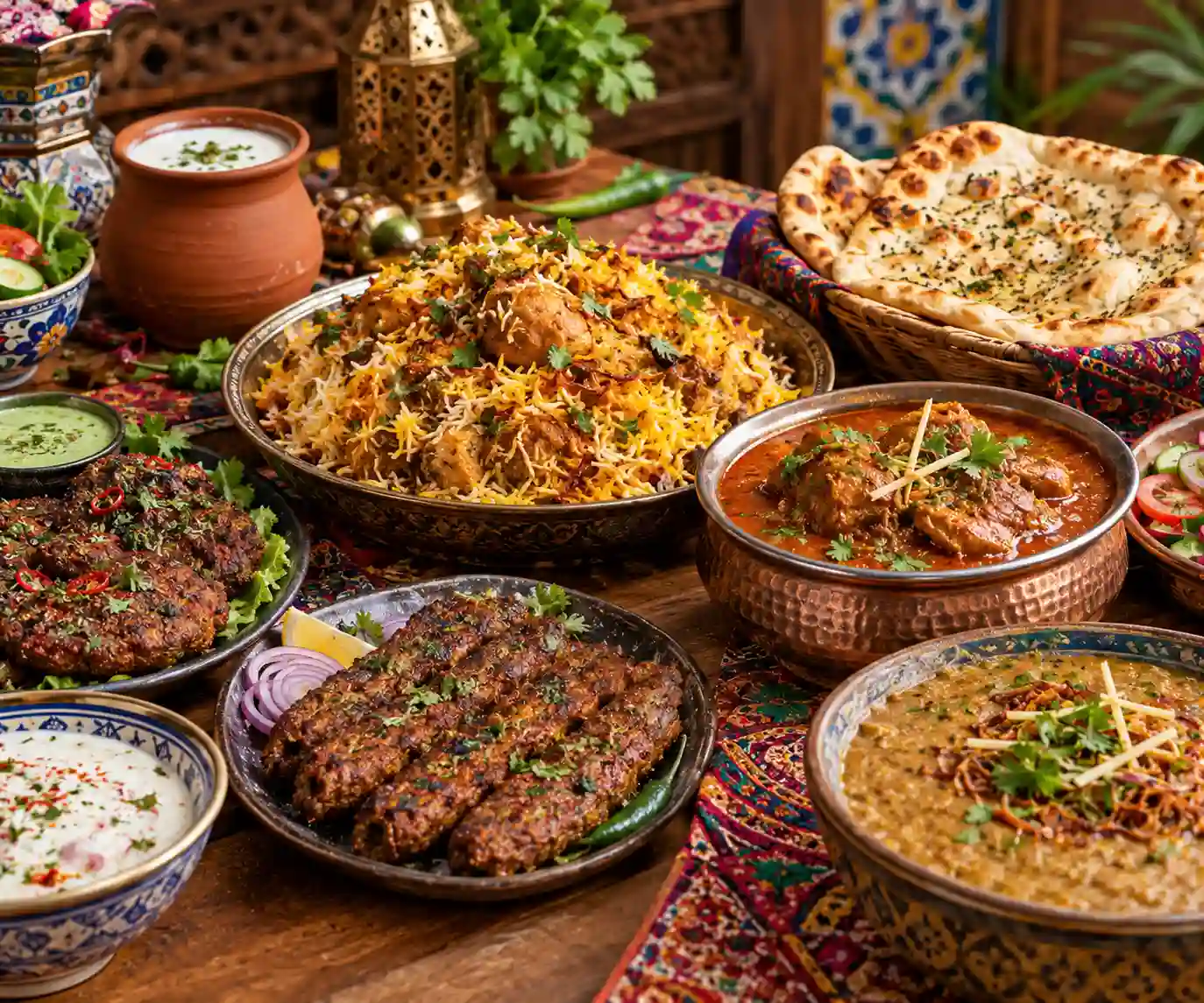
Swat's food culture reflects local Pashtun traditions and the wider cuisine of Khyber Pakhtunkhwa. Restaurants and households offer a range of meat dishes, breads, rice, vegetables and seasonal produce.
Chapli Kebab
A well-known Khyber Pakhtunkhwa speciality made from seasoned minced meat. Recipes and spice levels vary between cooks.
Karahi
Meat karahi is a popular dish across the region. It is generally prepared with tomatoes and spices, with variations in seasoning and preparation.
Fresh Trout
Trout is associated with some northern valley menus. Availability depends on the season and the restaurant.
Roti and Naan
Traditional breads are common accompaniments to meat, vegetable and lentil dishes.
Rice Dishes
Rice meals can be found in restaurants serving regional and broader Pakistani cuisine.
Tea and Local Snacks
Tea shops and roadside eateries are part of the region's everyday food culture. Choose reputable vendors.
Food Safety Tips
- Choose clean, reputable eateries with good food-handling practices.
- Prefer freshly cooked food served hot.
- Use sealed bottled water from a reliable supplier or appropriately treated drinking water.
- Ask about ingredients if you have allergies or dietary restrictions.
- Pack snacks for longer excursions where services may be limited.
For food traditions from across Pakistan, read our Pakistani Food Guide.
8. A Sample Four-Day Swat Itinerary
This is a future-planning example for a journey that is permitted under the traveller's applicable official advice. The UK's current all-travel warning for Swat district takes precedence over this sample itinerary.
Understand Swat's Urban and Cultural Heritage
Morning: If a future visit is permitted and the museum is open, start with Swat Museum to learn about the district's archaeological history.
Afternoon: Consider suitable cultural sites in the wider Mingora and Saidu Sharif area, subject to opening arrangements.
Evening: Review current information and confirm the next day's plans with suitable local sources.
Explore Historic Architecture
Morning: If access is authorised, consider the White Palace at Marghazar. Confirm its opening and visitor arrangements before planning.
Afternoon: Learn about the regional history and architecture through appropriate heritage sites that are open and permitted to visitors.
Evening: Return using confirmed transport and follow local instructions.
Consider the Mountain Landscape
Morning: A future trip might include travel toward Kalam, but only if official advice and road conditions permit.
Afternoon: Depending on access and weather, visitors may consider appropriate viewpoints or forest landscapes.
Evening: Recheck weather and road conditions before any return journey.
Plan Around Seasonal Access
Option A: A future itinerary may include Malam Jabba if the resort is operating and travel is permitted.
Option B: If weather, transport or access restrictions make the excursion unsuitable, change the plan rather than continuing into unsafe conditions.
Departure: Confirm transport and leave adequate flexibility for disruption.
This itinerary is not a current travel recommendation. Do not undertake a non-essential tourism visit while an applicable official all-travel warning for Swat remains in place.
9. Swat Travel Budget
The cost of a Swat trip depends on accommodation, transport, meal preferences, trip length and seasonal activities. Prices can vary between towns, resorts and providers.
Before any permitted future journey, prepare a budget using current accommodation quotes, transport fares and the latest activity charges.
- Accommodation: Compare nightly rates, taxes, heating, meals and cancellation arrangements.
- Transport: Include transfer costs and journeys between towns and higher valleys.
- Food: Budget for meals, drinks, snacks and dietary needs.
- Activities: Confirm applicable charges for museums, resorts and organised excursions.
- Contingency: Reserve funds for road disruption, alternative accommodation or changed travel dates.
- Insurance: Check exclusions related to official travel warnings and planned activities.
Our Pakistan Travel Cost Guide provides broader budget-planning information.
10. What to Pack for Swat
Swat's weather varies with elevation, season and the specific destination. Prepare your packing list around the actual forecast and intended activities.
- Layered clothing: Pack breathable clothes and warm layers suitable for changing conditions.
- Footwear: Use comfortable shoes appropriate for the terrain and walking conditions.
- Weather protection: Bring suitable rain protection when indicated by the forecast.
- Sun protection: Pack sunscreen, sunglasses and a hat.
- Drinking water: Plan access to sealed or appropriately treated water.
- Personal medication: Carry essential medication and keep it stored according to its requirements.
- Travel documents: Keep identification, insurance information and booking details secure.
- Connectivity: Keep important contacts and addresses available offline.
Read our Pakistan Packing Guide for more general preparation tips.
11. Safety and Official Travel Advice
Current official security guidance is essential when researching Swat. The UK FCDO currently advises against all travel to Swat district and it describes significant security risks in parts of Khyber Pakhtunkhwa.
The warning is not cancelled by good weather, accommodation availability or an advertised sightseeing tour. Before making plans, read the latest advisory from your own government and consider the consequences for transport, insurance and personal security.
Before Any Future Journey
- Check the latest official Pakistan travel advisory.
- Review the specific regional warning for Swat.
- Verify any official restrictions affecting your intended route.
- Check insurance exclusions linked to travel warnings.
- Confirm access arrangements with relevant authorities before any permitted visit to a heritage site or resort.
- Be willing to postpone non-essential travel when official advice recommends against it.
If You Are Already in the Region
- Follow instructions issued by local authorities.
- Avoid demonstrations, political gatherings and areas affected by security incidents.
- Monitor reliable updates on road access and local conditions.
- Keep essential documents and emergency contacts available.
- Contact local emergency services or your consular assistance service if you require urgent help.
Official Resources
Consult the FCDO Pakistan regional risk guidance and its safety and security information for current advice.
Travel conditions change. This guide does not guarantee safety or access and should not be used to override official advice.
12. Frequently Asked Questions
What is Swat Valley famous for?
Swat is known for forested valleys, rivers, mountain scenery, Malam Jabba, Kalam and archaeological heritage.
Where is Swat Valley located?
Swat is a district in Khyber Pakhtunkhwa, northwestern Pakistan. Mingora and Saidu Sharif are important urban centres in the region.
What can visitors see at Swat Museum?
Swat Museum has archaeological objects from sites across the district, including artefacts associated with Buddhist history. Confirm opening arrangements and access requirements directly with the museum or responsible department.
What is the White Palace in Swat?
White Palace, also known as Sufed Mahal, is a historic building associated with the former Wali of Swat. It is located at Marghazar.
When is the best season for Kalam and Mahodand Lake?
Warmer months are traditionally considered for many upper-valley excursions, but access depends on weather and road conditions. Check the forecast and current official guidance.
Can international visitors travel to Swat now?
As checked on 17 October 2026, the UK FCDO advises against all travel to Swat district. Travellers must review the latest guidance from their own government before deciding whether to travel.
Is Malam Jabba a winter destination?
Malam Jabba is associated with seasonal mountain recreation and winter sports. Current operating arrangements, weather and security conditions must be checked with relevant providers and authorities.
What food is Swat known for?
Regional menus may include chapli kebab, karahi, grilled meat, fresh trout and traditional breads. Dishes and availability vary by restaurant and location.
How many days should I allow for Swat?
A future three-to-five-day itinerary could cover selected lower-valley attractions and some higher destinations. The actual plan depends on official travel advice, access and road conditions.
Which official website should I check before travel?
Start with the official travel advisory issued by your government. You can also consult the Pakistan Meteorological Department for weather and the relevant archaeology department for heritage information.
13. Official Travel and Heritage Resources
These sources can help readers verify security guidance, weather information and historical details. Current official advice should always take precedence over general destination material.