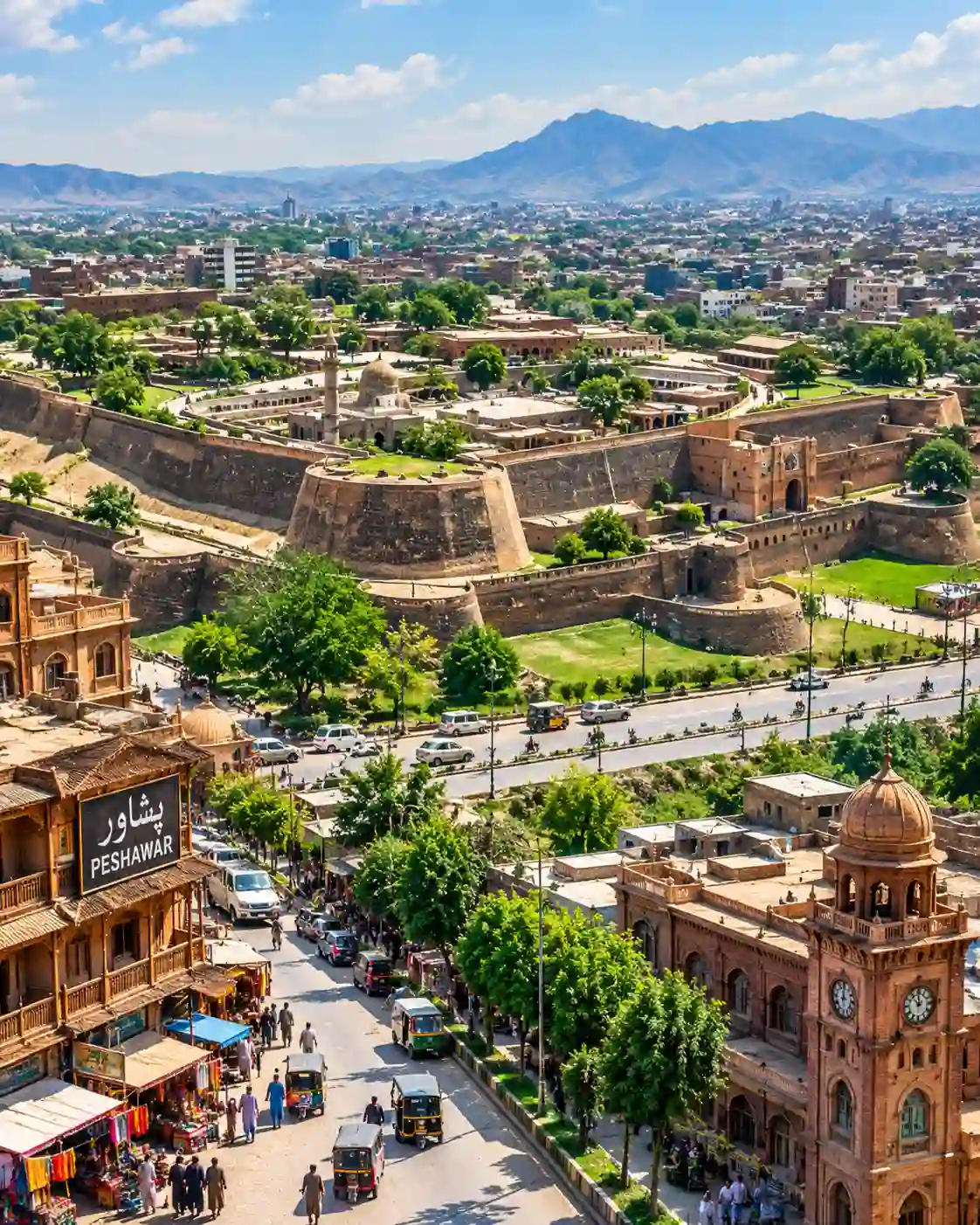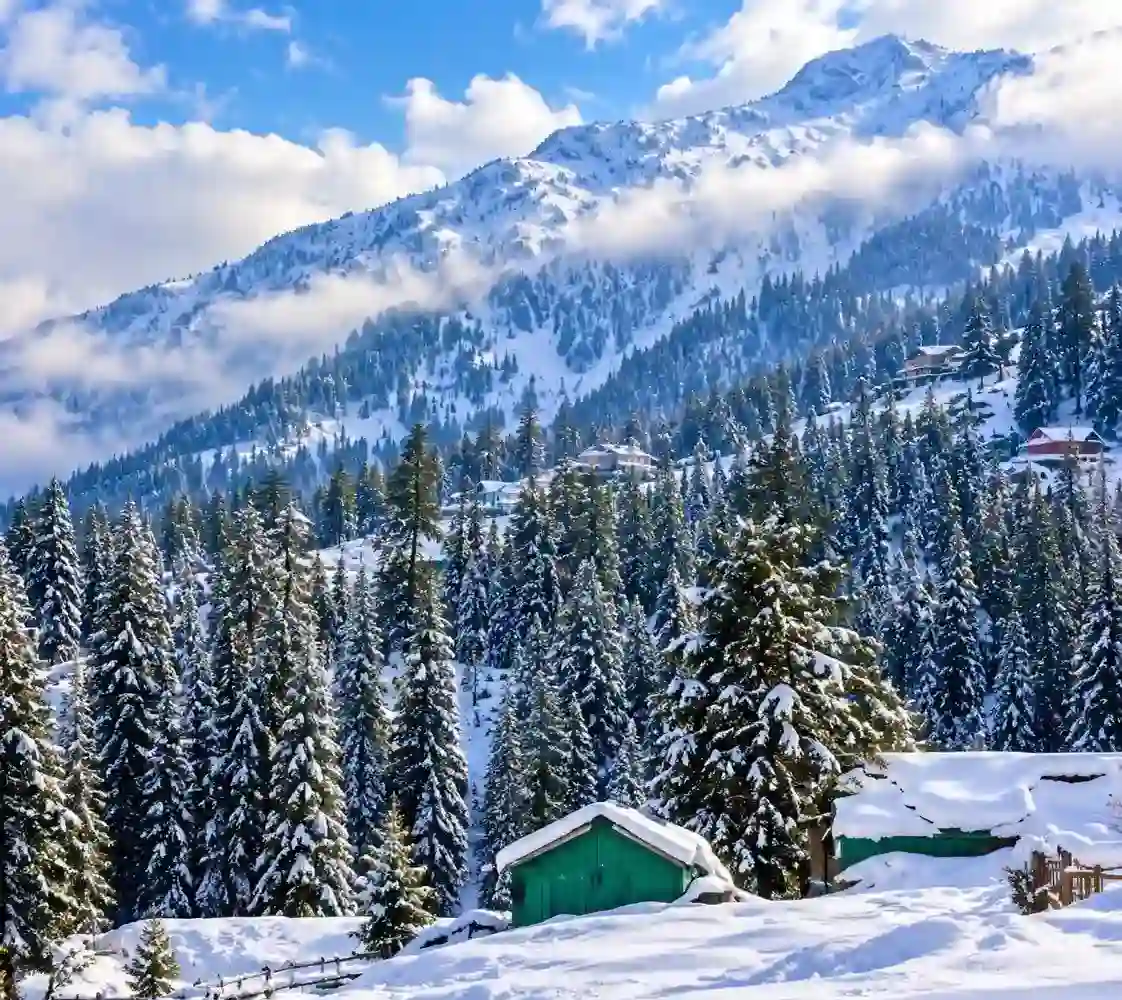
1. Why Visit Naran Kaghan?
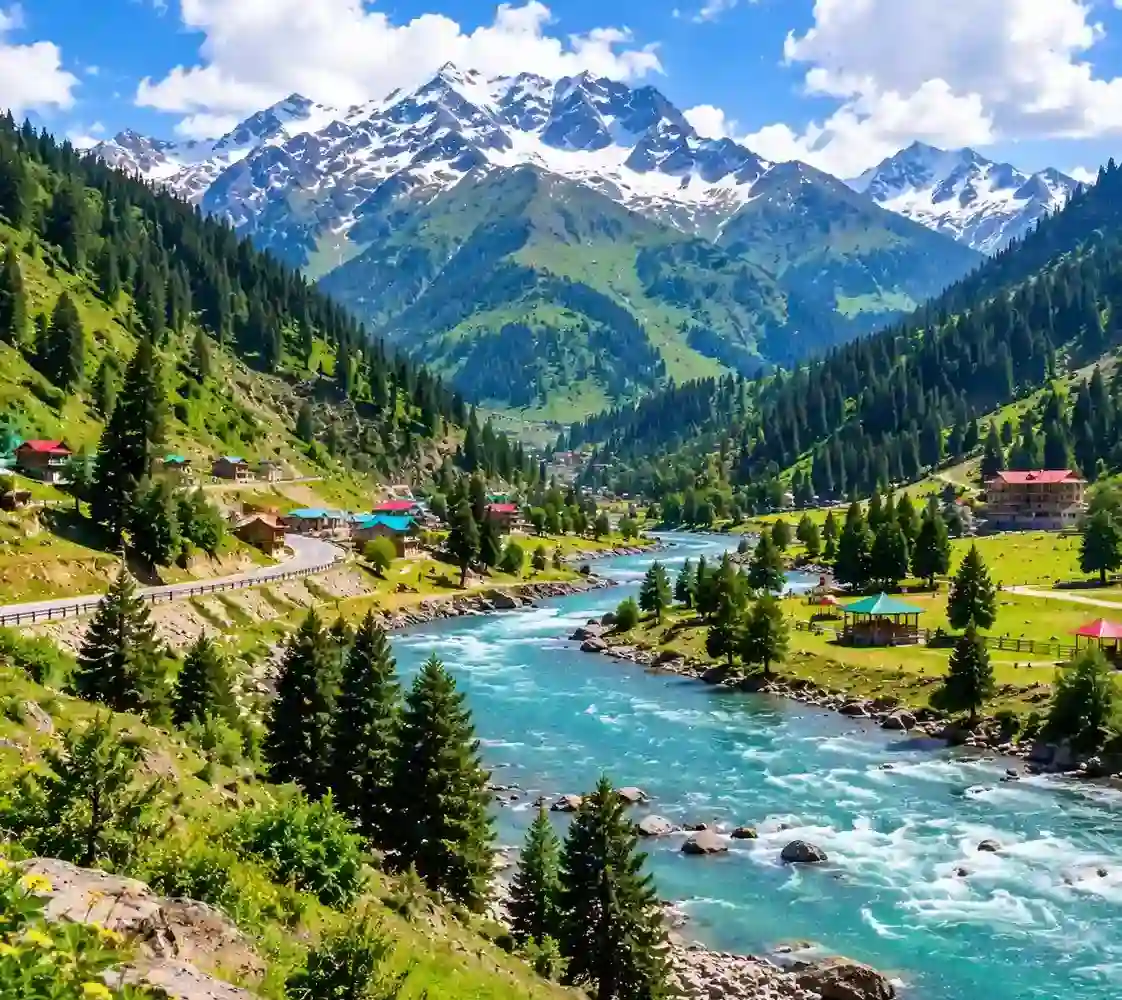
Naran Kaghan offers a different mountain experience from the high Karakoram landscapes of northern Gilgit-Baltistan. Its character includes pine forests, a fast-flowing river, grassy slopes, waterfalls and lakes surrounded by Himalayan mountain scenery.
The region is especially interesting for visitors who enjoy scenic drives, lake viewpoints, photography, traditional mountain food and outdoor activities suited to their experience and the conditions.
- Alpine lakes: Lake Saif-ul-Malook and Lulusar Lake are recognised regional highlights.
- Mountain passes: Babusar Top provides a high-altitude viewpoint when the route is open.
- Green meadows: Shogran and Siri Paye are associated with open meadows and mountain scenery.
- River landscapes: The Kunhar River runs through much of the valley and shapes its distinctive scenery.
- Outdoor experiences: The wider region offers hiking, scenic photography and certain organised activities when conditions are suitable.
- Local food: Traditional Pakistani meals, grilled foods, trout and roadside tea are common themes of the visitor experience.
2. Best Places to Visit in Naran Kaghan
The following attractions are well-known parts of the Kaghan Valley travel landscape. Actual access varies by season and route. Confirm conditions before arranging any excursion.
Lake Saif-ul-Malook
One of the best-known lakes in the region, Saif-ul-Malook is surrounded by dramatic mountain slopes, with Malika Parbat among the striking peaks associated with its setting. The journey from Naran may involve a rough mountain track and locally arranged transport.
Alpine lake and mountain viewsBabusar Top
Babusar Top is a high mountain pass connecting the upper Kaghan Valley with routes towards Chilas. Its landscape changes from green valley scenery to exposed high mountain terrain. Access is seasonal and may be restricted by snowfall or other conditions.
High-altitude mountain passLulusar Lake
Lulusar Lake lies in the upper Kaghan region and is associated with the source of the Kunhar River system. Its elongated shape and mountain backdrop make it a memorable roadside stop when access permits.
Scenic mountain lakeShogran
Shogran is a plateau known for its forested setting and mountain views. Travellers have traditionally used it as a quieter alternative to busy Naran, though accommodation and road access depend on conditions.
Forests and mountain scenerySiri Paye Meadows
Siri Paye is associated with open meadows, grassy slopes and views towards surrounding mountains. The rough uphill track may require a locally arranged jeep or suitable vehicle.
Meadows and viewpointsKiwai Waterfall
Kiwai is a familiar stop along the approach towards the Kaghan region. Its waterfall is located beside the road corridor, making it a natural place to pause where stopping is safe and permitted.
Waterfall and roadside stopKunhar River
The Kunhar River shapes the landscape through much of the valley. Its clear, fast-flowing water and surrounding greenery are familiar features of the Kaghan journey. Water conditions can be dangerous, so remain well away from unsafe banks.
River sceneryNaran Town
Naran is a main accommodation and transport centre in the upper valley. Hotels, food outlets and local transport services make it a practical starting point for planning selected excursions.
Visitor base and local servicesKaghan Town
Kaghan is a settlement in the valley that carries its name. It offers a quieter regional setting compared with the busier upper visitor centre of Naran.
Valley settlementBatakundi
Batakundi is situated farther up the valley beyond Naran. It is associated with mountain scenery and routes towards upper valley destinations. Conditions on the onward road should be confirmed before travel.
Upper valley landscapesLalazar Meadows
Lalazar is associated with grassy mountain meadows and views across the valley. Access may involve a rough side track and locally arranged transport. Confirm current road and weather conditions.
Meadows and sceneryDudipatsar Lake
Dudipatsar is a remote alpine lake in the wider Lulusar-Dudipatsar National Park area. Reaching it generally involves a substantial walk or trek, rather than an ordinary roadside stop. It requires careful planning, suitable fitness and local route information.
Remote alpine lake and trekkingAnsoo Lake
Ansoo Lake is a high-altitude trekking destination associated with the Malika Parbat area. The route can be long and physically demanding, with weather, snow and navigation challenges. It is not suitable as an easy add-on to a standard sightseeing itinerary.
Challenging mountain trekBalakot
Balakot is an important town on the approach to Kaghan Valley. It is a useful point to understand the transition from the Hazara region into the Kunhar River valley and the surrounding mountain landscape.
Gateway to the valley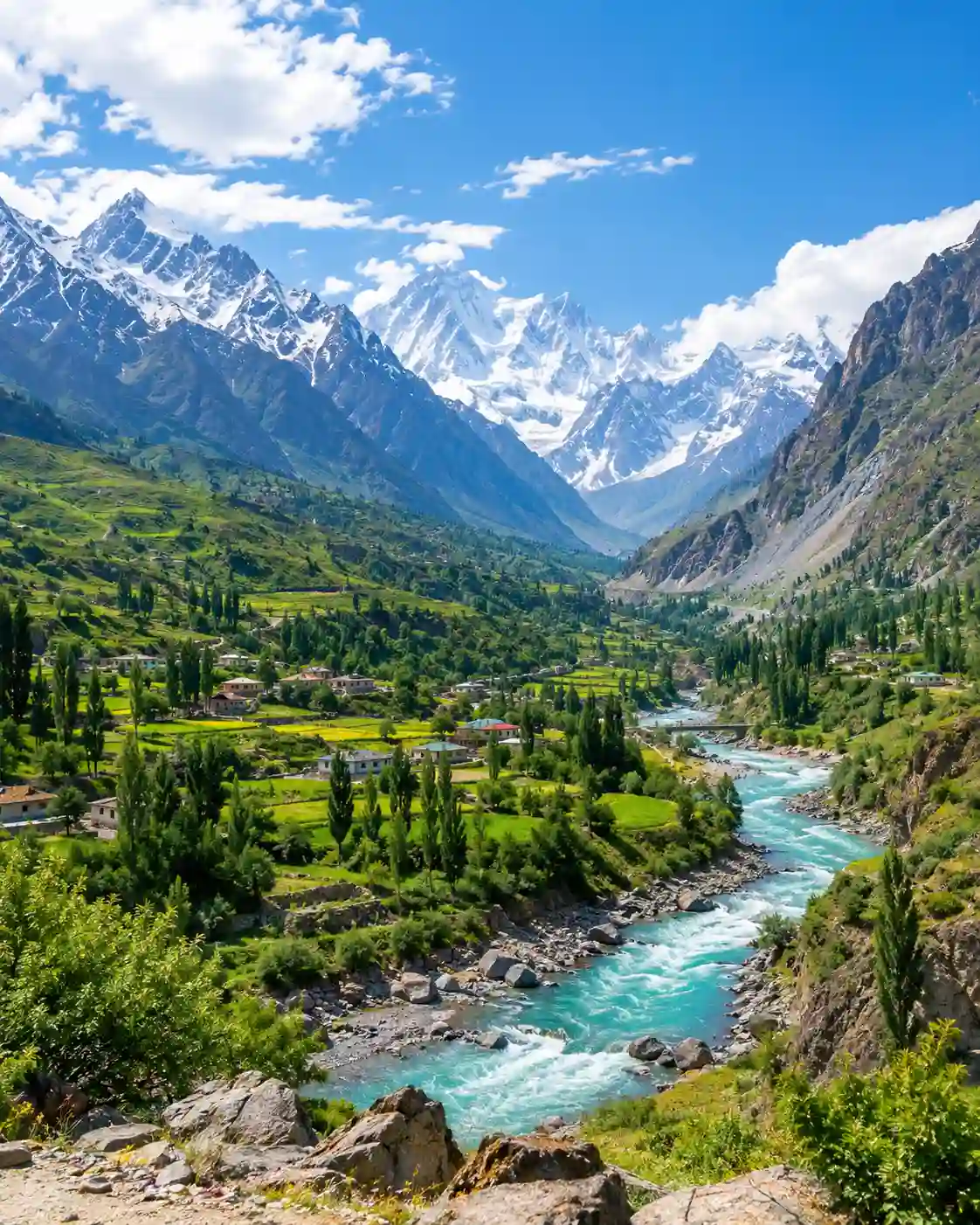
The official Pakistan tourism publication Kaghan: Land of Fairy Tales provides background on the valley, its destinations, seasonal road access and accommodation. Check current local conditions separately because published brochures may not reflect present-day road status.
3. Best Time to Visit Naran Kaghan
The useful question is not just which season has the best weather, but which roads and attractions are actually accessible during your travel dates.
March–April: Early Spring
Lower areas may begin warming up, but snow can still affect the upper valley and high-altitude routes. Do not assume Naran, Saif-ul-Malook or Babusar is accessible simply because lower areas are clear.
May: Seasonal Transition
Road-opening work and snow clearance may determine which places can be reached. Check whether the road to Naran and the separate jeep tracks are open.
June–August: Summer
Summer is traditionally the main travel season for many destinations in the valley. Traffic, heavy rain and landslides can still disrupt journeys.
September: Autumn Transition
September can offer cooler weather and changing colours. Babusar Top may be open during part of the month, but snowfall or other closures can alter plans quickly.
October: Changing Access
Temperatures fall and higher routes may become less reliable. Check the status of individual roads and accommodation before booking.
November–February: Winter
Snow, cold weather and road restrictions can affect access to the upper valley. Some facilities may close or alter their operating arrangements.
These are general seasonal patterns, not a live road report. Consult the Pakistan Meteorological Department and verify road access with the relevant local authorities before any journey.
4. How to Reach Naran Kaghan
Most journeys into Kaghan Valley use the road network through Mansehra and Balakot, then follow the Kunhar River towards Kaghan and Naran. The journey from Islamabad can take several hours, with actual time strongly affected by the starting point, traffic, season and road conditions.
By Road from Islamabad or Rawalpindi
Travellers normally head through the Hazara region towards Mansehra and Balakot, then continue north through the Kaghan Valley. Allow substantial time for road congestion, planned stops and possible delays.
During busy summer periods, the road through the valley can become congested. Starting early may help with scheduling, but it does not remove the need to check road conditions and official instructions.
Public Transport
Public transport options may be available to towns such as Mansehra and Balakot, with onward services varying by season and operator. Confirm schedules, ticket availability and the final connection before booking accommodation.
Local Jeeps and 4x4 Vehicles
Side tracks towards destinations such as Saif-ul-Malook, Siri Paye and Lalazar can be rough or affected by seasonal conditions. Local jeep or suitable vehicle hire may be required. Confirm route access, vehicle suitability, total fare and waiting arrangements before departure.
Babusar Top and the Northern Route
Babusar Top is a seasonal pass. When open, it may connect the upper Kaghan route with the Chilas area. Its status can change because of snowfall or other conditions. When the pass is closed, a northern road itinerary may need to change substantially.
Road Travel Checklist
- Confirm the main road to Naran is open.
- Check the separate access status for Saif-ul-Malook, Siri Paye and Lalazar.
- Verify Babusar Top's status independently before planning a crossing.
- Use a suitable vehicle and experienced local driver for rough side tracks.
- Avoid mountain road travel at night where visibility or road conditions make it unsafe.
- Keep fuel, water, essential supplies and extra time in your plan.
- Follow official instructions and do not continue through a closed or restricted route.
5. Where to Stay in Naran Kaghan
Accommodation ranges from hotels in Naran to smaller guesthouses in other valley settlements and lodges in mountain areas. Availability, heating, amenities and prices vary with the season.
Naran
A practical base for visitors researching Saif-ul-Malook, Lulusar and Babusar. It generally offers more tourism services than smaller settlements. Check the exact hotel location and likely noise levels before booking.
Kaghan
Kaghan may appeal to travellers looking for a quieter settlement along the valley. Confirm available accommodation, meal arrangements and onward transport.
Shogran
Shogran is associated with pine forests and a mountain plateau. Some properties offer views of the surrounding landscape. Verify the access road, vehicle arrangements and seasonal availability.
Balakot
Balakot may be useful for an overnight stop before continuing into the valley, especially when road conditions or arrival time make a longer first-day drive unsuitable.
Before booking, check recent reviews, cancellation conditions, heating, hot water, meals, parking, mobile connectivity and the hotel's current operating status. Ask about refunds or date changes if a road closure prevents arrival.
6. Local Culture and Valley Life
Kaghan Valley's communities have a distinctive mountain culture shaped by geography, agriculture, livestock, local trade and the seasonal flow of visitors. The area forms part of the broader cultural diversity of Khyber Pakhtunkhwa.
Visitors may encounter traditional food, local markets, small roadside businesses and family-run accommodation. Respectful interactions and responsible visitor behaviour help support local communities.
Responsible Travel Practices
- Dress respectfully: Choose practical clothing that suits the weather and local customs.
- Ask before photographing: Seek permission before taking close-up portraits or photographs of private property.
- Respect local land: Do not enter fields, orchards or private property without permission.
- Support local businesses: Where travel is permitted, consider local accommodation, food and transport services.
- Protect the river and lakes: Do not throw rubbish into the water or leave waste along the road.
- Respect wildlife: Avoid disturbing animals or approaching unsafe terrain for photographs.
7. What to Eat in Naran Kaghan
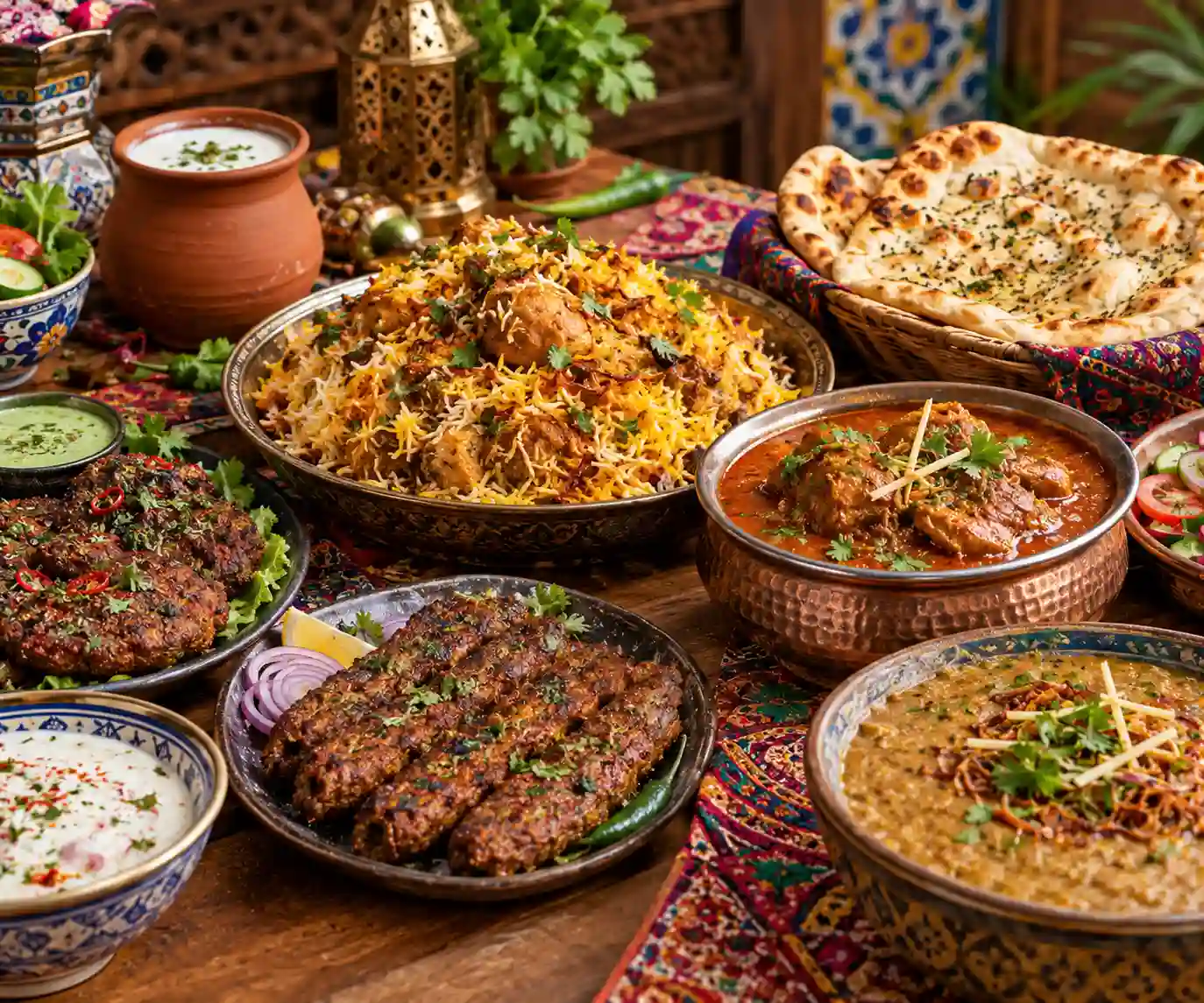
Local food experiences are part of the Kaghan Valley journey. Visitors will commonly find familiar Pakistani dishes, grilled meals, breads, tea and selected trout preparations. Menus and availability vary by location and season.
Fresh Trout
Trout is associated with the wider northern region and appears on some valley menus. Availability varies, so check the restaurant's current offering.
Pakistani Barbecue
Grilled meat, kebabs and other barbecue dishes are common menu choices. Pick reputable establishments where food is cooked thoroughly.
Karahi and Curry
Restaurant meals may include chicken or meat karahi, traditional curries and lentil dishes. Spice levels and preparation methods differ.
Roti and Naan
Fresh bread is a familiar part of Pakistani dining and accompanies many meat, lentil and vegetable dishes.
Tea and Snacks
Tea shops and roadside eateries offer places to rest during a journey. Choose clean, reputable vendors.
Seasonal Local Produce
Fruit and other locally available produce may vary with harvest seasons and location. Ask local sellers about what is in season.
Food Safety Tips
- Choose clean restaurants and food stalls with good hygiene.
- Prefer freshly cooked food served hot.
- Drink sealed bottled water from a reliable source or appropriately treated water.
- Tell staff about allergies and ask about ingredients.
- Carry snacks for longer excursions where food options may be limited.
Discover more regional dishes in our Pakistani Food Guide.
8. A Sample Four-Day Naran Kaghan Itinerary
This is a planning example, not a guarantee that every road or attraction will be open. Adjust the itinerary according to official advice, weather, road status and actual access arrangements.
Travel Through Balakot and Kiwai
Morning: Begin the journey only after confirming the road is open and travel is permitted. Allow extra time for congestion.
Midday: If conditions permit a safe stop, consider Kiwai's roadside waterfall area before continuing through the valley.
Afternoon: Continue towards your confirmed accommodation in an appropriate valley settlement.
Evening: Check the following day's weather and confirm transport arrangements for any side trips.
Explore Naran's Best-Known Lake
Morning: Consider Saif-ul-Malook only if the access track is open and the excursion complies with current advice.
Transport: Use an appropriate vehicle and confirm the total fare, waiting time and return arrangements before departure.
Afternoon: Allow time to return without rushing. Avoid approaching unsafe water or unstable snow and rock areas.
Plan for Lulusar Lake and Babusar Top
Morning: If the road to the upper valley is open, consider travelling towards Batakundi and Lulusar Lake.
Afternoon: Babusar Top may be a suitable addition only if authorities have confirmed access and weather conditions are suitable.
Alternative: If the pass or road is closed, do not attempt to bypass the closure. Change the plan or return to your accommodation.
Discover Forests and Mountain Meadows
Morning: If access is permitted, consider the Shogran area and arrange suitable local transport for onward travel where required.
Afternoon: Siri Paye may be a future option if the track is open and the vehicle and weather conditions are suitable.
Departure: Confirm onward transport and leave enough time for the journey back.
Trip-planning note: This itinerary includes attractions in different parts of the valley and may be too ambitious when roads are busy or conditions are poor. Choose a realistic route rather than trying to visit every attraction in four days.
9. Hiking, Boating and Outdoor Activities
The Kaghan region offers outdoor experiences ranging from simple roadside viewpoints to challenging high-altitude treks. Activity difficulty and risk vary substantially between destinations.
Lake Visits and Boating
Boating may be offered at selected lakes when facilities and conditions allow. Use authorised operators, follow safety instructions and wear a properly fitted life jacket. Never assume water is safe for swimming because it looks clear.
Jeep Excursions
Some attractions can involve rough mountain tracks. Agree the route, fare, waiting time and return plan with the operator before setting out. Do not use vehicles unsuitable for the road.
Trekking to Remote Lakes
Dudipatsar and Ansoo Lake should not be treated as easy additions to a road trip. These routes may involve significant walking, elevation gain, snow, changing visibility and navigation challenges.
Consider remote treks only with suitable fitness, proper equipment and reliable route information. Use experienced local guidance where appropriate and do not trek alone in remote terrain.
Outdoor Safety Checklist
- Check weather and road conditions before departure.
- Confirm access, necessary permissions and any activity restrictions.
- Carry suitable clothing, drinking water and essential medication.
- Stay away from fast-flowing water, unstable banks and unsafe snow or glacier areas.
- Use reputable activity providers and appropriate safety equipment.
- Turn back when weather or conditions deteriorate.
10. Naran Kaghan Travel Budget
The cost of a trip depends on season, group size, transport, accommodation and selected activities. Prices can rise during busy holiday periods, when demand is high.
Rather than relying on a fixed budget figure, obtain current quotes from accommodation providers and transport operators.
- Transport: Include the main journey, local transfers and any hired jeeps.
- Accommodation: Check the full nightly rate, cancellation policy, heating and meal arrangements.
- Food: Budget for daily meals, drinks and snacks.
- Activities: Confirm current prices and operating arrangements for boating, organised excursions or other activities.
- Travel contingency: Keep reserve money for extra accommodation, route changes or delayed transport.
- Insurance: Check coverage for hiking, high-altitude activities and any relevant travel advisories.
For broader travel costs across Pakistan, see our Pakistan Travel Cost Guide.
11. What to Pack for Naran Kaghan
Even during the warmer months, mountain weather can change quickly. Prepare for differences in temperature, rain and the conditions of your planned route.
- Layered clothing: Pack breathable clothing, warm layers and suitable outerwear.
- Comfortable footwear: Choose shoes appropriate for the terrain and planned activity.
- Rain protection: Carry an appropriate waterproof jacket when the forecast indicates rain.
- Sun protection: Bring sunscreen, sunglasses and a hat.
- Drinking water: Plan access to sealed bottled or appropriately treated water.
- Personal medicines: Keep essential medicines and supplies accessible.
- Documents: Carry identification, accommodation details, insurance information and relevant permits.
- Power and connectivity: Carry chargers and a suitable power bank. Save important information offline.
- Emergency supplies: For longer permitted journeys, plan appropriate food, warm clothing and essential emergency items.
Our Pakistan Packing Guide provides more general preparation advice.
12. Safety, Road Closures and Weather
Safety in the Kaghan region involves more than checking a forecast. Heavy rain, landslides, flooding, snow and road congestion can affect journeys. Rivers and high-altitude terrain also present natural hazards.
The region is within Khyber Pakhtunkhwa, where official travel advice varies by district and route. Check the latest guidance from your own government and review any warnings applicable to your exact journey.
Before You Travel
- Review current official travel advisories.
- Confirm that the road to your destination is open.
- Check forecasts, heavy-rain warnings and landslide information.
- Verify the status of each side track separately from the main road.
- Confirm accommodation and transport bookings and cancellation terms.
- Avoid driving through closed roads or floodwater.
- Make a flexible plan that allows you to turn back or postpone a trip.
While in the Valley
- Follow local authority instructions and road closure notices.
- Stay away from dangerous river banks and fast-flowing water.
- Do not stop vehicles in unsafe locations for photographs.
- Use reputable drivers for rough mountain tracks.
- Keep emergency contacts and travel documents accessible.
- Avoid continuing into deteriorating weather or darkness when conditions make the journey unsafe.
Official Sources to Check
For forecast and weather warnings, consult the Pakistan Meteorological Department. The official Kaghan tourism booklet provides background on seasonal access, while the latest regional travel guidance should be checked before departure.
This article does not guarantee safety or road access. Current official warnings, road closures and local authority instructions take precedence over the itinerary in this guide.
13. Frequently Asked Questions
Where are Naran and Kaghan Valley located?
Naran and Kaghan are in Mansehra District, Khyber Pakhtunkhwa, northern Pakistan. The valley follows the Kunhar River through mountain settlements and scenic landscapes.
How many days should I spend in Naran Kaghan?
Three to five days can provide time for selected lakes, meadows and mountain viewpoints. The right duration depends on road access, weather and how many places you plan to include.
When does Naran usually open for summer travel?
Seasonal access depends on snow clearance and road conditions. Official tourism material describes the main upper-valley road as seasonal. Confirm the current opening arrangements rather than relying on a fixed date.
Is Lake Saif-ul-Malook accessible by car?
The route from Naran can involve a rough mountain track. Suitable local transport may be needed. Confirm current track conditions and vehicle suitability before departure.
When does Babusar Top open?
Babusar Top is a seasonal mountain pass whose opening depends on snowfall, clearance and local road conditions. Do not rely on an expected calendar window without confirming the actual status.
Can I visit Lulusar Lake in the same trip?
Lulusar Lake is commonly considered as part of an upper-valley itinerary when the road is open. Check the condition of the onward route and allow enough time for the return journey.
Is Siri Paye suitable for a family trip?
Siri Paye's suitability depends on weather, the access track, transport arrangements and each traveller's needs. Confirm current conditions and use an appropriate vehicle where required.
Can beginners trek to Dudipatsar or Ansoo Lake?
These are more demanding journeys than ordinary roadside sightseeing. Research the route, fitness requirements and weather and use suitable local guidance. Do not undertake a remote trek without appropriate preparation.
What food should I try in Naran Kaghan?
Visitors commonly find trout, grilled dishes, karahi, traditional breads, tea and other Pakistani meals. Menus and availability vary by season and location.
Can I rely on mobile signals throughout the valley?
Mobile coverage and data availability can vary between settlements and remote destinations. Download essential maps, save important addresses offline and inform a trusted contact of your travel arrangements.
14. Official Tourism and Travel Resources
Use official websites to check weather conditions, regional travel advice and information about the Kaghan Valley. Opening arrangements and road access can change after an article is published.